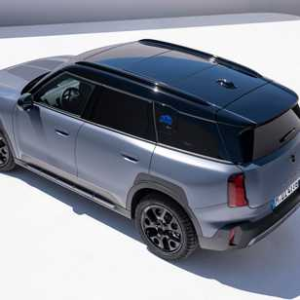


The best luxury electric SUV in 2026 is no longer simply the EV with the biggest battery or the highest horsepower figure. Today’s luxury buyers can choose from long-range flagships, sophisticated family haulers, high-performance models and rugged three-row SUVs—and each one defines luxury differently.
The Lucid Gravity stands out for exceptional range and charging performance, the Cadillac Escalade IQ brings full-size American luxury into the electric era, the BMW iX offers one of the most balanced driving experiences, while the Rivian R1S combines premium technology with genuine off-road capability. Meanwhile, the Mercedes-Benz EQS SUV focuses on traditional luxury and comfort, and the Porsche Cayenne Electric targets drivers who want performance above almost everything else.
That makes choosing the right luxury EV more complicated—and more interesting—than it was only a few years ago. Range, charging speed, interior quality, seating capacity, driving dynamics, ownership costs and brand support can all change which model makes the most sense.
Here is our detailed comparison of the best luxury electric SUV choices for 2026, using available manufacturer information, EPA figures where available and independent automotive research.
Best Luxury Electric SUVs in 2026: Quick Comparison
Before looking at each vehicle individually, the table below provides a quick overview of the leading models covered in this guide. Prices are approximate U.S. starting prices before destination charges, taxes, registration, options and dealer fees. Range can vary according to configuration, wheels, tires, battery and seating layout.
| Luxury Electric SUV | Approx. Starting Price | Maximum Stated Range | Seating | Best For |
|---|---|---|---|---|
| Lucid Gravity Touring | $79,900 | Up to 337 miles | 5 / available 3-row | Range and efficiency |
| Lucid Gravity Grand Touring | $94,900 | Up to 450 miles | 5 in 450-mile configuration | Long-distance travel |
| Cadillac Escalade IQ | $127,405 | Up to 465 miles* | Large SUV layout | Full-size luxury |
| BMW iX xDrive45 | Verify current pricing | Up to 312 miles | 5 | Comfort and efficiency |
| BMW iX xDrive60 | Verify current pricing | Up to 340 miles | 5 | Best all-round balance |
| Mercedes-Benz EQS 400 4MATIC SUV | About $89,950 | Up to 312 miles | 5 | Traditional luxury |
| Rivian R1S Dual Large | About $83,990 | About 329 miles | 3 rows | Family and adventure |
| Rivian R1S Dual Max | Trim dependent | Up to 410 miles | 3 rows | Range and towing |
| Porsche Cayenne Electric | $109,000 | EPA figure to verify | 5 | Driving performance |
*Cadillac’s figure is a manufacturer estimate, while the Lucid figure cited above is EPA-estimated for the applicable configuration. These numbers should not be treated as directly equivalent.
Our Picks for the Best Luxury Electric SUV in 2026
There is no single electric SUV that is perfect for every luxury buyer. Instead, the strongest choices separate themselves by what they do best.
- Lucid Gravity Grand Touring — Best for maximum range
- BMW iX xDrive60 — Best luxury all-rounder
- Cadillac Escalade IQ — Best full-size luxury EV
- Mercedes-Benz EQS SUV — Best traditional luxury experience
- Rivian R1S — Best three-row adventure SUV
- Porsche Cayenne Electric — Best for driving enthusiasts
1. Lucid Gravity: Best Luxury Electric SUV for Range
If long-distance range is your primary consideration, the Lucid Gravity is one of the easiest vehicles to recommend. The Gravity Grand Touring can deliver up to 450 miles of EPA-estimated range in a specific two-row, five-seat configuration.
That number places the Gravity in a rare position. Many luxury EV buyers still worry about stopping frequently on road trips, but the Gravity’s combination of efficiency, battery capacity and aerodynamic design directly addresses that concern.
The entry-level Gravity Touring is also significant because it starts at approximately $79,900 and offers up to 337 miles in its qualifying configuration. That gives buyers access to a premium electric SUV without immediately entering six-figure territory.
Why the Lucid Gravity stands out
- Up to 450 miles of EPA-estimated range in the Grand Touring configuration.
- Up to 400 kW of peak DC fast-charging capability.
- Lucid claims as much as 200 miles of added range in less than 11 minutes under specified conditions.
- Available five-seat and three-row configurations.
- Highly aerodynamic design focused on efficiency.
- Strong performance without sacrificing long-distance capability.
There is also a new performance-oriented Gravity GT-S, which Lucid introduced for late-2026 availability at a starting price of $125,900. The company projects 373 miles of range for the GT-S.
The biggest caveat is that the headline 450-mile figure depends on configuration. Larger wheels, different tires, passenger loads, weather and high-speed driving can all reduce real-world range. Lucid also has a smaller service and retail network than established luxury brands such as BMW, Mercedes-Benz and Cadillac.
2. Cadillac Escalade IQ: Best Full-Size Luxury Electric SUV
The Cadillac Escalade has long represented American automotive excess, and the Escalade IQ takes that formula into the EV era.
Starting at approximately $127,405, the Escalade IQ is considerably more expensive than the entry-level Lucid Gravity or Rivian R1S. But its mission is different. Cadillac is targeting buyers who want a large, imposing luxury SUV with substantial interior space, advanced technology and a prestigious badge.
Cadillac advertises up to 465 miles of estimated range, along with as much as 750 horsepower and a claimed 0-to-60-mph time of approximately 4.7 seconds in the appropriate configuration.
Escalade IQ highlights
- Manufacturer-estimated range of up to 465 miles.
- Up to 750 horsepower.
- Up to 785 lb-ft of torque in the high-performance setting.
- Large passenger and cargo areas.
- High-end materials and extensive digital technology.
- Cadillac says suitable charging conditions can add approximately 100 miles in 10 minutes.
For families moving from a gasoline-powered Escalade, the IQ may feel like the most natural transition to electric power. It retains the large-SUV philosophy while eliminating the traditional engine.
The trade-off is physical size. A vehicle this large can be difficult to maneuver and park in dense urban environments, while its weight and large wheels can negatively affect efficiency. Buyers should also remember that Cadillac’s 465-mile figure is a manufacturer estimate rather than the final EPA figure cited for the Lucid Gravity.
3. BMW iX: Best Luxury Electric SUV All-Rounder
The BMW iX may not have the Gravity’s headline range or the Escalade IQ’s imposing size, but it could be the smartest choice for buyers who want balance.
The 2026 iX lineup includes the xDrive45, xDrive60 and high-performance iX M70 xDrive. BMW lists maximum ranges of up to 312 miles for the xDrive45, 340 miles for the xDrive60 and approximately 302 miles for the M70.
The xDrive60 is particularly compelling because it combines a competitive range with the qualities that have traditionally made BMW attractive to luxury buyers: a refined cabin, comfortable ride and responsive handling.
BMW iX strengths
- Up to 340 miles of range in xDrive60 form.
- All-wheel drive across the lineup.
- Quiet and comfortable cabin.
- Strong ride and handling balance.
- Premium interior materials and technology.
- Established dealer and service network.
The M70 takes performance to another level with up to 650 horsepower, but the additional performance comes with a range compromise.
For many shoppers, however, the iX’s biggest advantage is not a single specification. It is how well the vehicle performs across multiple categories. If you commute during the week, travel on the highway at weekends and want a premium driving experience every day, the iX is a compelling answer to the question of which best luxury electric SUV makes the most sense overall.
4. Mercedes-Benz EQS SUV: Best for Traditional Luxury
The Mercedes-Benz EQS SUV approaches electric luxury differently. Instead of making range or off-road ability the centerpiece, it emphasizes comfort, quietness, refinement and technology.
The 2026 EQS SUV uses a 118-kWh battery pack. The EQS 400 4MATIC is reported at up to 312 miles of range, while the 536-horsepower EQS 550 4MATIC reaches up to 317 miles.
This is the electric SUV for buyers who associate luxury with a quiet cabin, soft ride, premium seating and sophisticated technology rather than aggressive styling or extreme performance.
Why consider the EQS SUV?
- Extremely quiet and comfortable cabin.
- Premium materials and fit and finish.
- Smooth and effortless acceleration.
- Advanced digital displays and cabin technology.
- Strong highway cruising ability.
Its weakness is value. With a relatively high price compared with its range, the EQS SUV is not the obvious choice for shoppers focused on miles per dollar. It is also a two-row SUV, which makes the Rivian R1S, Lucid Gravity and Escalade IQ more appealing for buyers who regularly carry larger families.
In other words, the Mercedes-Benz makes the most sense when the definition of luxury begins with comfort rather than maximum range.
5. Rivian R1S: Best Three-Row Luxury Electric SUV for Adventure
The Rivian R1S does not follow the traditional luxury-SUV formula. It is more rugged and adventure-oriented than the Mercedes-Benz EQS SUV, but its premium pricing, advanced technology, powerful electric motors and upscale cabin put it firmly in the premium electric SUV conversation.
The biggest advantage is versatility. The R1S offers three rows, all-wheel drive and genuine off-road hardware, making it one of the strongest options for families who want an electric SUV that can leave the pavement.
The Dual Large version is rated at approximately 329 miles, while the Dual Max can reach up to 410 miles depending on configuration.
Rivian R1S advantages
- Three-row seating.
- Standard all-wheel drive.
- Strong towing capability.
- Excellent ground clearance and off-road hardware.
- Long-range battery options.
- Distinctive adventure-focused design.
The R1S also demonstrates why comparing electric SUVs solely by their model name can be misleading. A Dual Standard can occupy a very different price and range category from a high-output Quad. Battery size, motors and wheel choices can substantially change both performance and range.
For buyers who spend weekends towing, camping or traveling on rough roads, the R1S may be a better choice than a more traditional luxury crossover—even if its cabin ambience is not quite as serene as the Mercedes-Benz EQS SUV.
6. Porsche Cayenne Electric: Best for Performance
The Porsche Cayenne Electric is aimed at a different buyer: someone who wants an electric SUV but does not want to sacrifice driving excitement.
Porsche lists the 2026 Cayenne Electric at a starting MSRP of $109,000, while the Cayenne Turbo Electric starts at $163,000, before the applicable delivery, processing and handling fee.
Unlike some competitors, Porsche’s strongest selling point is not simply battery capacity or maximum range. The Cayenne name carries a performance-oriented identity, and the electric version is designed around steering response, chassis control, acceleration and road manners.
Who should buy the Cayenne Electric?
The Porsche is particularly attractive to drivers who enjoy driving and consider an SUV a performance vehicle rather than simply a practical family machine.
- Performance-focused chassis engineering.
- Premium interior and extensive customization.
- Strong Porsche brand identity.
- High-performance Turbo Electric variant.
- Five-seat configuration.
The downside is obvious: price. Options can add tens of thousands of dollars, while larger wheels and performance tires can negatively affect range. Final EPA range and charging figures should also be verified before making a purchase decision.
How We Rank the Best Luxury Electric SUVs
Ranking luxury EVs is more complicated than simply sorting vehicles by range. A 450-mile SUV is not automatically better than a 340-mile SUV if the latter delivers better comfort, driving dynamics or ownership support for a particular buyer.
For this comparison, several factors matter:
- Range: How far the SUV can travel on a charge under its applicable testing or manufacturer estimate.
- Charging: Peak charging capability and the ability to add meaningful range quickly.
- Luxury: Materials, seats, noise isolation, ride quality and cabin technology.
- Performance: Acceleration, handling and power delivery.
- Practicality: Seating, cargo space, towing and all-weather capability.
- Ownership: Service availability, tires, insurance, depreciation and charging access.
- Value: What the buyer receives for the price rather than simply the lowest MSRP.
Luxury EV Range: Why the EPA Number Isn’t Everything
Range is one of the most important specifications when shopping for an electric SUV, but buyers should avoid treating the EPA number as a guarantee of real-world highway mileage.
High-speed driving, cold temperatures, heavy cargo, passengers, towing, aggressive acceleration and large wheels can all reduce range. A vehicle rated for 400 miles may therefore require more frequent charging on a winter highway trip than the number on its window sticker suggests.
Configuration also matters. The Lucid Gravity’s 450-mile rating, for example, is tied to a particular two-row configuration. Similarly, Rivian’s range varies significantly depending on battery, drivetrain and wheel selection.
The best way to compare the best luxury electric SUV options is therefore to use EPA range as a standardized benchmark while also considering independent road tests and actual charging-route performance.
Charging Speed Can Matter More Than Range
Consider two hypothetical SUVs. One can travel 400 miles but takes significantly longer to replenish its battery. Another travels 350 miles but can add a large amount of range during a short coffee stop.
For long-distance drivers, the second vehicle may actually be more convenient.
That is why the Lucid Gravity’s charging capability is particularly important. Lucid cites up to 400 kW of DC fast-charging power for the Grand Touring and says the SUV can add up to 200 miles in less than 11 minutes under specified conditions.
Buyers should also investigate charging-network compatibility before purchasing. It is worth confirming whether the vehicle uses NACS directly, requires an adapter or provides dependable access to a high-power charging network.
What About Luxury EV Ownership Costs?
The purchase price is only one part of the financial equation.
Electric SUVs generally require less routine powertrain maintenance than gasoline vehicles because they do not need oil changes or traditional transmission servicing. However, that does not mean every EV is automatically cheaper to own.
Luxury electric SUVs can have expensive tires, costly body repairs and sophisticated sensors and electronics. Insurance premiums can also be higher because repair costs and vehicle values are often substantial.
Depreciation is another important variable. A buyer comparing a $90,000 EV with a similarly priced gasoline SUV should consider not only the initial price but also expected resale value after three, five or seven years.
Ownership costs to investigate before buying
- Insurance premiums for the exact trim.
- Home-charging installation.
- Public charging costs.
- Tire replacement prices.
- Expected depreciation.
- Service-center availability.
- Out-of-warranty electronic and battery repair costs.
Which Luxury Electric SUV Should You Buy?
Choose the Lucid Gravity if range is your priority
The Gravity is the standout option for buyers who frequently travel long distances and want an EV that minimizes charging stops.
Choose the BMW iX if you want the best balance
The iX xDrive60 is arguably the most rounded choice for someone who values comfort, handling, efficiency, premium materials and established-brand support.
Choose the Escalade IQ if size and prestige matter most
The Escalade IQ makes sense for buyers who want an imposing, spacious American luxury SUV and are comfortable paying a premium for it.
Choose the Mercedes-Benz EQS SUV for traditional luxury
If your definition of luxury starts with a quiet cabin, comfortable seats and a refined ride, the EQS SUV remains highly compelling.
Choose the Rivian R1S for families and adventure
The R1S is the better answer for buyers who need three rows, towing capability and genuine off-road ability.
Choose the Porsche Cayenne Electric for driving enjoyment
If the reason you are shopping for an electric SUV is because you want performance without giving up SUV practicality, the Cayenne Electric deserves serious attention.
Best Luxury Electric SUVs in 2026: Final Verdict
The luxury electric SUV market has reached a point where buyers no longer have to accept a single compromise. There are now vehicles designed around different priorities, from extreme range and rapid charging to traditional comfort, three-row practicality and sports-car-like performance.
For maximum range, the Lucid Gravity Grand Touring is the standout. Its 450-mile EPA-estimated rating in the appropriate configuration gives it an important advantage for long-distance drivers.
The BMW iX xDrive60 is the more balanced recommendation, combining strong range with comfort, handling, cabin quality and established service support.
The Cadillac Escalade IQ is the choice for shoppers who want the largest and most imposing luxury experience, while the Mercedes-Benz EQS SUV remains a strong choice for traditional Mercedes-style refinement.
For adventurous families, the Rivian R1S is difficult to ignore because of its three rows, towing ability and off-road hardware. And for driving enthusiasts, the Porsche Cayenne Electric offers an entirely different interpretation of electric SUV luxury.
Ultimately, the best luxury electric SUV is the one that fits your priorities rather than the one with the longest specification sheet. Buyers should compare the exact trim, wheel configuration, charging capability, real-world range, insurance costs and service availability before signing a purchase agreement.
Frequently Asked Questions
What is the best luxury electric SUV in 2026?
The Lucid Gravity is one of the strongest choices for maximum range and charging performance, while the BMW iX is a better all-around choice for buyers who prioritize comfort, handling, cabin quality and established-brand support. The Cadillac Escalade IQ is better suited to shoppers seeking full-size luxury and space.
Which luxury electric SUV has the longest range?
Among the vehicles covered in this guide, the Cadillac Escalade IQ has a manufacturer-estimated range of up to 465 miles, while the Lucid Gravity Grand Touring has up to 450 miles of EPA-estimated range in a specific two-row configuration. Because the testing and estimation methods differ, these figures should not be treated as directly equivalent.
Which luxury electric SUV charges the fastest?
The Lucid Gravity Grand Touring has the strongest cited charging specification in this comparison, with up to 400 kW of peak DC charging and Lucid’s claim that it can add up to 200 miles in less than 11 minutes under specified conditions.
What is the best three-row luxury electric SUV?
The Rivian R1S is one of the strongest choices for buyers who prioritize three-row seating, towing and off-road capability. The Lucid Gravity and Cadillac Escalade IQ are compelling alternatives for shoppers who place greater emphasis on road-going luxury and interior space.
Is the Mercedes-Benz EQS SUV worth the price?
It can be worthwhile for buyers who prioritize quietness, comfort and traditional Mercedes-Benz luxury. It is less compelling for shoppers primarily interested in maximum range, fast charging or the lowest price-to-range ratio.
Are luxury electric SUVs expensive to insure?
They can be. Insurance costs vary according to the driver, location, insurer and coverage, but high vehicle values, expensive sensors, large wheels and costly body repairs can increase premiums. Buyers should obtain insurance quotes for the exact vehicle and trim before purchasing.
How much real-world range should I expect from a luxury electric SUV?
Real-world range can be lower than the EPA rating during high-speed highway driving, cold weather, towing or heavily loaded trips. EPA range is useful for comparing vehicles under standardized conditions, but independent road tests and charging-route simulations are better tools for planning long trips.
Are luxury electric SUVs cheaper to own than gasoline SUVs?
They can have lower routine maintenance costs because EVs do not require oil changes or conventional transmission servicing. However, depreciation, insurance, tires, charging costs, financing and potential out-of-warranty electronic or battery repairs can offset some of those savings.