BMW is expanding its use of image data from real-world traffic situations in European-market vehicles, saying the information will support the development of driver assistance and partially automated driving functions. The move comes as data privacy remains a growing concern around connected vehicles and onboard monitoring systems.
BMW Focuses on Real-World Driving Data
Data privacy has become an increasingly important issue as more aspects of daily life are tracked, and modern vehicles are part of that trend. Many cars now include some form of tracking or monitoring, while opting out does not always guarantee complete privacy.
Automakers have faced numerous lawsuits involving data collection, while concerns have also emerged over third-party companies purchasing vehicle data. These firms are typically connected to the insurance industry, although there are also concerns about legally purchased data potentially reaching the wrong hands.
EU Rules Require Driver Monitoring
In Europe, buyers of new cars do not have the same ability to opt out of certain monitoring systems. The European Union officially enacted the EU Data Act in September 2025, requiring automakers to have interior-facing driver monitoring systems designed to track drowsiness or distraction.
Event data recorders have already been mandated there since 2022, but interior cameras take vehicle monitoring further. Reactions to the requirements have been mixed, despite safeguards, with the idea of an onboard camera monitoring drivers drawing concerns.
Why BMW Is Collecting Image Data
BMW’s latest announcement for its future models focuses on expanding data collection, specifically image data gathered from real-world traffic situations.
According to the automaker, the purpose is “the continuous development of driver assistance systems and partially-automated driving functions.” BMW says the data can help its advanced driver assistance systems react in a more human and natural way, reducing unnecessary intervention and the chances of startling drivers when a system activates.
The collected information is then used to develop enhancements that owners can receive through over-the-air updates.
BMW Outlines Data Safeguards
BMW says the data will be used strictly for development purposes and collected only when an advanced driver assistance intervention has been activated. The system records situations in which the vehicle experiences an emergency or hard braking maneuver, with the company saying only relevant data from those events will be used.
Before recordings are stored in BMW’s data bank, the vehicle’s VIN is deleted. Faces and license plates are also obscured when playback is considered necessary for review.
BMW says these measures are intended to ensure that the data it collects is not used maliciously.
System Already Available in Several BMW Models
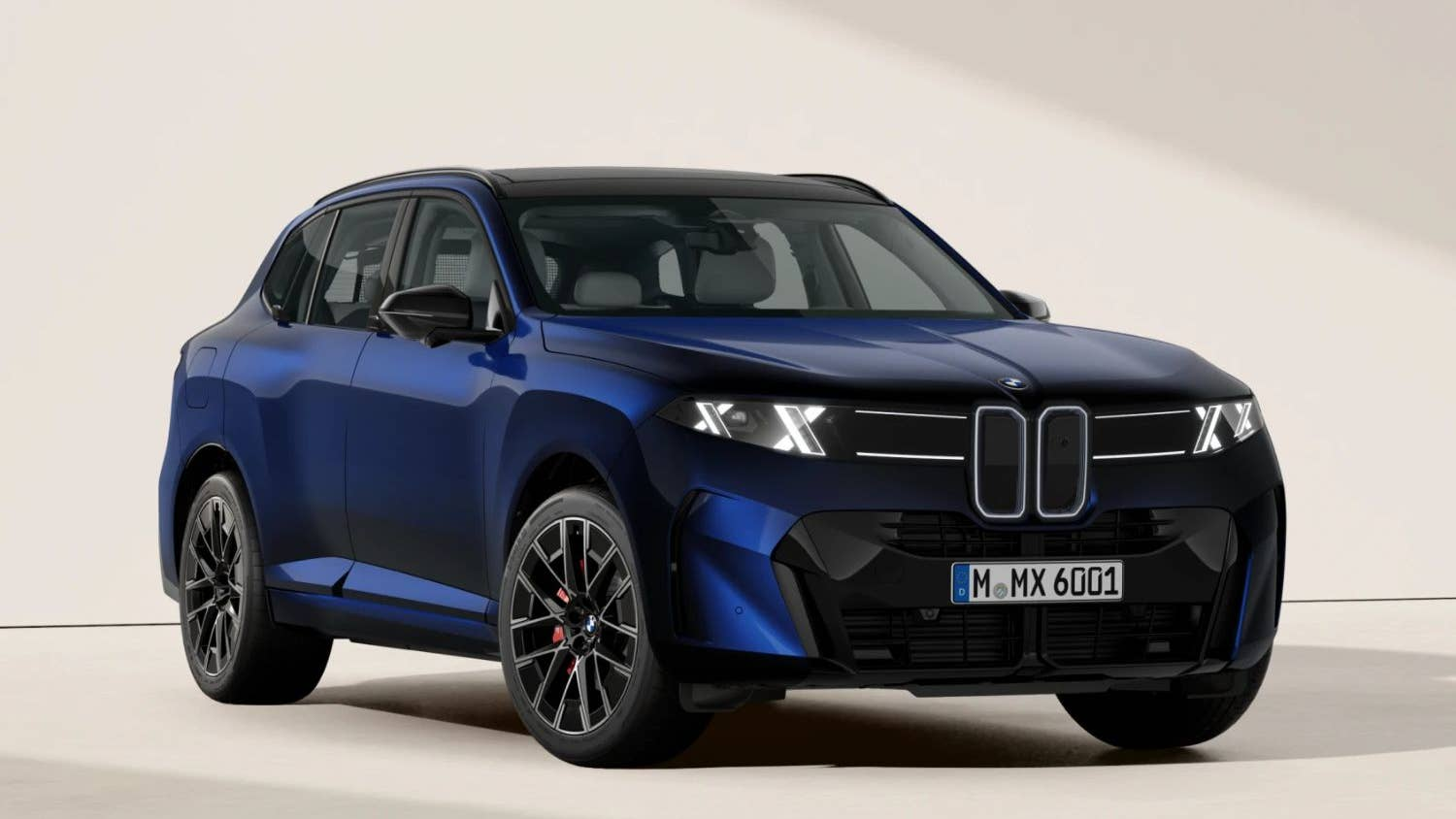
The system is already in place in the BMW iX3 and i3, X5, and 7 Series. BMW plans to eventually extend it across the rest of its lineup.
For now, the system applies to European-market models. When it will be introduced to global models has yet to be determined.