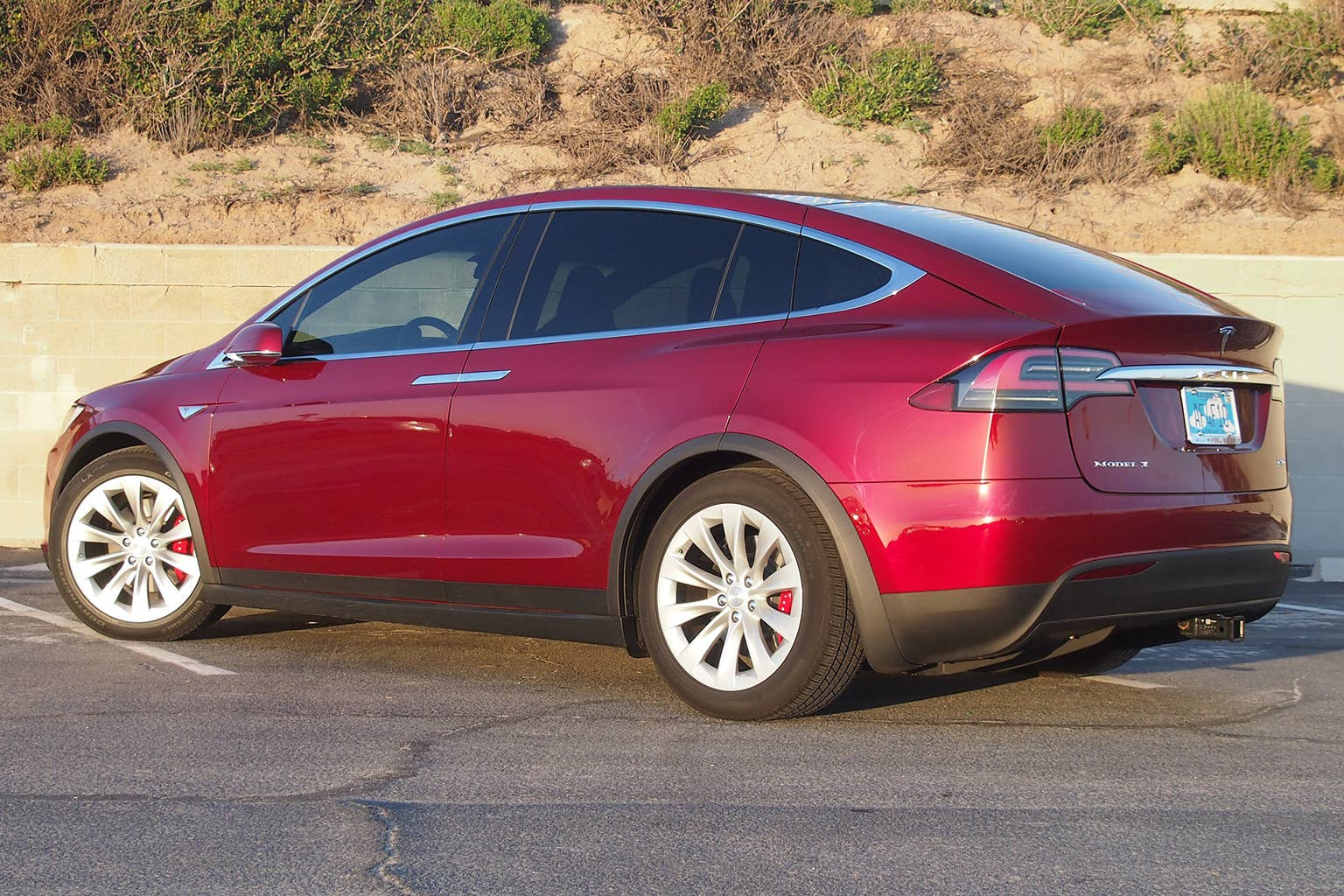
Tesla Autopilot is facing another wrongful death lawsuit after the system was blamed for a fatal 2023 crash involving a 2016 Tesla Model X in South Carolina. The lawsuit, filed by the victim’s wife, seeks to hold Tesla accountable for the death of 34-year-old Tesla owner William Alan Hensley.
What Happened in the Tesla Model X Crash?
According to Car Complaints, the lawsuit alleges that Hensley was driving his 2016 Tesla Model X at about 6:30 a.m. on October 12, 2023, when the vehicle crashed while he was traveling through Twelve Bridges Road in Sumter, South Carolina.
Light mist was present at the time, according to the lawsuit. It alleges that the Model X entered a curve but continued traveling straight at the same speed, eventually leaving the road and striking multiple trees before flipping over and combusting.
The lawsuit states that Hensley was wearing his seatbelt when the crash occurred. However, it alleges that he was ejected when the Model X overturned and was killed by blunt force trauma.
Lawsuit Blames Tesla Autopilot
Hensley’s wife, who filed the wrongful death lawsuit, claims that Tesla’s Autopilot system caused the accident and his death.
The lawsuit alleges that Autopilot failed to “detect the bend in the road and failed to adjust its speed or direction.”
The case adds to the scrutiny surrounding early-generation Autopilot systems, which remain in older Tesla vehicles still being driven on public roads.
The Lawsuit Acknowledges Autopilot’s Level 2 Status
The lawsuit itself acknowledges that the Autopilot system in the 2016 Tesla Model X is a Level 2 autonomous vehicle system. That means the driver is still required to remain responsible while operating the vehicle, and the Model X cannot be driven as a fully autonomous vehicle.
Despite that admission, the lawsuit alleges that Tesla “misled” owners and drivers into believing they could “turn their thoughts and eyes elsewhere.”
Tesla Autopilot’s Early Challenges
Tesla’s Autopilot system was among the first technologies to bring semi- and full-autonomous driving features to the mass market and is regarded as one of the most comprehensive systems.
However, like other emerging technologies, its early features experienced teething problems. The article notes that Tesla’s promotion of Autopilot led some road users to rely too heavily on the system.
Many fatalities have been linked to Autopilot over the years. While systems in today’s vehicles are described as much more reliable, older Tesla models equipped with early-generation Autopilot remain on the road and continue to be linked to fatal crashes.
The lawsuit now places another fatal Tesla Model X crash under scrutiny while acknowledging that the vehicle’s Autopilot system required the driver to remain responsible at all times.