
Buying a new SUV in 2026 does not have to mean stretching a retirement budget to the limit. For middle-class retirees, the right deal is about more than a low sticker price. A genuinely useful bargain can combine a manageable monthly payment, strong safety equipment, reasonable fuel costs, easy entry and exit, and a powertrain that fits the way the vehicle will actually be used.
That is especially relevant right now. Incentives on some 2026 SUVs have become unusually aggressive as automakers work through model-year inventory. In some cases, shoppers can find thousands of dollars in cash-back offers, while certain hybrid SUVs provide another route to lower long-term fuel expenses.
Our seven-model shortlist ranges from inexpensive compact crossovers such as the Chevrolet Trax to larger options such as the Mitsubishi Outlander. It also includes hybrid choices for drivers who want to reduce fuel consumption without moving entirely to an electric vehicle.
What Makes a Discounted SUV a Smart Retiree Buy?
A discount can make an SUV look attractive on a dealership website, but retirees should look beyond the advertised incentive. The biggest advertised rebate may not necessarily translate into the lowest overall ownership cost.
Several factors deserve attention before signing a purchase agreement:
- Purchase price: A lower starting price leaves more room in the household budget.
- Current incentives: Cash-back and other manufacturer programs can reduce the effective transaction price.
- Safety: IIHS and NHTSA ratings provide useful independent information.
- Reliability: Predicted reliability and ownership history can matter over years of use.
- Fuel economy: Hybrid technology can reduce fuel spending for drivers covering significant mileage.
- Ease of entry and exit: Seat height and door openings can make a major difference in daily comfort.
- Controls and visibility: Clear displays, good outward visibility and accessible controls can make a vehicle easier to live with.
Roughly 18 to 22 inches can be a useful step-in-height range for older drivers, while some 2026 crossovers and EVs provide entry heights around 17.8 to 20.1 inches.
Why 2026 SUV Discounts Matter for Retirees
The timing of a purchase can have a meaningful effect on the final price. Late-summer and early-fall 2026 promotions have included substantial cash-back offers on selected SUVs and EVs.
Examples include up to $10,000 in bonus cash on the Hyundai Ioniq 9 S, $5,000 on the Ford Escape, $3,000 on the Jeep Wrangler and $2,000 on the Nissan Kicks. Certain EVs have also received targeted lease and retail incentives.
Those numbers should not be treated as universal discounts. Incentives can depend on location, trim level, financing method, lease eligibility and inventory. Mitsubishi incentives can vary by state and can differ between customer cash and lease cash.
For a retiree, that distinction is important. A large advertised rebate is useful only if the shopper qualifies for it and the vehicle meets the household’s needs.
7 Discounted SUVs Middle Class Retirees Should Consider in 2026
1. Chevrolet Trax Activ
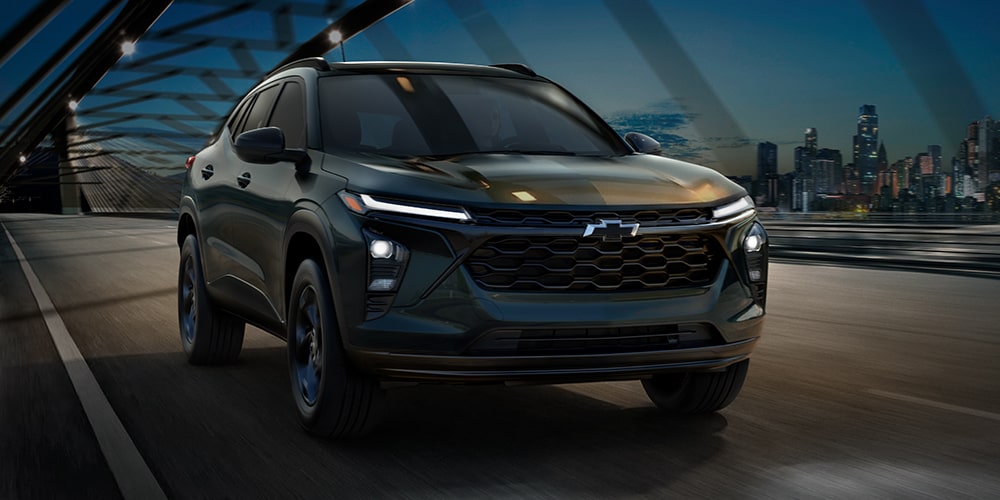
The Chevrolet Trax Activ stands out on this list primarily because of its low entry price. The Activ is priced at approximately $25,400, putting it well below the $30,000 threshold that many budget-conscious shoppers use when comparing new SUVs.
For retirees, the Trax’s appeal is not simply the purchase price. A smaller crossover can be easier to maneuver through parking lots, residential streets and shopping-center spaces than a large three-row SUV.
The Trax is a low-cost, senior-friendly choice for 2026, particularly because of its manageable size and ownership-cost profile.
That makes the Trax particularly relevant for a retiree who does not need a third row and wants to keep the initial vehicle expense under control.
Why retirees may consider it
- Approximately $25,400 for the Activ trim.
- Compact dimensions can make everyday maneuvering easier.
- Lower purchase price can leave more room in a fixed household budget.
- Fits the broader trend toward affordable subcompact SUVs.
The trade-off is that a lower-priced vehicle may not provide every premium convenience feature available in larger or more expensive SUVs. Buyers should therefore compare the exact equipment on the trim they intend to purchase.
2. Hyundai Tucson

The Hyundai Tucson brings together several characteristics that matter to retirees: accessible pricing, a broad range of configurations and the availability of hybrid power.
The base Tucson is priced at approximately $27,695. The Tucson Hybrid Blue SE is around $34,050, with standard all-wheel drive on the cited hybrid configuration.
That creates two different value propositions. A shopper primarily concerned with the lowest purchase price can look at the conventional Tucson, while someone who expects to keep the SUV for years and values fuel efficiency can consider the hybrid.
Hyundai and Kia models can combine sub-$35,000 pricing with strong warranty coverage, although the exact value of a warranty depends on the applicable terms and eligibility.
Why retirees may consider it
- Base pricing remains below $30,000 in.
- A hybrid version provides an alternative for fuel-conscious drivers.
- The SUV format offers a practical middle ground between subcompact and larger SUVs.
- It can appeal to buyers who want affordability without choosing the smallest vehicle available.
3. Volkswagen Tiguan
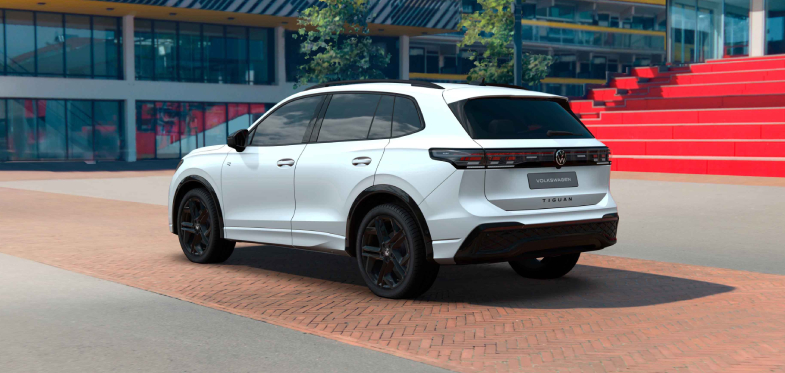
The 2026 Volkswagen Tiguan enters the discussion at just over $31,000. That puts it above the least expensive SUVs on this list but still within reach of buyers targeting the low-$30,000 range.
For a retiree, the Tiguan represents a different approach to value. Instead of focusing solely on the absolute lowest transaction price, shoppers can consider whether its size and overall crossover format better match their daily requirements.
The Tiguan is a manageable-size crossover suitable for family and retiree use.
This can be particularly relevant for retirees who occasionally transport grandchildren, luggage or household purchases but do not want to move into a much larger SUV.
What to check before buying
- Compare the exact trim and equipment with similarly priced competitors.
- Test the driver’s seat for entry and exit comfort.
- Check whether the display and controls are easy to read.
- Evaluate rear-seat access if passengers frequently ride along.
4. Mitsubishi Outlander and Outlander PHEV
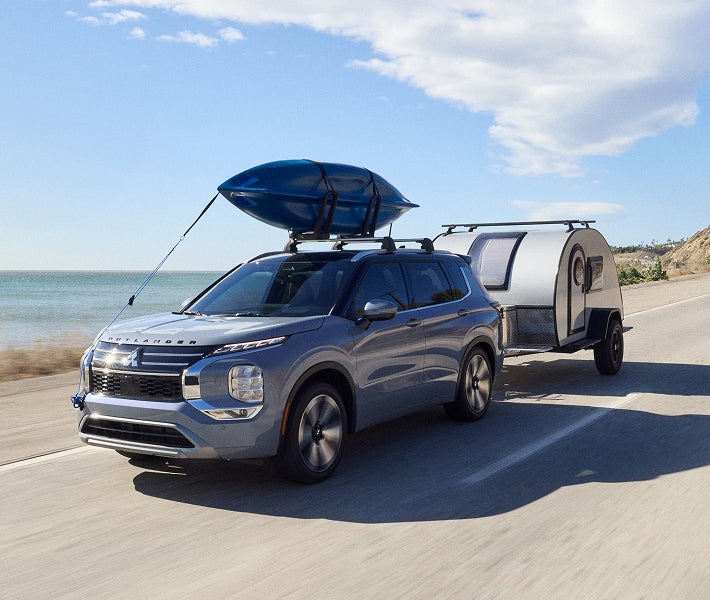
The Mitsubishi Outlander is one of the more notable discount stories among 2026 SUVs. The 2026 Outlander is cited with cash-back of up to $4,500, while the Outlander PHEV is cited with up to $5,750 in lease cash in many states, alongside customer-cash opportunities on selected configurations.
That makes the Outlander particularly interesting for retirees who need more passenger and cargo flexibility. Unlike the smallest crossovers on this list, the Outlander offers a practical three-row configuration.
The PHEV version adds another consideration. Plug-in hybrid technology can provide an electric-driving component while retaining a gasoline engine, but the additional complexity may not appeal to every buyer.
PHEV incentives can favor leasing rather than a traditional retail purchase, and incentive structures can vary by state.
Why it stands out
- Up to $4,500 in cited Outlander cash-back opportunities.
- Up to $5,750 in cited Outlander PHEV lease cash in many states.
- Three-row practicality.
- Offers both conventional and plug-in-hybrid approaches.
Before considering the PHEV, retirees should determine whether they have a convenient place to charge and whether the applicable incentive is actually available for their preferred purchase or lease structure.
5. Ford Escape

The Ford Escape is another model where the discount itself deserves attention. It offers $5,000 in cash back through September 30, 2026, making it one of the more substantial mainstream SUV incentives in the current research set.
For someone shopping specifically for a discounted SUV, a cash incentive of this size can materially change the effective price, although buyers still need to confirm the offer at the time of purchase.
The Escape also offers hybrid configurations, giving shoppers a choice between focusing primarily on the purchase incentive and considering longer-term fuel economy.
That combination may make it worth comparing against the Hyundai Tucson and other compact crossovers before making a decision.
Important shopping consideration
The $5,000 offer is a September 2026 promotion. Incentives can expire or change, so retirees should verify the current offer, eligibility requirements and applicable ZIP code before relying on the advertised amount.
6. Subaru Forester
The Subaru Forester takes a different position in this group. Rather than being included primarily because of a large cash-back figure, it stands out for its safety credentials, visibility and retiree-friendly characteristics.
The 2026 Forester is an IIHS Top Safety Pick+, with strong visibility and safety technology. Subaru also reduced the price of the 2026 Forester Hybrid compared with prior years, narrowing the premium associated with the hybrid powertrain.
For an older driver, visibility can be just as important as a headline discount. A vehicle that is easy to see out of, easy to enter and comfortable to operate may deliver value in ways that are not reflected by the rebate alone.
Why it deserves a test drive
- IIHS Top Safety Pick+ recognition.
- Strong visibility is specifically highlighted.
- Hybrid pricing was reduced for 2026.
- Safety-focused shoppers may find its overall package relevant.
7. Kia Sportage
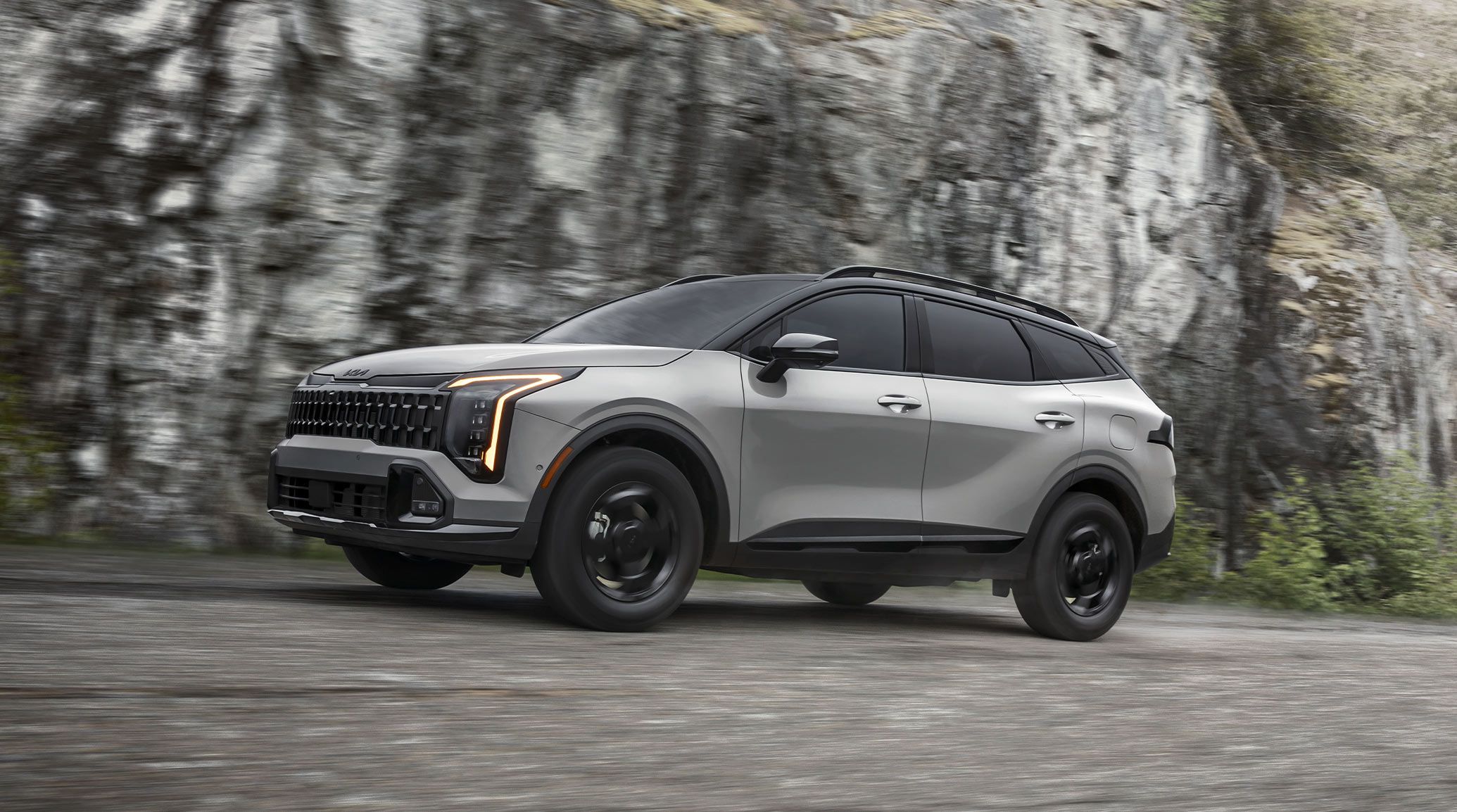
The Kia Sportage rounds out the seven-model shortlist with a combination of affordability and safety credentials.
The 2026 Sportage is an IIHS Top Safety Pick+ and has a five-star NHTSA overall safety rating.
That makes safety a central part of the Sportage’s value proposition. For retirees who place a high priority on crash protection and driver-assistance technology, independent safety ratings can be an important part of the shopping process.
2026 SUV safety standards and testing have placed greater emphasis on areas such as rear-seat protection, crash avoidance, headlights and LATCH usability.
How to Compare These SUVs on a Retirement Budget
There is no single definition of value that works for every retiree. A driver who spends most of the year driving locally may have very different priorities from someone who takes long road trips several times a year.
A useful approach is to divide the decision into four categories.
1. Start With the Effective Price
Do not compare only MSRP. Look at the price after eligible manufacturer incentives, then account for taxes, registration, dealer fees and financing costs.
For example, a $5,000 incentive can be meaningful, but only if the buyer qualifies. Similarly, a large lease incentive should not automatically be compared with retail purchase cash as though they were the same type of discount.
2. Evaluate Safety Ratings
Safety should be checked independently rather than inferred from a vehicle’s size or price. The 2026 IIHS program has placed additional emphasis on several crashworthiness and crash-avoidance areas, with the Forester and Sportage among the models highlighted here.
Shoppers should also verify the specific model year, build period and trim because safety results can vary between configurations.
3. Think About Fuel Costs
For retirees living on a predictable monthly budget, fuel expenses can matter almost as much as the purchase price.
Consumer Reports testing found that the Toyota Corolla Cross Hybrid achieved approximately 35 mpg overall, about 6 mpg better than its non-hybrid counterpart.
That does not mean every hybrid SUV will achieve the same result. Actual fuel economy varies with driving conditions, temperature, speed, vehicle configuration and driving habits.
4. Test Entry and Exit Multiple Times
This is one of the easiest factors to overlook during a short dealership visit.
Retirees should get in and out of the driver’s seat several times. Adjust the seat and steering wheel. Check whether the door opens wide enough. Make sure the pedals can be reached comfortably without forcing an awkward leg position.
It is also useful to adjust the mirrors, check blind spots, test infotainment visibility in bright conditions and evaluate voice commands.
What About Reliability?
Reliability is particularly important when a vehicle is expected to remain in service for many years. J.D. Power’s 2026 predicted reliability scale ranges from 0 to 100, with scores of 91–100 classified as Best, 81–90 as Great, 70–80 as Average and 69 or below as Fair.
However, reliability should not be reduced to one score. Maintenance requirements, warranty coverage, repair costs and the vehicle’s expected use all matter.
A retiree who drives only a few thousand miles each year may place greater emphasis on purchase price and comfort, while someone traveling across several states each year may put greater weight on long-term durability and roadside support.
Are Hybrid SUVs Worth Considering?
Hybrid SUVs can make sense for retirees who want to reduce fuel consumption without switching completely to an EV.
Several 2026 hybrid SUVs are priced below $35,000, including the Hyundai Tucson Hybrid and Toyota Corolla Cross Hybrid.
The key question is how much driving you actually do.
If most trips are short errands around town, fuel savings may accumulate differently than they would for a retiree who drives 15,000 or 20,000 miles annually. Buyers should calculate their expected fuel savings rather than assuming that a hybrid will automatically be cheaper overall.
What Retirees Should Know About 2026 SUV Deals
The biggest mistake when shopping discounted SUVs is assuming that the headline discount is the final price.
Before visiting a dealer, confirm:
- The exact model and trim that qualifies for the offer.
- The offer’s expiration date.
- Whether the incentive applies to purchases, leases or both.
- Whether financing through the manufacturer changes the incentive.
- Whether the offer is available in the buyer’s state.
- Whether dealer-installed options affect the final price.
- The total out-the-door cost rather than only the advertised monthly payment.
Regional and trim-level differences can significantly affect the actual discount available to a shopper.
Which SUV Size Makes Sense for a Retiree?
Smaller is not automatically better, and larger is not automatically more comfortable.
A subcompact such as the Trax may be appealing for a driver who mostly travels alone or with one passenger. A compact SUV such as the Tucson, Tiguan, Escape, Forester or Sportage can provide a broader balance of passenger space and maneuverability.
The Outlander, meanwhile, can make more sense for households that genuinely need three rows.
The best approach is to match the vehicle’s size to actual usage. Buying a larger SUV solely because it feels more substantial can increase purchase, fuel and parking costs without delivering meaningful benefits if the third row is rarely used.
Bottom Line: Look Beyond the Rebate
The 2026 SUV market gives middle-class retirees several ways to approach a new-vehicle purchase. The Chevrolet Trax focuses on low entry cost, while the Hyundai Tucson provides both conventional and hybrid choices. The Volkswagen Tiguan offers a low-$30,000 crossover option, while the Mitsubishi Outlander brings three-row practicality and significant cited incentives.
The Ford Escape stands out for its $5,000 cash-back offer through September 30, 2026. The Subaru Forester and Kia Sportage bring a stronger emphasis on safety credentials and everyday usability.
But the most important number is not necessarily the largest rebate. For a retiree, the real value comes from the combination of purchase price, incentive eligibility, fuel consumption, safety, reliability, comfort and ease of use.
Before buying, take the vehicle for a meaningful test drive, repeatedly test entry and exit, examine the controls in bright light and calculate the full ownership cost. A discounted SUV is most useful when the discount improves an already suitable vehicle rather than persuading a buyer to purchase something that does not fit their needs.
Frequently Asked Questions About Discounted SUVs for Retirees
What are the best discounted SUVs for middle-class retirees in 2026?
The shortlist includes the Chevrolet Trax Activ, Hyundai Tucson, Volkswagen Tiguan, Mitsubishi Outlander/Outlander PHEV, Ford Escape, Subaru Forester and Kia Sportage. Each has a different value proposition involving price, incentives, safety, fuel economy, size or practicality.
How much can retirees save on a 2026 SUV?
September 2026 incentives range from several thousand dollars to as much as $10,000 on selected models. Examples include $5,000 on the Ford Escape, up to $4,500 on selected Mitsubishi Outlander configurations and up to $10,000 on the Hyundai Ioniq 9 S. Actual eligibility varies by vehicle, location and transaction type.
What is the cheapest SUV on this seven-model list?
The Chevrolet Trax Activ is the lowest-priced model cited here, at approximately $25,400. The Hyundai Tucson follows at approximately $27,695 for its base configuration.
Are hybrids a good option for retirees?
Hybrids can be worth considering when fuel economy and long-term running costs are important. The Toyota Corolla Cross Hybrid achieves approximately 35 mpg overall in Consumer Reports testing, and several hybrid SUVs are priced below $35,000. Actual savings depend on mileage, fuel prices and driving conditions.
What SUV is easiest for older drivers to get into?
Approximately 18–22 inches can be a useful step-in-height range, although comfort depends on seat design, door opening, seat position and the driver’s height and mobility. Some 2026 vehicles cited in have entry heights around 17.8–20.1 inches.
Which SUVs on the list have strong safety credentials?
The Subaru Forester and Kia Sportage are 2026 IIHS Top Safety Pick+ models. It also notes that NHTSA five-star overall ratings are present among several highlighted SUVs, including the Kia Sportage. Buyers should verify current ratings for the exact model and configuration they are considering.
Are SUV discounts the same in every state?
No. Incentives can vary by state, trim, inventory, financing method and whether the vehicle is purchased or leased. Regional differences apply to Mitsubishi Outlander and Outlander PHEV incentives.
Should retirees buy or lease a discounted SUV?
That depends on the driver’s circumstances. Some 2026 incentives are structured as lease cash rather than purchase cash, particularly for certain plug-in hybrids. Buyers should compare the complete cost of leasing with the complete cost of purchasing instead of judging the transaction solely by the advertised incentive.