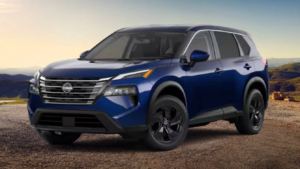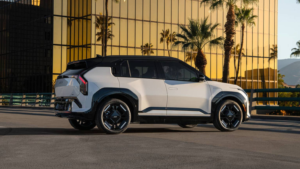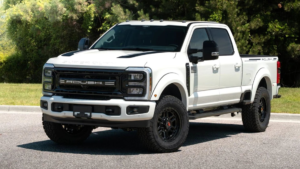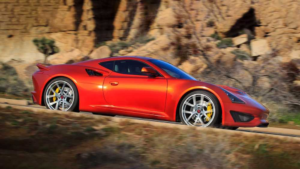

The prospect of allowing Chinese automakers to build vehicles in the United States is facing strong opposition from major U.S. auto industry organizations, despite President Donald Trump recently saying he would be open to Chinese companies establishing assembly plants in the country.
Trump Signals Openness to Chinese Auto Plants
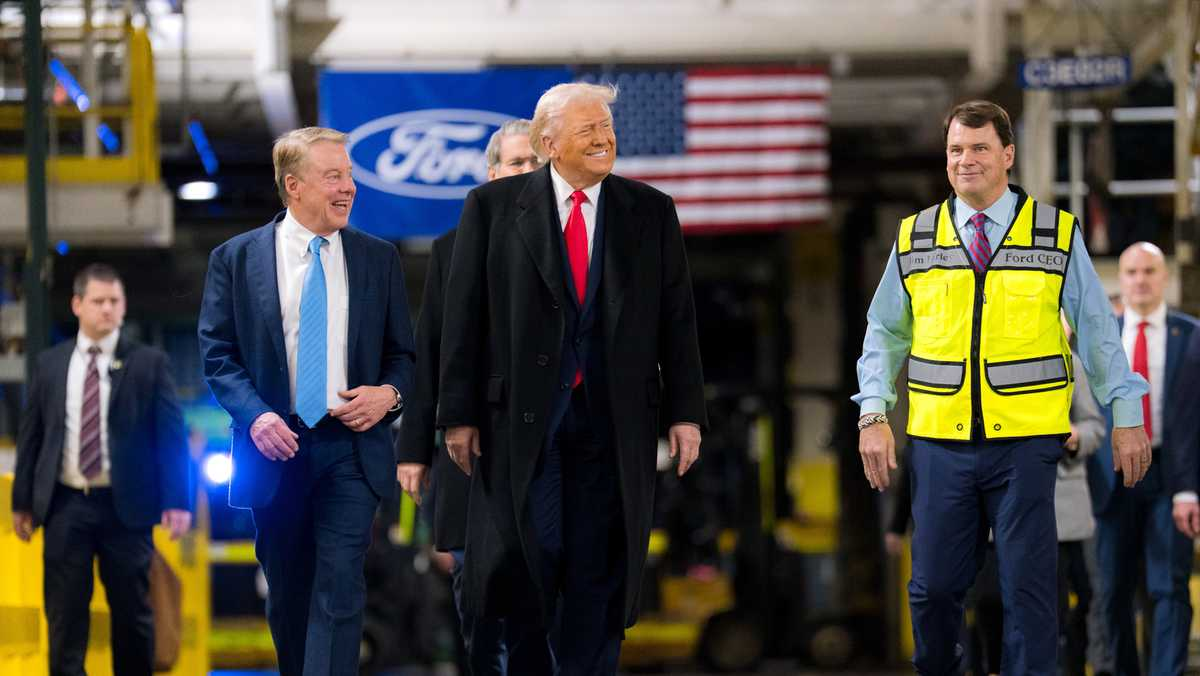
During an interview last week on Fox News’ The Ingraham Angle, Trump said, “I’d be OK with it” if Chinese automakers wanted to open plants in the U.S. to assemble cars.
Trump emphasized the potential for American employment, saying, “The big thing is they hire our people,” a strategy that automakers from around the world have followed on American soil for the past 40 years.
The comments come as Trump appears to be rethinking his position on China, particularly regarding Chinese companies manufacturing vehicles in the United States. Trump has previously criticized communist China over large trade imbalances, state subsidies for Chinese companies, intellectual property theft, espionage and abusive labor conditions.
Auto Industry Groups Urge Trump to Keep Chinese Automakers Out
Six U.S. auto industry organizations sent a letter to the White House on Sept. 17 urging Trump to “maintain policies that keep the door firmly shut to Chinese automakers seeking to sell, import, or manufacture vehicles inside the US.”
The groups represent domestic and transplant manufacturers, dealers, parts suppliers, trade representatives and zero-emissions advocates. The organizations signing the letter were the Alliance for Automotive Innovation, American Automotive Policy Council, National Automobile Dealers Assn., MEMA Vehicle Suppliers Assn., Autos Drive America, and the Zero Emission Transportation Assn.
Collectively, the organizations represent nearly every facet of the U.S. auto industry, including major automakers.
“Providing Chinese automakers with the ability to manufacture inside the US would undermine fair competition and jeopardize the progress your administration has already made to increase domestic automotive manufacturing, strengthen supply chains and prevent the US from facing the disruptions roiling global auto markets right now,” the letter said.
Industry Warns of Job and Market Impact
Auto industry leaders said Chinese automakers and their supply chains would “fundamentally differ from companies headquartered in Europe, Japan, and South Korea, which operate on market principles and have invested substantially in the American economy and American workers” by building dozens of assembly plants in the South and Midwest.
The letter noted that Chinese automakers currently have zero market share in the U.S. and argued that allowing them to establish domestic facilities would give them a foothold in the market at the expense of manufacturers already operating in the country.
“That would not create new American manufacturing jobs. Rather, it would shift jobs away from manufacturers that have made generational investments in the US and toward companies owned and operated by the Chinese government,” the industry groups said.
The organizations also warned that Chinese automakers entering the U.S. could “erode the value of 17,000 auto dealerships in our country that benefit consumers and communities nationwide.”
They argued that Chinese production in the U.S. would bring fewer jobs while remaining reliant on foreign supply chains, adding that localized Chinese production “will not advance the administration’s manufacturing jobs and national security agendas.”
Connected Vehicle Security Remains a Concern
The dispute also involves concerns over connected vehicle technology. The U.S. Department of Commerce recently barred Polestar, which is owned by Chinese automaker Geely, from selling 2027 model year cars in the U.S. because of Connected Vehicle Rules targeting Chinese-owned automotive technology.
The Polestar 3 has been assembled at Volvo’s South Carolina plant, while the Polestar 4 is produced in South Korea. Only the Polestar 2 was sourced for the U.S. from China.
The auto industry groups said domestic assembly of Chinese vehicles would not resolve the connected vehicle security threat, creating a direct tension between Trump’s comments supporting potential Chinese manufacturing in the U.S. and the Commerce Department’s actions against Polestar.
Industry Links Auto Manufacturing to National Security
The Sept. 17 letter described the automotive sector as “foundational to our advanced manufacturing and defense base, with the capacity and workforce to respond during a national emergency. Once that base is hollowed out, it can’t be rebuilt overnight.”
The groups also praised Trump’s recent protectionist policies, which they said have so far kept inexpensive Chinese cars that are too numerous to sell solely in China out of the U.S. market.
Meanwhile, Europe, Australia, Southeast Asia, Mexico and South America are dealing with a surge in Chinese vehicles that the industry groups said are “not only capable of collecting and transmitting personal data back to the Chinese government but also weaken the market position of incumbent manufacturers.”