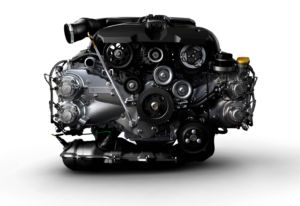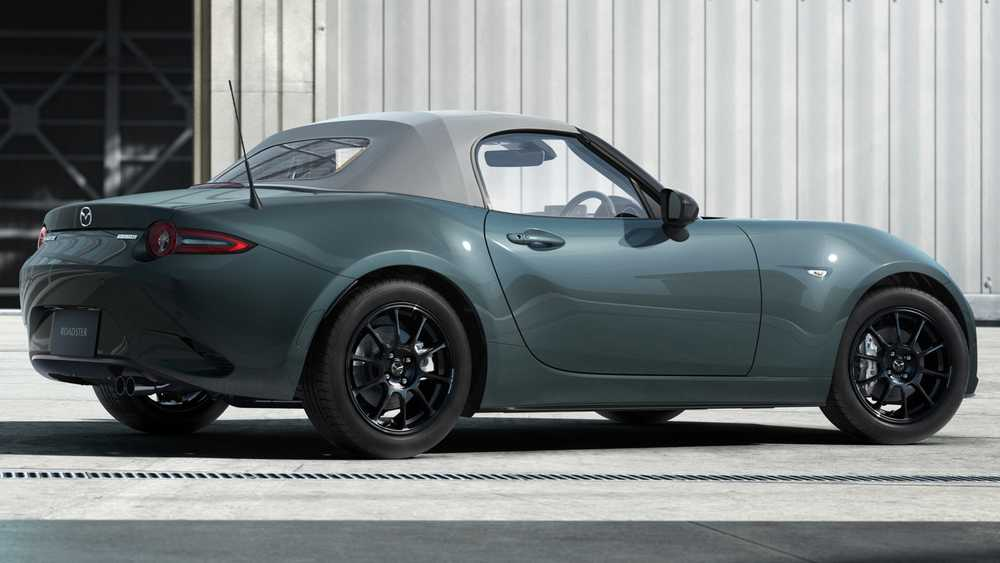
Mazda is exploring a new way to improve its Skyactiv-X engine, with two newly discovered patents showing a potential second spark plug could be added to the compression-ignition system. The goal is to improve combustion efficiency, reduce emissions and increase fuel economy without sacrificing power.
Mazda Skyactiv-X Could Add a Second Spark Plug
Mazda’s Skyactiv-X combines spark ignition with compression ignition through a system known as Spark Controlled Compression Ignition. A spark plug initially ignites part of the air-fuel mixture, which then compresses the main charge until it spontaneously ignites in a process similar to a diesel engine.
The system is designed to reduce fuel consumption and emissions by burning less fuel during each cycle while also burning that fuel more efficiently. Mazda, however, faces challenges when attempting to run the engine with very small amounts of fuel.
Lean combustion, which uses little fuel relative to the available oxygen, can generate extremely high temperatures inside the cylinder. Those temperatures can become high enough to melt pistons and valves.
Modern engines can address that problem through exhaust gas recirculation, or EGR. Because exhaust gas contains little to no oxygen, returning it to the cylinder partially fills the combustion chamber with inert gas. This reduces the amount of oxygen available and allows the engine to operate with less fuel.
Mazda wants to use even more EGR so the Skyactiv-X can operate on smaller amounts of fuel. The challenge is igniting such a small air-fuel mixture effectively.
How Two Spark Plugs Could Improve Combustion
The Skyactiv-X system currently uses staged fuel injection, with the first portion of fuel ignited by a spark plug. That initial combustion helps ignite the remaining fuel in a process designed to resemble diesel combustion.
Mazda’s patents show engineers considering a second spark plug positioned alongside the original in the cylinder head. The two plugs would sit on opposite sides of the combustion chamber.
With two ignition points, Mazda could ignite the initial air-fuel charge more quickly and uniformly. The difference would occur within thousandths of a second, but that timing matters when an engine is operating at thousands of revolutions per minute.
A faster and more uniform initial ignition would allow the main volume of air to be compressed more quickly and evenly. The main charge could then ignite its fuel more efficiently, reducing emissions.
Using two spark plugs in an engine is not a new concept. It is common in piston-engine aircraft for reliability and has also been used in several vehicle engines, including modern Hemi V8 engines and 1990s Ford four-cylinders.
Honda also used eight spark plugs in early hybrid applications, with each cylinder using plugs from two different brands.
Why Mazda Skyactiv-X Never Reached the U.S.
The Skyactiv-X engine debuted in the Mazda 3 and CX-30 for the European market starting in 2019. The engine is still used in some countries today, although as a mild hybrid, but it never made its way to the United States.
One challenge was power. The current Skyactiv-G engines produce more power than the Skyactiv-X, meaning that reducing power output in models could result in reduced sales.
Fuel economy was another concern. Some buyers may accept less power in exchange for improved efficiency, but Mazda reported a minimal 9% improvement on the WLTP cycle. The result would look worse under EPA ratings, since those figures are typically 20–30% worse than WLTP measurements.
Price was another major obstacle. Switching to the new engine would add 27% to the Mazda 3’s base price, making the combination of less power and a higher price difficult to justify for buyers seeking only a slight improvement in fuel economy.
What the Second Spark Plug Could Mean
Mazda’s proposed two-plug system could make its compression-ignition gasoline engines work more effectively while addressing some of the challenges that limited the original Skyactiv-X system.
The technology remains complicated and expensive, but the latest patents show that Mazda is continuing to explore ways to develop Skyactiv-X rather than abandoning the system entirely.