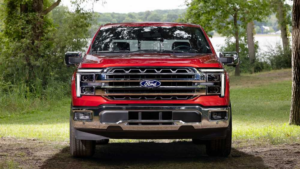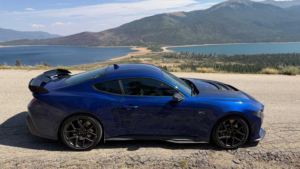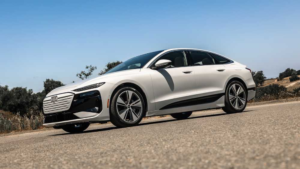

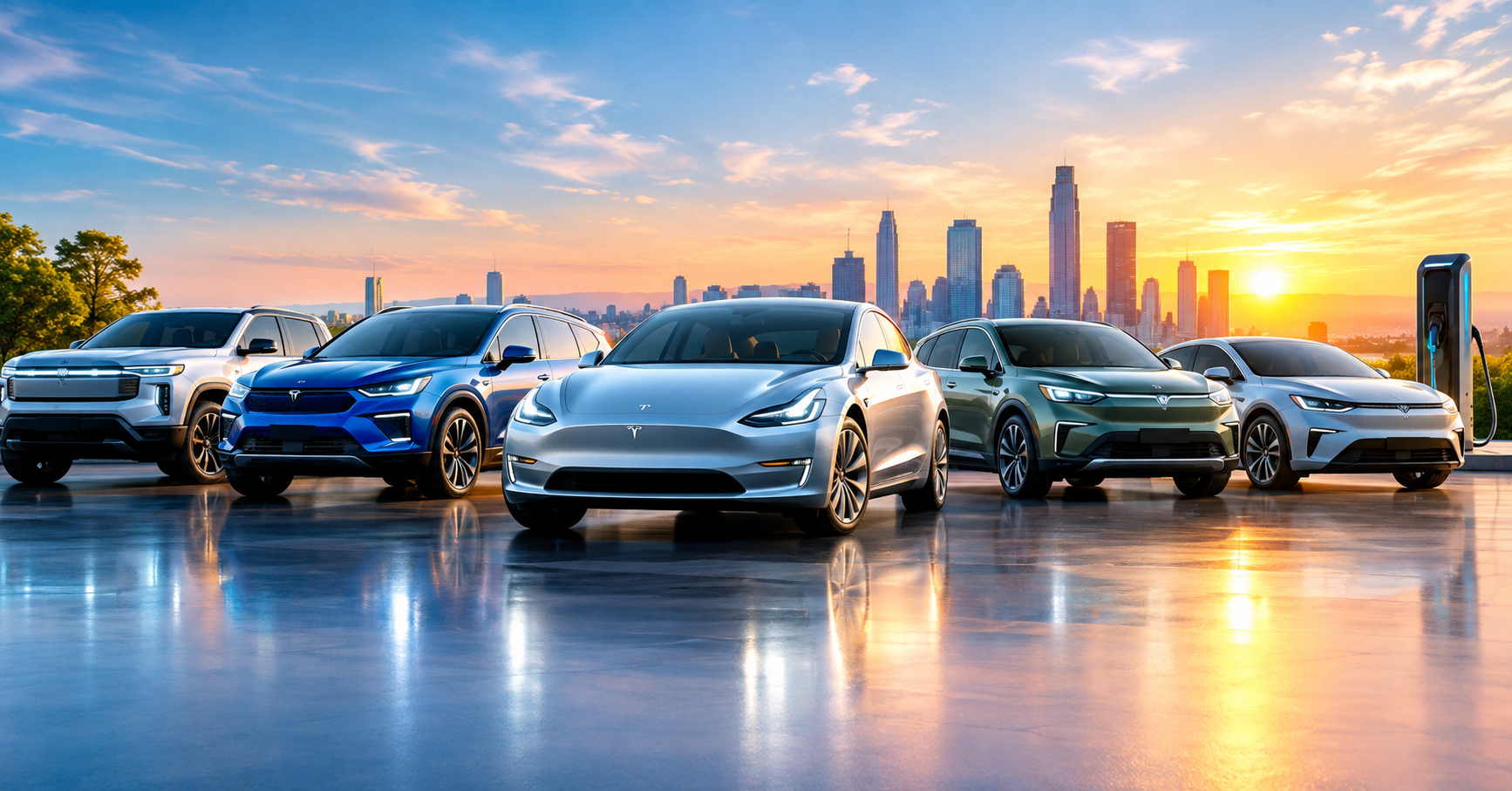
The next wave of electric vehicles is no longer a distant promise. Some of the New Electric Cars Coming Soon are already entering production, while others are scheduled for U.S. launches in 2026 and 2027. The result is one of the most significant periods of EV expansion yet, with new electric SUVs, sedans, pickups, performance cars and commercial vehicles preparing to reach American buyers.
What makes this cycle especially interesting is the variety. Automakers are moving beyond the early EV formula of premium sedans and large crossovers. New models are targeting mainstream buyers, luxury shoppers, performance enthusiasts, families and commercial operators.
This guide focuses on officially announced vehicles and future EV programs rather than internet rumors. Because automakers can change production schedules, certification timing and market plans, each vehicle is identified by its current status whenever the available manufacturer information supports it.
New Electric Cars Coming Soon in 2026 and 2027
The upcoming EV landscape includes everything from Tesla’s autonomous Cybercab to new luxury models from Genesis, BMW and Mercedes-Benz. Rivian is moving its R2 into customer deliveries, Volvo has started production of the EX60, and several automakers are preparing completely new electric architectures.
It is important to separate vehicles that are already entering production from models that have only been revealed. A vehicle listed as “production planned” should not be treated the same way as one already being delivered to customers.
How to Read the List
- In Production: The manufacturer has confirmed production.
- Deliveries Underway: Customers are receiving vehicles.
- Launching in 2026: A 2026 launch has been announced.
- Launching in 2027: A 2027 launch has been announced.
- Production Planned: Production timing has been announced.
- Officially Revealed: The vehicle has been presented, although some final details may remain unavailable.
- Beyond 2027: The product is official but falls outside the main 2026–2027 focus.
Tesla: Cybercab, Robovan and Semi
Tesla has some of the most closely watched electric products in development, particularly because several are connected to the company’s autonomous-driving and next-generation vehicle strategy.
Tesla Cybercab
The Tesla Cybercab is one of the most unusual new electric vehicles arriving during this period. Rather than being designed as a conventional family car, Cybercab is intended as a purpose-built autonomous vehicle for Tesla’s Robotaxi fleet.
Tesla describes the vehicle as having no conventional steering wheel or pedals, with two-seat bench-style seating. The company’s official materials identify Cybercab as a new addition to its Robotaxi fleet.
More importantly, Cybercab has moved beyond the concept stage. Tesla reported in September 2026 that production had started, with engineering test drives of production vehicles beginning on public roads.
- Status: Production started in 2026
- Powertrain: Fully electric
- Seating: Up to two passengers
- Primary role: Autonomous Robotaxi
Tesla Robovan
The Tesla Robovan takes the company’s autonomous transportation strategy in a different direction. Tesla has described it as a vehicle designed to transport larger groups or goods, with possible applications ranging from mass transportation to construction and food service.
Tesla’s Robotaxi website currently identifies Robovan as “Arriving soon.” However, the available information does not establish a complete consumer production specification or firm launch schedule.
Status: Officially presented; timing not fully specified.
Tesla Semi
The Tesla Semi is another important part of Tesla’s future electric-vehicle strategy. Unlike most vehicles in this guide, the Semi is a commercial Class 8 electric truck rather than a passenger vehicle.
Tesla’s 2026 outlook stated that Cybercab and Tesla Semi were on schedule for volume production beginning in 2026. That makes the Semi particularly relevant when discussing the wider expansion of electric transportation.
Rivian R2: A Major New Electric SUV
Rivian’s R2 represents one of the most important transitions from future EV to real-world vehicle in this list.
Rivian reported in August 2026 that R2 vehicles were rolling off the production line in Normal, Illinois, with customer deliveries underway in the United States. The company began with R2 Performance models equipped with the Launch Package before introducing additional configurations.
Published Rivian specifications include up to 656 horsepower, as much as 609 lb-ft of torque, a claimed 0–60 mph time of as little as 3.6 seconds, available Autonomy+ technology and up to 4,400 pounds of towing capacity with the specified tow package.
Status: Customer deliveries underway in 2026.
For shoppers watching the mainstream electric SUV market, the R2 is particularly significant because it expands Rivian’s reach beyond its larger vehicles.
Lucid Midsize EVs
Lucid is preparing to expand beyond its existing Air sedan and Gravity SUV with a new midsize EV platform.
Lucid’s corporate filing described the midsize platform as being in advanced development and scheduled to begin production in late 2026. The company has positioned these vehicles for higher-volume and lower-price segments than its existing lineup.
Lucid has not yet provided every final production detail for the individual models. For that reason, it is more accurate to discuss the program as a midsize EV platform rather than assign an unofficial model name.
Status: Production scheduled for late 2026.
Upcoming Genesis Electric Vehicles
Genesis GV90
The Genesis GV90 is positioned as the brand’s flagship electric SUV and sits above the existing GV80 in the lineup.
Genesis has continued to highlight the GV90 in official material, including its luxury-oriented cabin technology. The vehicle is positioned as a three-row luxury SUV with a fully electric powertrain and a design direction influenced by the GV90 Neolun concept.
- Type: Full-size luxury electric SUV
- Seating: Three rows
- Expected U.S. timing: 2027
Genesis GV60 Magma
The Genesis GV60 Magma brings the brand’s electric lineup into the high-performance category. Based on the GV60, the Magma version receives significant performance-focused upgrades and forms part of Genesis’ broader Magma performance strategy.
Expected timing: 2026.
Hyundai Electric Vehicles Coming Soon
Hyundai IONIQ 6 N
The Hyundai IONIQ 6 N is the high-performance version of Hyundai’s electric sedan and joins the IONIQ 5 N as another major performance EV from the brand.
Hyundai’s published specifications include dual-motor all-wheel drive, up to 641 horsepower using N Grin Boost, a standard maximum output of 601 horsepower and a claimed 0–60 mph time of approximately 3.2 seconds.
The car also receives performance-oriented chassis and braking upgrades, giving it a substantially different mission from a conventional electric commuter sedan.
Expected U.S. timing: 2026.
Hyundai IONIQ 9
The 2026 Hyundai IONIQ 9 adds a large three-row electric SUV to Hyundai’s U.S. lineup. Hyundai lists an EPA-estimated range of up to 335 miles.
Its importance comes from its family-oriented layout. Three-row electric SUVs remain an important area of growth as manufacturers attempt to give American families alternatives to gasoline-powered large SUVs.
Kia EV4 and EV5
Kia EV4
The Kia EV4 expands Kia’s electric lineup into a more accessible segment than the larger EV6 and EV9. It is described as an electric sedan or hatchback-style model and forms part of Kia’s broader 2026 EV expansion.
Kia EV5
The Kia EV5 takes a different approach, entering the compact electric SUV segment below the EV9.
Together, the EV4 and EV5 demonstrate an important industry trend: automakers are expanding electric vehicles into more body styles and price segments instead of concentrating primarily on premium SUVs.
Volvo EX60
The Volvo EX60 is another future-focused EV that has already progressed into production.
Volvo announced in April 2026 that production had started at its Torslanda plant in Sweden, with customer deliveries beginning in early summer.
According to Volvo’s published information, the EX60 is a midsize electric SUV with a fully electric powertrain. The company’s stated test-cycle range figure reaches up to 503 miles, while 10–80% charging is listed at approximately 16 minutes.
Status: Production started in 2026.
Polestar Electric Cars Coming in 2026 and 2027
Polestar has one of the clearest publicly documented future-product roadmaps among the brands covered in the research.
Polestar 4 SUV
The Polestar 4 SUV is scheduled for introduction in late 2026 and represents another stage in the company’s expansion beyond the Polestar 2.
Polestar 2 Successor
A next-generation successor to the Polestar 2 is planned for early 2027. This model is particularly relevant for shoppers interested in the future of Polestar’s smaller electric vehicles.
Polestar 6 and Polestar 7
Polestar has also announced the Polestar 6 electric roadster and Polestar 7 compact SUV. However, the Polestar 7 is planned for 2028, putting it outside the primary 2026–2027 focus of this article.
BMW Neue Klasse EVs
BMW’s Neue Klasse program is one of the industry’s most significant next-generation electric vehicle initiatives.
BMW confirmed that production of its Neue Klasse sedan would begin in 2026, followed by additional vehicles based on the new architecture. BMW has also announced that its Munich plant will transition to producing exclusively all-electric models from the end of 2027.
BMW Neue Klasse Sedan
Timing: 2026.
Type: Electric sedan.
BMW iX3 / Neue Klasse SUV
The Neue Klasse SUV represents another major step in BMW’s electric expansion, with a 2026 timing identified in the research.
The larger significance of Neue Klasse is that it is not simply one vehicle. It represents a new generation of BMW electric vehicles and technology architecture.
Mercedes-Benz Electric Cars Coming Soon
Mercedes-Benz is preparing a broad wave of new electric products across some of its most important vehicle categories.
Electric CLA
The new electric CLA is part of Mercedes-Benz’s next-generation vehicle program and is available with a battery-electric drivetrain.
Electric GLC
The electric GLC is one of Mercedes-Benz’s most important upcoming EVs because it brings full electrification to a core SUV segment.
Electric C-Class and E-Class
Mercedes-Benz has also announced an all-new electric C-Class and an all-electric E-Class. The company’s broader plan places these products within an electric expansion expected to continue through 2027.
For luxury shoppers, this means the next-generation EV market will not be limited to a handful of niche models. Traditional luxury nameplates are increasingly being adapted for electric powertrains.
Audi Concept C Production Electric Sports Car
Audi’s future EV strategy includes the next generation of electric vehicles based on its new design and technology direction.
The Audi Concept C previews a new electric sports car planned for 2027. Beyond its performance role, the vehicle is important because it provides a look at Audi’s future electric design language.
Expected timing: 2027.
Type: Electric sports car.
Ford Fathom: A New Electric Pickup
Ford is developing a new generation of lower-cost electric vehicles around its Universal EV Platform.
The Ford Fathom is planned as a compact electric pickup. The program has been described as beginning with a small electric pickup with a footprint similar to the Maverick while targeting greater interior space.
Expected production: 2027.
The Fathom could be especially important to the U.S. market because compact pickups occupy a different space from the large electric trucks that currently dominate much of the conversation around electric pickups.
Jaguar Type 01
Jaguar is undergoing a major transition toward an all-electric luxury positioning, and the Jaguar Type 01 is planned as a high-end electric grand tourer.
Published product information identifies a three-motor electric setup, more than 986 horsepower, a target range of at least 430 miles and a planned 2027 launch.
The Type 01 should be treated as an upcoming Jaguar product rather than a currently available production vehicle.
Other Electric Vehicle Brands to Watch
The EV expansion does not stop with the vehicles listed above. Several major manufacturers are continuing to develop battery-electric products and additional variants.
Chevrolet
Chevrolet’s EV portfolio includes the Equinox EV, Blazer EV and Silverado EV. Future product timing should be attached only to vehicles for which Chevrolet has made an official production or launch announcement.
Cadillac
Cadillac continues expanding its EV portfolio with the Lyriq, Optiq, Vistiq and Escalade IQ families, while additional products and variants can be tracked through official announcements.
GMC
GMC’s electric lineup centers on the Hummer EV and Sierra EV, with model-year updates continuing through the 2027 cycle.
Toyota and Lexus
Toyota is combining battery-electric vehicles with hybrids and plug-in hybrids as part of its broader electrification strategy. Future products should be classified carefully so that pure EVs are not confused with other electrified powertrains.
Lexus is similarly expanding its battery-electric lineup while continuing to offer hybrids. Keeping those categories separate makes an upcoming EV guide more useful for shoppers.
Nissan, Honda and Acura
Nissan remains an important brand to watch as it updates its U.S. electric lineup. Honda’s future EV strategy is centered on its next-generation electric vehicles and Honda 0 Series, while Acura’s electric expansion is connected to Honda’s next-generation EV architecture and U.S. production strategy.
Subaru
Subaru is expanding its battery-electric lineup with models including the Solterra and Trailseeker.
Volkswagen
Volkswagen’s ID family remains the core of its battery-electric strategy, with additional products planned as the company expands its U.S. EV presence.
Porsche
Porsche continues expanding its EV range beyond the Taycan, with electric versions of additional model lines forming part of its longer-term strategy.
Jeep and Dodge
Jeep’s electric strategy includes the Wagoneer S and additional electrified vehicles, while Dodge’s evolving strategy requires careful distinction between battery-electric, hybrid and changed or discontinued product plans.
What Counts as a New Electric Car Coming Soon?
One of the biggest challenges when researching upcoming EVs is separating confirmed products from speculation.
A manufacturer may show a concept years before production. Another company may announce a platform without naming every future vehicle. A third may confirm production while leaving the exact U.S. delivery date open.
That is why the status of each vehicle matters as much as its name.
- Look for an official manufacturer announcement.
- Check whether production has actually started.
- Separate U.S. timing from global timing.
- Do not treat concept vehicles as confirmed production models.
- Update launch information when the automaker publishes new details.
This approach is particularly important for a rapidly changing market. Production plans, certification schedules and launch strategies can change before a vehicle reaches American dealerships.
New Electric SUVs Are a Major Part of the 2026–2027 Wave
Electric SUVs dominate a significant portion of the upcoming EV pipeline because American consumers continue to demand practical body styles with more interior space.
Examples include the Rivian R2, Genesis GV90, Volvo EX60, Kia EV5, BMW’s Neue Klasse SUV, Mercedes-Benz electric GLC and Hyundai IONIQ 9.
These vehicles cover a wide range of missions. Some are designed for luxury buyers, others for families, and others for shoppers looking for a smaller or more accessible electric SUV.
For consumers, the growing number of electric SUVs means that choosing an EV will increasingly involve the same questions traditionally asked when buying a gasoline SUV: size, seating, cargo capacity, performance, towing, charging convenience and price.
Upcoming Electric Trucks and Commercial EVs
The next EV wave also extends beyond passenger cars.
Tesla Semi is targeting the heavy-duty commercial market, while Ford’s Fathom is aimed at the compact pickup segment. Tesla’s Robovan is another example of how electric propulsion is being applied to commercial and autonomous transportation.
This diversification matters because electric vehicles are no longer being developed for one specific type of driver. Automakers are working on products for individual commuters, families, performance enthusiasts, businesses and fleet operators.
Upcoming Luxury Electric Cars
Luxury brands are also entering a new phase of EV development.
Genesis is preparing the GV90, BMW is launching vehicles based on Neue Klasse, Mercedes-Benz is expanding electric versions of major nameplates, Audi is preparing an electric sports car and Jaguar is developing the Type 01.
The significance of this trend goes beyond individual models. Luxury manufacturers are increasingly integrating electric propulsion into the core of their product strategies rather than treating EVs as isolated experiments.
What Is Confirmed vs. Rumored?
The phrase “coming soon” can be misleading if it includes every rumored vehicle circulating online. For an accurate 2026–2027 EV guide, confirmed manufacturer information should take priority.
The strongest examples in this research are vehicles that have already reached production or customer deliveries, such as Tesla Cybercab, Rivian R2 and Volvo EX60.
Other vehicles have official launch or production plans but are still ahead of customer availability. Those include models such as Genesis GV90, Ford Fathom and Audi’s production sports car based on Concept C.
Some programs remain less specific. Tesla Robovan, for example, has been officially presented and listed as “Arriving soon,” but the available information does not provide a complete consumer launch schedule.
This distinction protects shoppers from confusing a manufacturer’s confirmed product plan with speculation.
Core 2026–2027 EV List
The following table summarizes the major officially documented EVs and future programs covered by this research:
| Brand | EV | Timing or Status |
|---|---|---|
| Tesla | Cybercab | Production started in 2026 |
| Tesla | Tesla Semi | Volume production target for 2026 |
| Tesla | Robovan | Arriving soon; timing not fully specified |
| Rivian | R2 | Production and deliveries in 2026 |
| Lucid | New Midsize EV Platform | Production planned for late 2026 |
| Genesis | GV60 Magma | 2026 |
| Genesis | GV90 | 2027 |
| Hyundai | IONIQ 6 N | 2026 |
| Hyundai | IONIQ 9 | 2026 model year |
| Kia | EV4 | 2026 |
| Kia | EV5 | 2026 |
| Volvo | EX60 | Production started in 2026 |
| Polestar | Polestar 4 SUV | Late 2026 |
| Polestar | Polestar 2 successor | Early 2027 |
| BMW | Neue Klasse Sedan | 2026 |
| BMW | Neue Klasse SUV / iX3 | 2026 |
| Mercedes-Benz | Electric CLA | 2026 |
| Mercedes-Benz | Electric GLC | 2026–2027 program |
| Mercedes-Benz | Electric C-Class | Through 2027 |
| Mercedes-Benz | Electric E-Class | Through 2027 |
| Audi | Production version of Concept C | 2027 |
| Ford | Fathom | 2027 |
| Jaguar | Type 01 | 2027 |
Although the headline uses “30+” to capture the breadth of the upcoming EV market, the strongest manufacturer-documented core list in this research contains more than 20 distinct EVs or future EV programs. Additional brands and future products are included where the available research supports them, but the article does not treat unconfirmed rumors as established vehicles.
What Should EV Shoppers Watch Before Buying?
1. U.S. Availability
A global launch does not automatically mean immediate U.S. availability. American certification, production allocation and distribution can affect when a vehicle actually reaches local dealerships.
2. Charging Performance
Range is important, but charging speed can be just as significant for drivers who frequently take long trips. The charging infrastructure available near your home and regular destinations also matters.
3. Vehicle Size
Consumers should compare the vehicle’s physical dimensions, passenger space and cargo requirements rather than choosing an EV based solely on its advertised range.
4. Production Status
A vehicle already being produced is fundamentally different from one that is only officially revealed. Buyers who need a vehicle soon should pay close attention to this distinction.
5. Final Specifications
Early announcements can leave pricing, range, trim levels and equipment incomplete. Waiting for final U.S. specifications may be worthwhile when a vehicle is still several months away from launch.
The Bottom Line on New Electric Cars Coming Soon
The 2026 and 2027 EV cycle is shaping up to be broader than a simple collection of new electric models. Automakers are introducing new vehicle architectures, smaller SUVs, three-row family vehicles, compact pickups, luxury grand tourers, performance cars and autonomous transportation products.
Some vehicles are already moving through production and delivery, while others remain on the road toward their announced launch dates. Tesla Cybercab, Rivian R2 and Volvo EX60 demonstrate how quickly a future EV can move into the real world. Meanwhile, products such as the Genesis GV90, Ford Fathom and Audi’s production Concept C sports car illustrate the range of vehicles still approaching the market.
The most useful way to follow this market is not simply to count upcoming EVs. Instead, shoppers should track each model’s production status, U.S. launch timing, final specifications and intended customer.
As automakers publish additional pricing, range, ordering and delivery information, this guide can be updated to reflect the latest confirmed developments.
Frequently Asked Questions About New Electric Cars Coming Soon
What new electric cars are coming in 2026?
Several new EVs are scheduled for 2026, including Tesla Cybercab, Tesla Semi, Rivian R2, Genesis GV60 Magma, Hyundai IONIQ 6 N, Kia EV4, Kia EV5, Volvo EX60, Polestar 4, BMW Neue Klasse vehicles and Mercedes-Benz electric models. Some are already in production or customer deliveries, while others are still approaching launch.
What electric cars are coming in 2027?
The research identifies several EVs and future programs for 2027, including the Genesis GV90, Polestar 2 successor, Audi’s production version of Concept C, Ford Fathom and Jaguar Type 01. Mercedes-Benz also has several electric products continuing through its broader 2027 program.
Is the Tesla Cybercab coming in 2026?
Tesla reported in September 2026 that Cybercab production had started, with engineering test drives of production vehicles beginning on public roads. Tesla also identifies Cybercab as part of its Robotaxi program.
What is the Tesla Robovan?
Tesla describes Robovan as an autonomous electric vehicle designed for transporting larger groups or goods. Tesla’s Robotaxi website currently lists it as “Arriving soon,” although a complete production specification and consumer launch schedule have not been provided in the research.
Are all upcoming EVs confirmed?
No. The vehicles in this guide are based on officially announced products and programs, but their status varies. Some have entered production, some have announced launch targets and others have been officially revealed without a complete launch schedule.
Are there new electric pickup trucks coming?
Yes. Ford’s Fathom is planned as a compact electric pickup for 2027, while Tesla Semi represents the commercial heavy-duty segment. These vehicles show how EV development is expanding beyond passenger cars and SUVs.