

Choosing the right family vehicle requires a careful evaluation of various factors, including safety, space, fuel efficiency, and cost. With a vast array of options available, selecting the most suitable car can be challenging. This guide outlines seven essential considerations to help you make an informed decision.
1. Safety Features
Safety is a top priority when selecting a family car. Evaluating crash test ratings and standard safety features is crucial.
| Key Safety Features | Description |
|---|---|
| Crash Test Ratings | Check ratings from authorities like NHTSA and IIHS. |
| Electronic Stability Control | Helps maintain vehicle control in slippery conditions. |
| Automatic Emergency Braking | Reduces collision risks by applying brakes automatically. |
| Blind-Spot Monitoring | Alerts drivers of vehicles in their blind spots. |
| Lane Departure Warning | Notifies drivers if the vehicle unintentionally leaves its lane. |
| Child Safety Features | Includes child seat anchors and rear door locks. |
2. Interior Space and Comfort
A family car should offer adequate space to accommodate passengers and cargo comfortably.
| Space Considerations | Details |
|---|---|
| Passenger Capacity | Ensure enough seating for all family members. |
| Cargo Space | Look for expandable storage with foldable rear seats. |
| Legroom & Headroom | Important for long-distance comfort. |
| Seat Adjustability | Adjustable seats improve comfort for all passengers. |
3. Vehicle Size and Configuration
The size and configuration of the car should align with the family’s needs.
| Vehicle Type | Best For |
|---|---|
| Sedan | Small families with limited space requirements. |
| SUV | Larger families needing additional cargo and seating. |
| Minivan | Ideal for those requiring maximum passenger capacity. |
4. Fuel Efficiency and Operating Costs
Understanding fuel economy and cost considerations is vital for long-term savings.
| Vehicle Type | Average Fuel Economy |
|---|---|
| Gasoline | Moderate fuel efficiency, higher emissions. |
| Hybrid | Improved fuel efficiency, reduced emissions. |
| Electric | Zero emissions, lower running costs. |
5. Entertainment and Technology
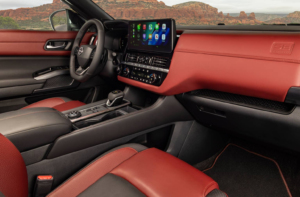
Modern family vehicles come equipped with various infotainment and connectivity options to enhance passenger experience.
| Technology Feature | Purpose |
|---|---|
| Infotainment System | Provides audio and navigation controls. |
| Rear-Seat Screens | Keeps passengers entertained during long trips. |
| USB Charging Ports | Ensures devices remain charged on the go. |
| Wi-Fi Connectivity | Allows internet access on the move. |
6. Convenience Features
Practical features can enhance usability and improve the overall driving experience.
| Convenience Feature | Benefit |
|---|---|
| Keyless Entry | Allows easy vehicle access without manual unlocking. |
| Power Sliding Doors | Facilitates easier access for children and passengers. |
| Hands-Free Liftgate | Enables trunk access even when hands are full. |
7. Budget and Total Cost of Ownership
Setting a realistic budget while considering long-term costs is essential.
| Cost Consideration | Explanation |
|---|---|
| Initial Purchase Price | Includes base price and optional features. |
| Insurance Costs | Varies by model, safety rating, and driver history. |
| Maintenance & Repairs | Consider warranties and expected maintenance expenses. |
| Resale Value | Some vehicles retain value better than others. |
Selecting the right family car requires balancing safety, space, efficiency, and cost. SUVs and minivans typically provide more room and versatility, while sedans offer affordability and efficiency. Evaluating personal needs and future requirements will help in making an informed decision.
Check out more in the Buying Guides & Tips section.