
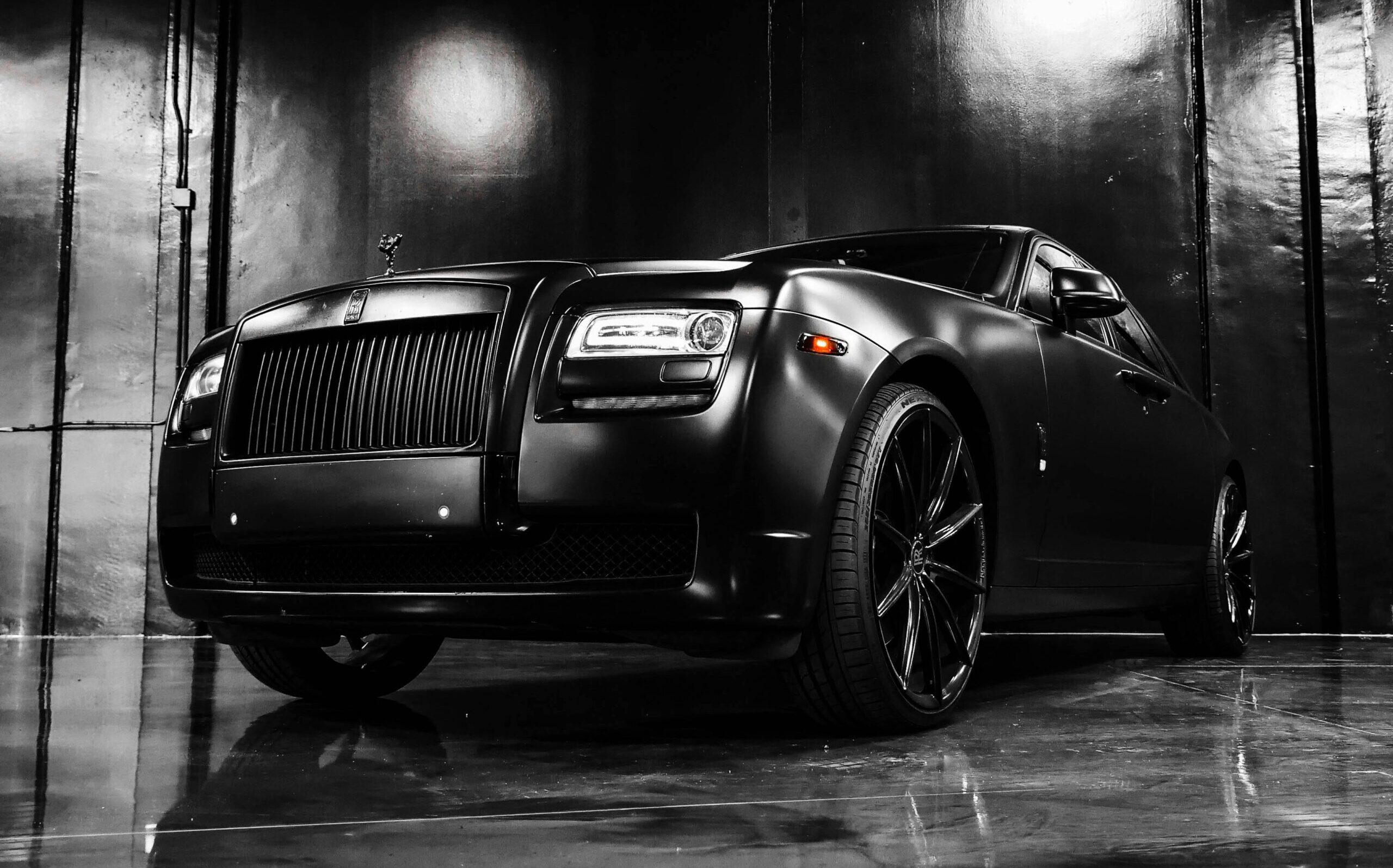
Luxury cars are often associated with high performance, premium materials, and cutting-edge technology. However, these benefits come at a significant cost. Is the premium price tag justified, or can a budget-friendly vehicle offer similar value? In this article, we break down the key differences between luxury and budget cars to help you make an informed decision.
1. Comfort and Interior Quality
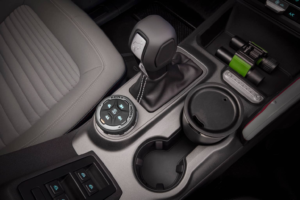
One of the most notable distinctions between luxury and budget cars is the level of comfort and quality of materials used in the interior.
| Feature | Luxury Cars | Budget Cars |
|---|---|---|
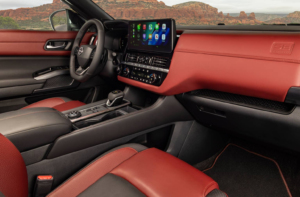
| Seat Material | Fine leather, real wood, metal accents | Cloth, synthetic leather, plastic trims |
| Seating Comfort | Heated, cooled, massaging seats | Standard seats with manual adjustments |
| Cabin Noise | Soundproofing for a quiet ride | Minimal insulation, higher road noise |
Luxury vehicles provide a more refined driving experience with premium materials and ergonomic designs. While budget cars have improved in interior quality, they generally lack the plush finishes and advanced seating adjustments of their high-end counterparts.
2. Performance and Handling
Performance is another area where luxury cars excel, often featuring powerful engines and advanced suspension systems.
| Aspect | Luxury Cars | Budget Cars |
|---|---|---|
| Engine Power | High-performance V6, V8, or turbocharged engines | Smaller, fuel-efficient engines |
| Handling | Adaptive suspension, precise steering | Basic suspension, standard handling |
| Acceleration | Faster acceleration, sportier drive | Focus on efficiency rather than speed |
For those who prioritize driving dynamics, a luxury car offers a more engaging experience. However, for everyday commuting and city driving, a budget car provides sufficient performance at a lower cost.
3. Technology and Features
Luxury vehicles often lead in technological advancements, incorporating the latest infotainment and driver assistance features.
| Feature | Luxury Cars | Budget Cars |
|---|---|---|
| Infotainment | Large touchscreen, premium sound system | Basic touchscreen, standard audio system |
| Safety Tech | Advanced driver-assistance features | Standard safety features |
| Connectivity | Wi-Fi, Apple CarPlay, Android Auto | Limited smartphone integration |
While budget cars now offer many high-tech features, they are often scaled-down versions of those found in luxury models.
4. Reliability and Running Costs
Reliability and cost of ownership are key considerations when choosing between a luxury or budget car.
| Factor | Luxury Cars | Budget Cars |
|---|---|---|
| Maintenance Cost | High due to complex parts and repairs | Lower maintenance and repair costs |
| Insurance | Higher due to vehicle value and repairs | More affordable premiums |
| Fuel Efficiency | Lower MPG due to powerful engines | Higher MPG, fuel-efficient models |
Budget cars are generally more economical to maintain and insure, making them a practical choice for cost-conscious buyers.
5. Resale Value
Depreciation affects both luxury and budget cars differently.
| Factor | Luxury Cars | Budget Cars |
|---|---|---|
| Depreciation | Higher initial depreciation | Slower value decline |
| Long-Term Value | Retains value if from a reputable brand | More stable resale prices |
Luxury cars tend to depreciate faster initially, whereas budget cars maintain their value better over time.
Check out more in the Buying Guides & Tips section.