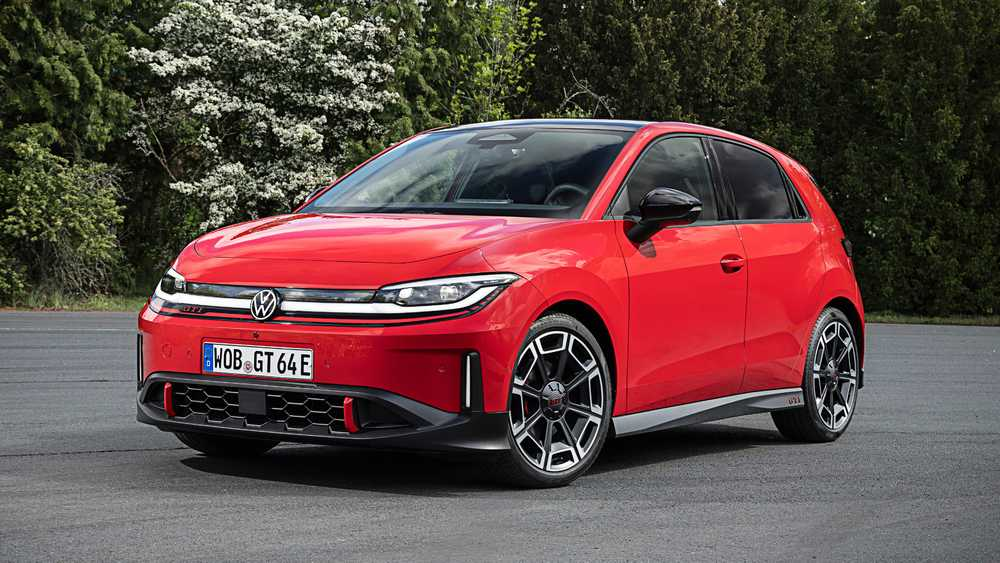
Volkswagen is preparing to reduce its vehicle lineup as the automaker faces mounting pressure from Chinese competitors, U.S. tariffs and slower-than-expected demand for electric vehicles. The planned cuts could eliminate as much as 50% of models and variants across the Volkswagen Group’s eight car brands, with Volkswagen brand chief Thomas Schäfer outlining a gradual approach that could reshape how the company develops and sells its vehicles.
Volkswagen Plans Gradual Cuts to Its Model Lineup
The Volkswagen Group, like other established automakers, is facing challenges that have forced it to consider significant cost reductions. The company has discussed measures that could include as many as 100,000 job cuts and multiple plant closures by 2030.
In July, the group also announced plans to reduce the number of models and variants across its eight car brands by as much as 50%. Schäfer, who leads the Volkswagen brand, has now provided more details about how the reduction could take shape.
Speaking with Autocar at this week’s Paris Motor Show, Schäfer acknowledged that Volkswagen would not be exempt from the changes. As the group’s largest brand by volume and the one with the most diverse lineup, Volkswagen is a central part of the effort to reduce costs and focus on more profitable vehicle segments.
However, Schäfer said the company would pursue a “natural transition” rather than abruptly eliminating models that are struggling to sell. Preparations for the lineup reduction have been underway for some time, including in response to Europe’s planned 2035 restrictions on sales of new gasoline- and diesel-powered cars.
Gas and Electric Models Could Be Combined
Schäfer did not identify specific vehicles that would be discontinued, but he offered examples of how Volkswagen could simplify its lineup. The company currently sells separate gasoline-powered and electric vehicles in the same segments, a strategy that could change as the group seeks to reduce duplication.
Under the potential approach, gasoline and electric models could be combined into a single vehicle line, or the combustion-engine version could eventually be phased out in favor of an EV.
Schäfer pointed to the Polo and ID. Polo subcompact hatchbacks, along with the T-Cross and ID. Cross subcompact SUVs, as examples of vehicles that illustrate the strategy.
The same approach could potentially affect the Tiguan lineup in the United States. Volkswagen’s U.S.-bound ID. Tiguan could eventually be merged with the gasoline-powered Tiguan or replace it, although no specific decision was detailed.
Volkswagen Group Brands Will Focus on Different Segments
The restructuring will also involve decisions about which vehicle segments each brand serves. Some Volkswagen Group brands could withdraw from certain categories, while others continue offering vehicles in those markets.
Schäfer cited the planned production version of the ID. Every1 minicar concept as an example. Although the Volkswagen Group has previously offered electric minicars under multiple brands, Volkswagen will be the only brand in the group to offer one in the future, reflecting limited demand for vehicles in that segment.
The move would allow the group to concentrate its efforts rather than spread development resources across multiple brands competing in a market with limited demand.
Volkswagen Group Will Streamline Vehicle Development
Alongside reducing the number of models and variants, Volkswagen plans to change how its brands develop vehicles. Multiple brands will continue competing in the same segments with distinct products, but they will work together more closely from the beginning of the development process.
Instead of each brand independently developing a vehicle around shared mechanical components, one brand will take the lead and handle most of the development work. Other brands can then benefit from closer collaboration, helping the group reduce costs and eliminate duplicated efforts.
Volkswagen’s planned lineup reduction will therefore involve more than discontinuing individual models. The strategy also includes consolidating overlapping vehicles, assigning brands more focused roles and coordinating development across the group as the automaker responds to competitive pressure and changing demand.