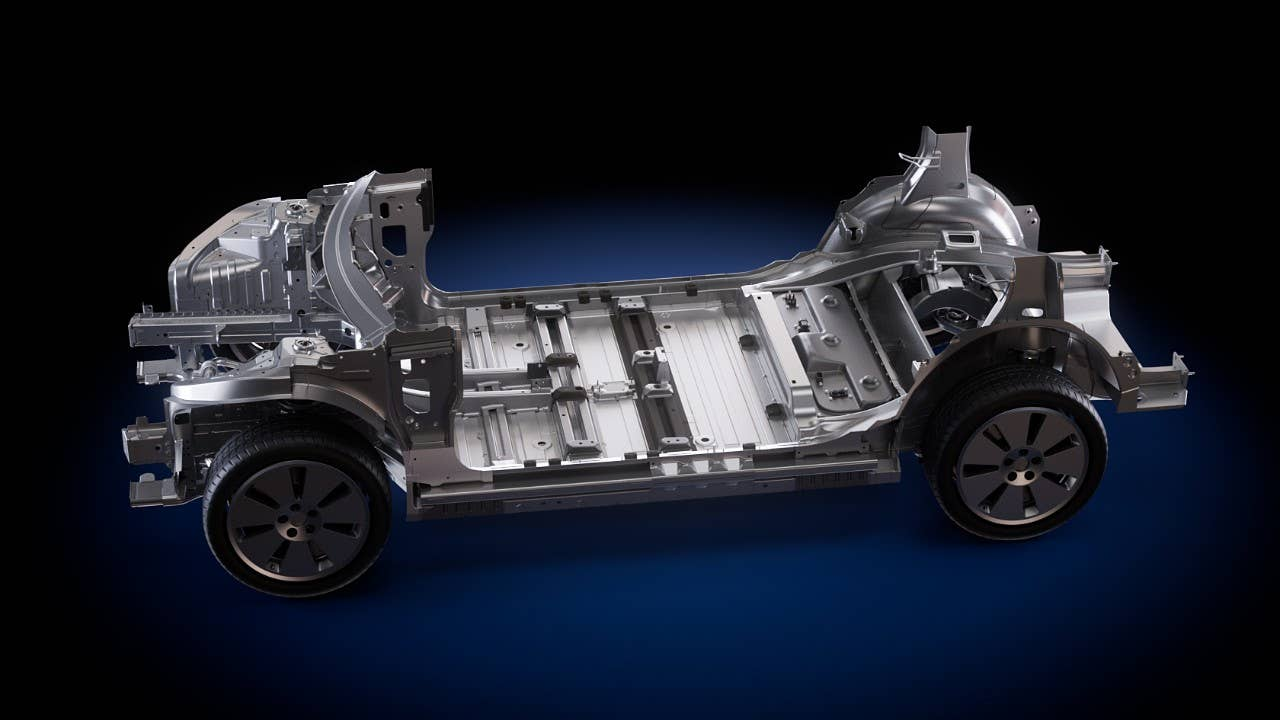
General Motors is continuing to develop electric vehicles despite scaling back some of its previous EV ambitions and renewing its focus on hybrids and gasoline-powered models. The automaker has outlined its fourth-generation EV platform, targeting approximately 20% more driving range per kilowatt-hour, simpler vehicle hardware and faster development timelines.
The planned upgrades cover battery technology, electric motors, electrical architecture, computing hardware and factory production. However, the figures represent engineering targets and early development results, not confirmed performance gains in production vehicles.
GM Develops New Battery Technology for Future EVs
One of the biggest changes is the planned use of lithium manganese-rich (LMR) prismatic battery cells, which will be produced through a joint venture with LG Energy Solution in Spring Hill, Tennessee.
The new battery chemistry is designed to deliver 33% greater energy density than lithium iron phosphate (LFP) batteries, which are commonly associated with lower-cost electric vehicles.
Higher energy density could allow GM to use smaller, lighter battery packs while maintaining competitive driving range. The LMR batteries are also designed to cost about the same as LFP batteries, potentially helping the automaker develop more affordable electric vehicles.
The fourth-generation platform targets approximately 20% more range per kilowatt-hour than GM’s current EVs. The projected improvement combines the new battery chemistry with more efficient electric drive units and better aerodynamics.
New EV Platform Simplifies Motors and Electrical Systems
GM is redesigning its electric motors and power electronics to reduce hardware complexity. The new components are expected to cut the number of parts within each drive unit by 40%.
A revised electrical architecture is designed to use 30% less wiring and fewer control modules. These changes aim to simplify vehicle construction and reduce the complexity of the systems used in electric vehicles.
The platform will also feature centralized computing hardware designed to deliver 40 times more processing power for artificial intelligence-enabled features. Potential applications include more responsive infotainment systems, improved energy management and future enhancements to Super Cruise.
The projected gains will ultimately depend on how the technology performs in production vehicles. Battery life, manufacturing costs, vehicle prices and real-world driving range remain key measures of whether the engineering targets translate into practical benefits.
GM Targets a 50% Reduction in EV Development Time
Beyond the vehicles themselves, GM is changing how it develops and manufactures electric vehicles. Its revised engineering process brings designers, engineers and manufacturing teams together earlier, allowing them to evaluate multiple configurations before committing to physical components.
The automaker expects this approach to cut the traditional five-year vehicle development timeline in half. It has also used computer modeling to evaluate more than 300,000 LMR battery designs before building a physical prototype.
Digital manufacturing tools have also helped accelerate battery-pack assembly by 30% at GM’s battery-pack facilities.
The fourth-generation architecture is designed to let vehicles check their electrical connections as they move along the assembly line. This could eliminate the need for a separate validation step.
GM’s Fourth-Generation EV Platform: Key Targets
- Energy efficiency: Approximately 20% more driving range per kilowatt-hour.
- Battery energy density: 33% greater energy density than LFP batteries.
- Battery cost: LMR batteries designed to cost about the same as LFP batteries.
- Electric drive units: 40% fewer components in motors and power electronics.
- Electrical architecture: 30% less wiring and fewer control modules.
- Computing power: 40 times more processing power for AI-enabled features.
- Vehicle development: A target of cutting the traditional five-year development timeline in half.
- Battery development: More than 300,000 battery designs evaluated virtually before physical prototyping.
- Factory production: Battery-pack assembly made 30% faster through digital manufacturing tools.
- Electrical validation: Electrical connections checked during assembly, potentially eliminating a separate validation step.
Launch Dates and EV Prices Remain Unannounced
The planned changes could help GM shorten development cycles and reduce manufacturing expenses. However, no firm launch date or detailed production schedule has been announced for the fourth-generation electric vehicles.
The platform remains under development, and the projected improvements have not yet been confirmed in production models. Pricing, real-world driving range and the timing of vehicle launches remain outstanding details.
GM continues to pursue electric vehicle technology while adjusting its broader vehicle strategy. The success of its fourth-generation platform will depend on whether its engineering targets translate into measurable improvements in efficiency, affordability and manufacturing.