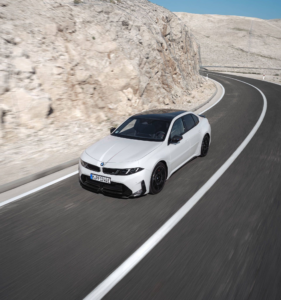
Polestar is preparing to challenge BMW with its next-generation Polestar 2, which is scheduled to arrive in 2027 with a sharper driving experience designed to outperform the upcoming BMW i3. The Geely-owned automaker is making clear that it wants to compete on driving dynamics, not just electric range, charging speed and acceleration.
Polestar’s ambitions come as the company maintains steady global sales growth. The automaker recorded its best-ever third quarter in 2026, delivering 14,371 vehicles worldwide, up 1% year over year. Through September, deliveries reached 44,790 cars, an increase of 0.6% compared with the first nine months of 2025.
Polestar 2 Takes Aim at the BMW i3
Joakim Rydholm, Polestar’s head of driving dynamics, has identified the new BMW i3 as a key target for the next-generation Polestar 2. Rydholm believes the Swedish electric sedan will outperform its German rival when it arrives in 2027, with a particular focus on delivering a more engaging driving experience.
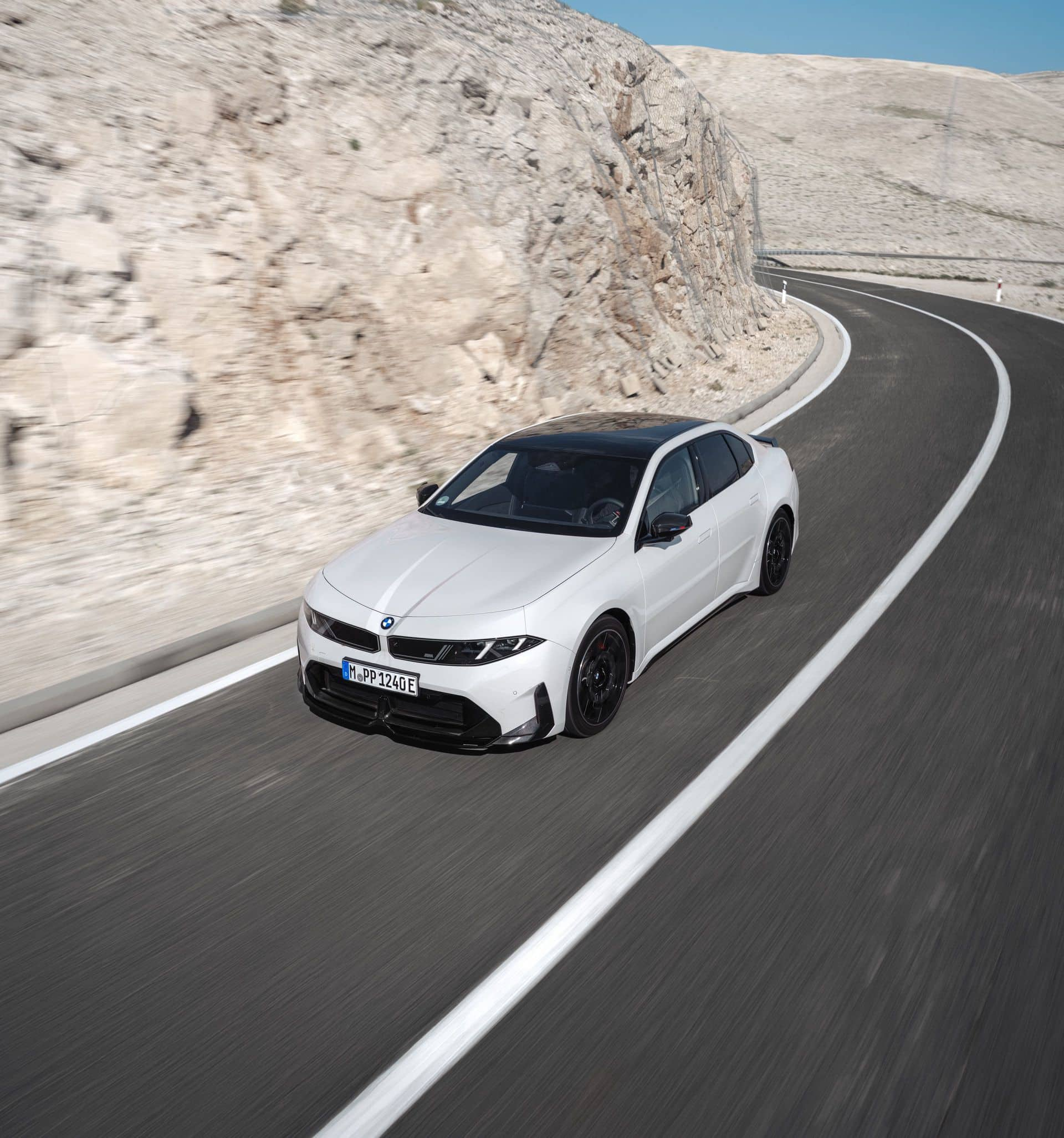
The challenge is significant. BMW’s i3 is preparing to enter the market, and the automaker has already revealed an M Performance version. Although BMW has not released the car’s technical specifications, the i3 M60 is expected to use hardware similar to that of the iX3 M60 in a lower-slung sedan body.
BMW i3 M60 Brings Serious Electric Performance
The BMW iX3 M60 features a dual-motor powertrain producing 603 horsepower and 875 Nm (645 lb-ft) of torque. That output enables the electric crossover to accelerate from zero to 62 mph (100 km/h) in 3.9 seconds.
The iX3 M60 has a top speed of 149 mph (240 km/h) and a range of 754 kilometers (468 miles) on a single charge. The equivalent i3 M60 could be slightly quicker and more efficient because of its lower weight and more aerodynamic sedan body, although its specifications have not yet been disclosed.
The BMW i3 M60 is not the only performance model Polestar must consider. The fully fledged electric BMW M3 is also scheduled to arrive next year, with a confirmed quad-motor setup that is expected to place it in a different performance category.
Electric BMW M3 Adds to Polestar’s Challenge
BMW’s upcoming electric M3, identified by the ZA0 designation, is due next year. Its quad-motor configuration adds another dimension to the competition as Polestar prepares to position the next-generation Polestar 2 against BMW’s expanding electric lineup.
BMW does not have to contend with Polestar in the United States in the same way it does in Europe and other markets. New regulations have effectively barred the Swedish brand from selling new cars in the U.S. beginning with the 2027 model year, while Polestar remains a competitor in markets where BMW is pursuing electric-vehicle buyers.
Polestar Wants More Than a Numbers Battle
Polestar’s strategy centers on making driving dynamics a defining feature of the next-generation Polestar 2. Rather than focusing exclusively on range, charging speed and acceleration, the company is promising a sharper driving experience that can challenge BMW’s electric sedans.
Whether the next-generation Polestar 2 can deliver better handling than the new BMW i3 remains to be seen. For now, the company has made its target clear as it prepares for the model’s planned 2027 launch.