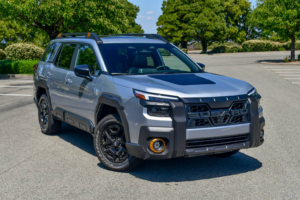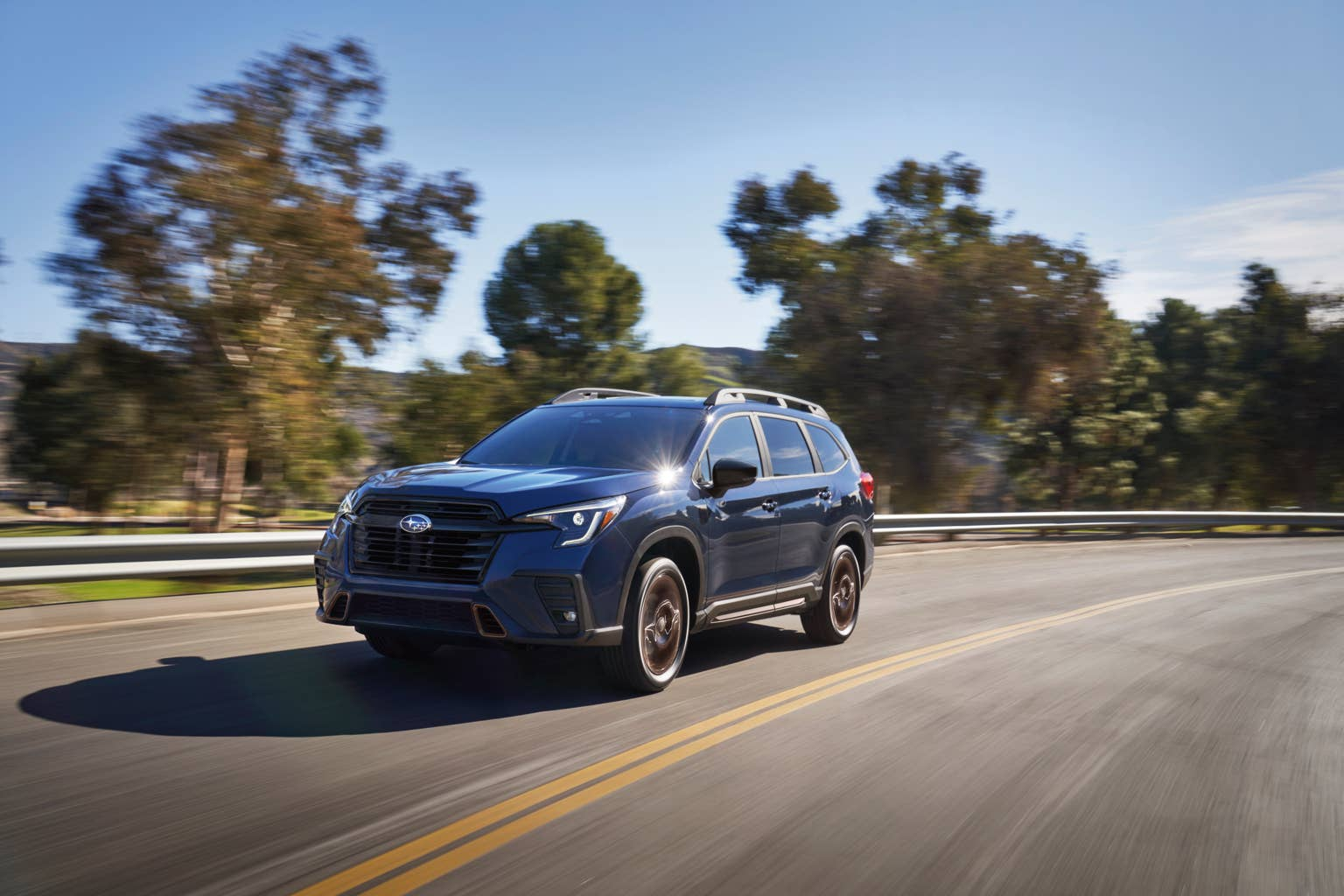
Subaru is increasing destination charges by $50 across its 2027 vehicle lineup, raising the total cost of buying a new car or SUV without changing the manufacturer’s suggested retail price (MSRP). The higher fees apply to orders placed on or after October 22, with destination charges ranging from $1,295 to $1,545 depending on the model.
Although the increase may appear modest, destination charges add to the final purchase price and can complicate comparisons between vehicles. Because these fees are not always included in advertised headline prices, buyers may overlook the additional cost when shopping for a new Subaru.
2027 Subaru Destination Fees by Model
The $50 increase applies across three groups of Subaru vehicles. Each category receives the same dollar increase, although the final destination charge varies by model.
- Ascent, Outback and Trailseeker: Destination charges increase from $1,495 in 2026 to $1,545 in 2027.
- Crosstrek, Forester, Uncharted and Solterra: Fees rise from $1,475 to $1,525.
- Impreza, BRZ and WRX: Charges increase from $1,245 to $1,295.
Each adjustment represents an increase of approximately 3% to 4%. The new charges apply to orders placed on or after October 22.
Why Subaru Is Increasing Destination Charges
Destination fees have become an increasingly significant part of the cost of purchasing a new vehicle. The average U.S. destination charge climbed from $952 in 2015 to $1,592 in 2026, representing a 67% increase.
Higher fuel costs are among the explanations automakers use to justify rising destination charges. These fees also allow manufacturers to increase the overall amount customers pay without changing the advertised MSRP.
Destination charges must appear on a vehicle’s window sticker, but they do not necessarily appear in the headline price advertised to shoppers. As a result, buyers who focus exclusively on the MSRP may underestimate the vehicle’s total cost.
How Subaru’s Destination Fees Compare With Competitors
Despite the increase, Subaru’s destination charges remain lower than those of several competing automakers, particularly in the SUV segment.
- Subaru: $1,545 for the Ascent, Outback and Trailseeker.
- Nissan: $1,545.
- Toyota and Honda: $1,595.
- Mazda: $1,645.
- Chevrolet: $1,995.
- Ford: $2,045.
Full-size trucks carry some of the highest destination charges, with Ford and General Motors charging as much as $2,895 on their largest models.
These comparisons show that Subaru’s new fees remain below those of several competitors. The increase reflects a broader industry trend rather than an unusually high charge compared with other automakers.
How Buyers Can Compare New Car Prices
Automakers set destination charges, and the fees remain the same regardless of how far a customer lives from the factory. Because buyers generally cannot negotiate the charge itself, comparing the total vehicle price becomes especially important.
Shoppers should compare out-the-door prices rather than relying solely on advertised MSRPs. Accounting for destination charges when evaluating competing vehicles provides a clearer picture of the final purchase cost.
Two vehicles with similar advertised prices can end up hundreds of dollars apart once their destination fees are included. Comparing the full cost of each vehicle can help buyers identify those differences before making a purchase.
Subaru’s $50 destination fee increase will affect its 2027 lineup for orders placed on or after October 22. Although the adjustment is relatively small, it reinforces the importance of including destination charges when comparing new vehicle prices.