Tesla CEO Elon Musk is targeting annual production of 5 million vehicles by 2030, with the company’s Full Self-Driving (FSD) software expected to play a central role in that growth. The ambitious goal comes as Tesla works to recover from declining vehicle sales, expand its robotaxi operations and invest in humanoid robotics while facing growing competition from established automakers.
Tesla Targets 5 Million Vehicles a Year by 2030
Musk outlined the production target during a recent earnings call, arguing that Tesla’s growth will be driven almost entirely by its Full Self-Driving software. He also claimed that the technology currently has no true competitor.
Tesla sold a peak of 1.8 million vehicles in 2023 before deliveries fell to roughly 1.6 million last year. Reaching 5 million vehicles annually would require the company to close a substantial gap between its current sales volume and its long-term target.
Established automakers are also developing competing autonomous-driving technologies. BMW and Mercedes are among the companies advancing their own systems for mainstream consumers.
Tesla currently has global production capacity of just over 2.5 million vehicles across facilities in California, Texas, China and Germany. Reaching Musk’s 5-million-vehicle goal would present a significant production challenge, particularly without announced plans for additional vehicle assembly plants.
Tesla FSD Subscriptions and Customer Retention
Tesla executives say the company has more than 1.7 million paying Full Self-Driving customers worldwide. In North America, roughly 75% of buyers reportedly choose the $99 monthly software subscription when their vehicles are delivered.
Executives declined to disclose actual customer retention rates, leaving a key measure of the subscription business unclear. At the same time, some early adopters are demanding substantial refunds for autonomous-driving features they purchased years ago but say remain unfulfilled.
The combination of subscription growth and refund demands highlights the importance of Tesla’s software business as the company pursues its broader automation strategy.
Cybercab and Robotaxi Expansion Drive Tesla’s Plans
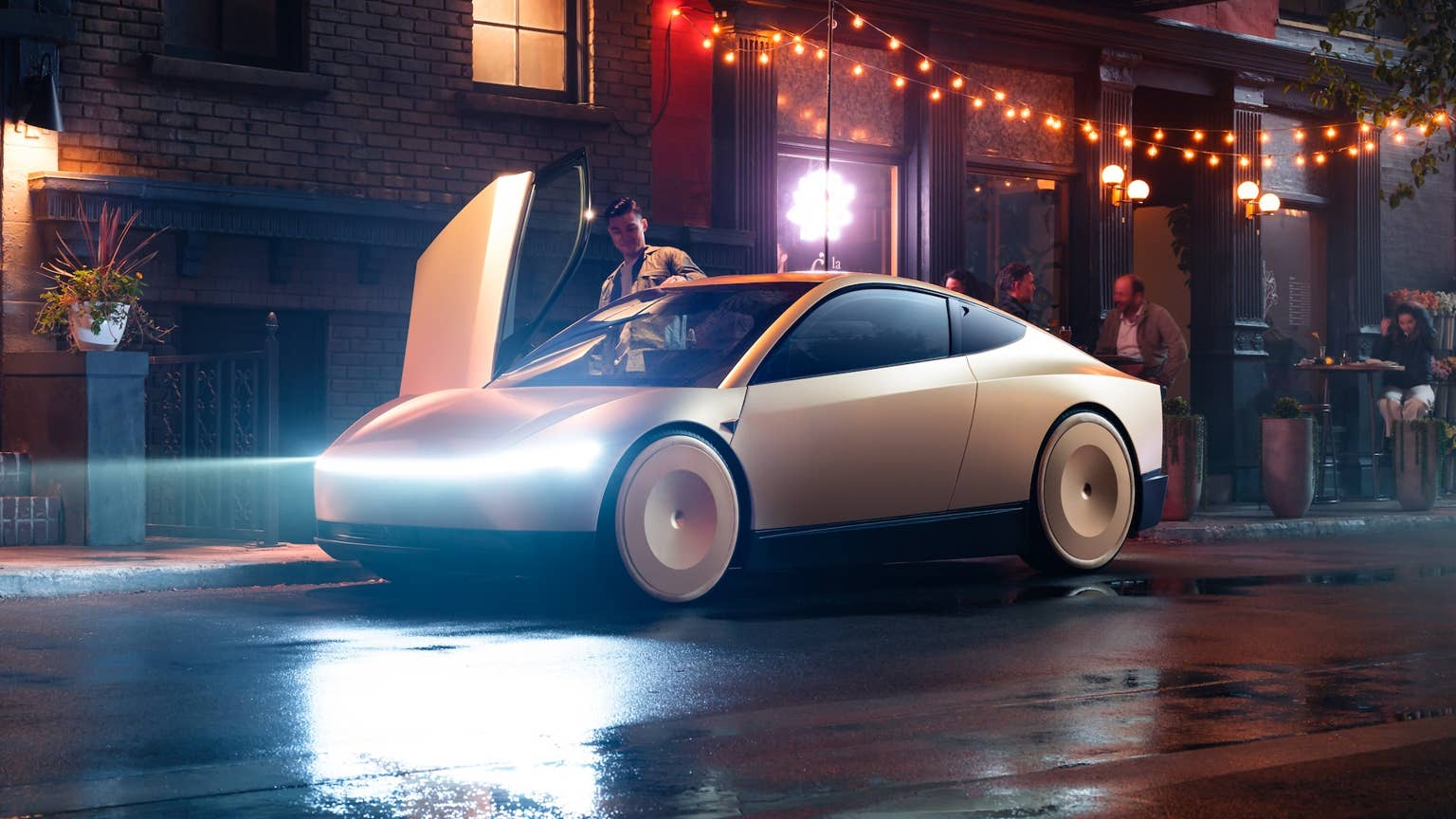
Tesla expects its recently launched Cybercab to become the company’s volume leader. The automaker has also begun testing robotaxis in Austin and currently operates its autonomous service in six cities across Texas and Florida.
The company plans to launch its service in Las Vegas and Phoenix. Musk has argued that robotaxis and Tesla’s Optimus humanoid robot will eventually account for the vast majority of the company’s future corporate value.
That strategy represents a major shift toward automation, with Tesla placing increasing emphasis on autonomous transportation and robotics alongside its traditional vehicle business.
EV Buyers Prioritize Affordability and Practicality
Tesla’s automation push comes as consumer preferences across the electric vehicle market continue to shift. As bargains on used electric vehicles become increasingly scarce, mainstream shoppers are prioritizing affordable and practical electric models over expensive driving software packages.
These changing preferences are putting pressure on electric vehicle manufacturers to adapt their sales strategies to consumer demand.
Falling Profits Add Pressure to Tesla’s Growth Strategy
Tesla reported a substantial vehicle order backlog in the third quarter, but its net income fell 43% to $787 million. Flat revenue and declining profits underscore the financial pressure associated with funding experimental robotics programs.
Competition is also intensifying as rival automakers introduce new electric vehicles. Hyundai sales jumped significantly as traditional brands expanded their electric lineups to address changing consumer preferences.
Tesla is increasingly positioning itself as an artificial intelligence and robotics company rather than solely as a traditional automaker. However, it still depends on consumer vehicle sales, while its plans for software subscriptions and robotaxi fleets carry significant financial risks.
For Tesla to support its ambitious long-term production targets, its autonomous fleets will need to demonstrate that they can generate sustainable profits while the company continues to navigate changing market demand and intensifying competition.