Tesla’s 4680 battery technology is facing another major test as the company prepares to deliver its Roadster, following charging-performance complaints involving the Model Y and Cybertruck. Tesla says the new Roadster will use specially designed 4680 cells with improved cooling and chemistry, potentially addressing problems that have affected earlier applications. However, the electric sports car has yet to reach customers, leaving those performance claims unproven.
Tesla Model Y Exposed Early 4680 Battery Problems
At its 2020 Battery Day, Elon Musk announced that Tesla would move away from 2170 battery cells in favor of the larger 4680 format. The new cells eventually appeared in battery packs for the 2023 Tesla Model Y and later the Cybertruck.
Measuring 46 millimeters in diameter and 80 millimeters tall, the 4680 cells were presented as a significant improvement over their predecessors. Musk said they could deliver up to five times the capacity and up to six times the power of a 2170 cell.
Tesla also considered changes to the battery chemistry, including a high-nickel cathode and a silicon anode. Despite those ambitions, the technology encountered problems after reaching production vehicles.
Owners of the 2023 Tesla Model Y AWD equipped with 4680 cells reported disappointing charging performance. Tesla eventually canceled the 4680 version of the Model Y, marking an early setback for the company’s battery strategy.
Tesla Cybertruck’s Cybercells Failed to Resolve Charging Concerns
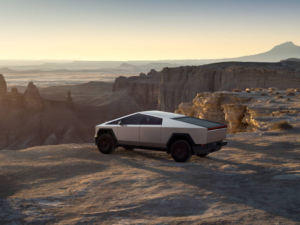
The Cybertruck became the next major application for Tesla’s 4680 battery technology. However, the pickup used revised versions of the cells known as Cybercells, rather than simply adopting the original design.
Tesla said the revised cells offered 10% higher energy density, although their performance was roughly on par with the 2170 cells they replaced.
Charging remained a concern for Cybertruck owners. Customers reported that charging from 10% to 80% state of charge could take more than 30 minutes, reinforcing complaints about the battery system’s performance.
Tesla attempted to address the issue through a software update and the rollout of its 800-volt charging standard. Those measures did little to improve the Cybertruck’s reputation for charging performance.
Tesla Roadster Promises a Different 4680 Battery Design
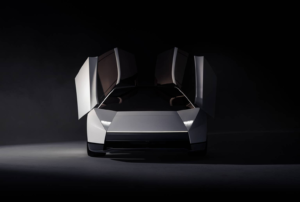
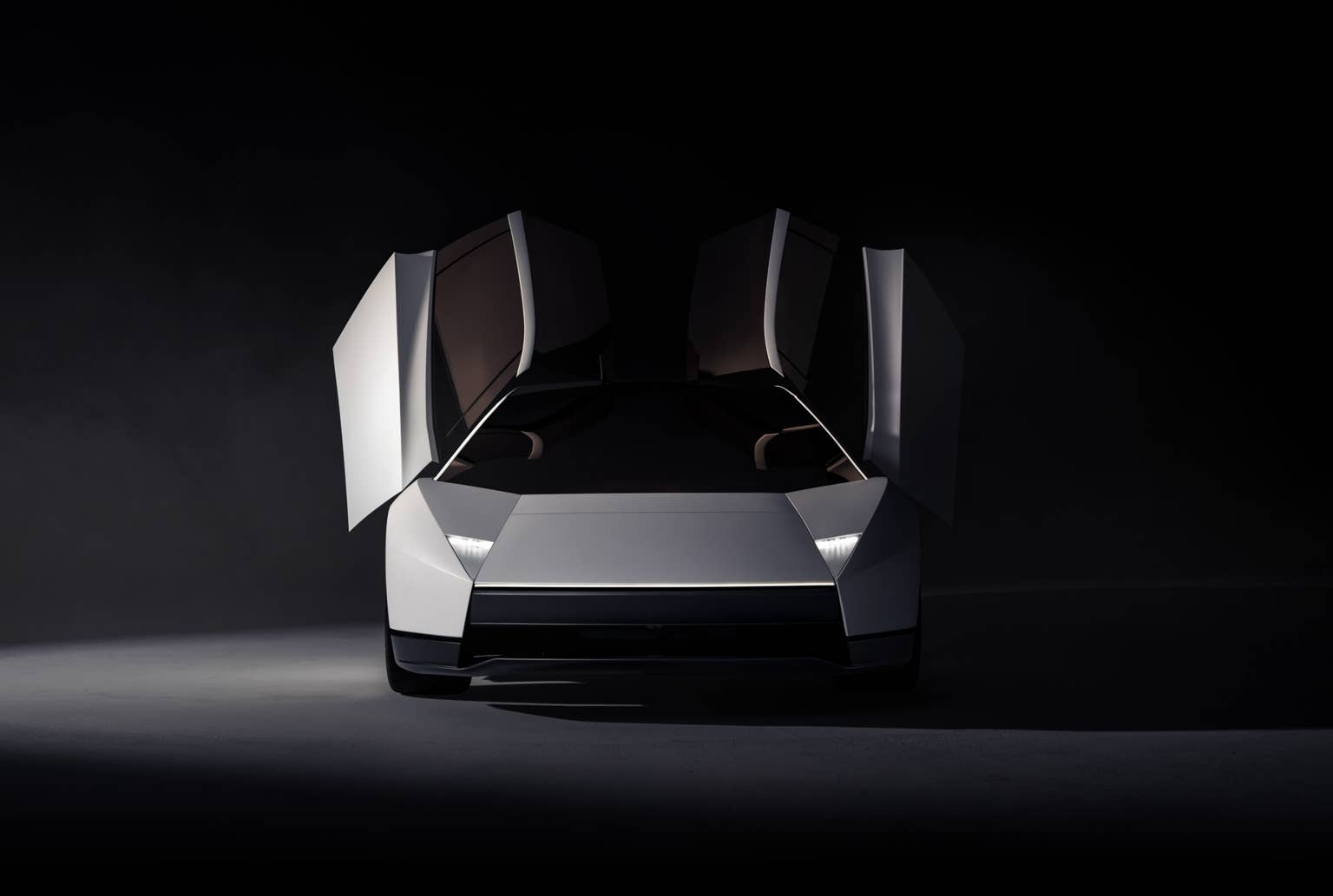
Following the Tesla Roadster’s launch on October 15 this year, reports indicated that the electric sports car would also use 4680 cells. While attention focused heavily on the vehicle’s thruster demonstration, the battery choice renewed questions about whether Tesla had resolved the shortcomings associated with the technology.
Tesla’s chief of engineering, Lars Moraby, said the Roadster uses “special cells” featuring specialized chemistry designed to improve charging performance compared with the Cybertruck.
The Roadster’s 4680 cells also use aluminum rather than steel for their housings. That change is intended to improve heat dissipation and, in theory, support faster charging.
Improved Cooling Could Address Tesla’s Battery Weakness
Subpar thermal management was identified as the main reason for the charging-performance problems experienced by the Cybertruck and Model Y. The Roadster is expected to use double-sided cooling jackets that cool each 4680 cell individually.
Improved cooling could benefit both charging and driving performance. According to Moraby, Roadster owners will be able to drive the car on a track for approximately 20 minutes at a time, while charging from 10% to 80% would take just 10 minutes.
These figures represent claims about the Roadster’s expected capabilities rather than results demonstrated in a delivered production vehicle.
Tesla Roadster Battery Claims Remain Unproven
Tesla has yet to deliver the Roadster to customers, even as the company is asking interested buyers to pay a substantial amount to reserve one.
The new battery design may address the charging and thermal-management issues associated with earlier 4680 applications, but its real-world performance remains unconfirmed. Until the Roadster reaches customers, Tesla’s claims about faster charging and sustained track performance will remain promises awaiting verification.