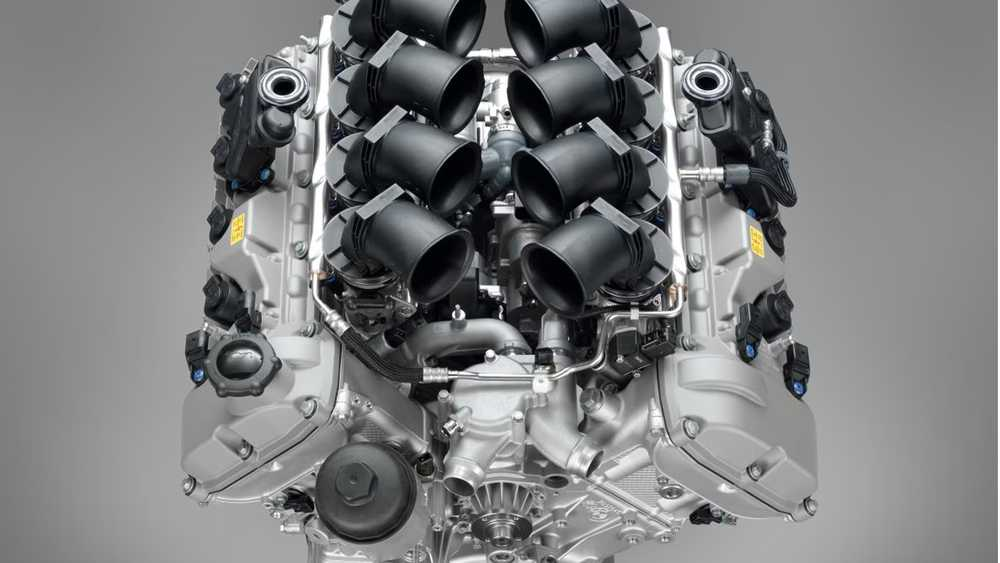
BMW is exploring a new technology that could help engines run cleaner for longer and potentially extend oil change intervals. The proposed centrifugal air-oil separator is designed to remove oil from crankcase gases, helping preserve engine oil while reducing carbon buildup on intake valves.
The system could offer two major benefits: longer-lasting engine oil and cleaner intake components. However, the technology remains a patent concept and has not been confirmed for production vehicles.
How BMW’s New Air-Oil Separator Works
BMW’s invention uses a centrifugal separator designed to separate engine oil from gases inside the crankcase. The system directs high-pressure air from the crankcase into a housing containing a spinning rotor.
When the oil-and-air mixture reaches the rotor, oil adheres to its surface. As the rotor spins at high speed, centrifugal force throws the oil against the housing, separating it from the gases.
The collected oil then moves to the bottom of the separator and returns to the engine’s oil sump, while the gases pass through the device.
By removing contaminants from the oil, the system could help it remain effective for longer periods. That could mean fewer oil changes and less frequent dealership maintenance visits.
The patent also addresses lubrication for the rotor’s bearing, which can be affected by gases entering the assembly. BMW describes a solution to that issue, although bearing lubrication is not the central innovation.
Why BMW Wants to Remove Crankcase Gases
Combustion engines are not completely sealed. During each engine cycle, small amounts of fuel-air mixture, including partially burned or unburned gases, can pass the piston rings and enter the crankcase.
The problem can become more pronounced in cold or worn engines, and water vapor can also accumulate inside the crankcase.
In older systems, some gases were allowed to escape through a breather, while fuel and water contamination could remain in the oil. Bringing the engine up to operating temperature helped address moisture, but fuel and other contaminants could persist until the next oil change.
How the System Could Reduce Carbon Buildup
Positive crankcase ventilation, or PCV, systems were introduced to help manage these gases. They route crankcase air and combustion byproducts back into the intake, where they can be burned during combustion.
However, conventional PCV systems can also carry oil vapor into the intake. That oil can contribute to carbon buildup on intake valves, a concern particularly associated with direct-injected engines.
BMW’s proposed separator aims to remove oil vapor from the gases before they return to the intake. The system could also prevent contaminants from circulating through the engine oil.
With less contamination, the oil could maintain its effectiveness for longer. Meanwhile, cleaner gases entering the intake could reduce oil-related deposits on the valves.
Could BMW’s Technology Improve Engine Reliability?
In theory, the separator is designed to operate in the background without requiring much attention. If it works as intended, it could help reduce oil contamination and intake carbon buildup.
Still, adding another mechanical component to an engine’s oil system could raise concerns among owners already facing the cost of synthetic oil, labor, carbon cleaning and repairs to complex PCV systems.
Some enthusiasts also change their oil more frequently than automakers recommend, with intervals of 3,000 to 5,000 miles commonly suggested for premium and performance-focused vehicles.
Those regular oil changes already remove contaminated oil, potentially addressing some of the same issues BMW’s separator is designed to tackle.
That leaves a question about whether owners would benefit more from relying on the new technology and extending service intervals, or continuing with frequent oil changes while avoiding another potential point of failure.
BMW’s Patent Is Not Yet a Production Technology
For now, BMW’s air-oil separator remains a patented concept rather than a confirmed feature for production vehicles.
If the system eventually reaches the market, its real-world performance will determine whether it becomes a useful tool for improving engine durability and reducing maintenance, or another component owners must monitor and repair.
BMW’s proposal offers a potential way to keep engine oil cleaner and reduce intake deposits, but its long-term reliability and practical benefits remain unproven.