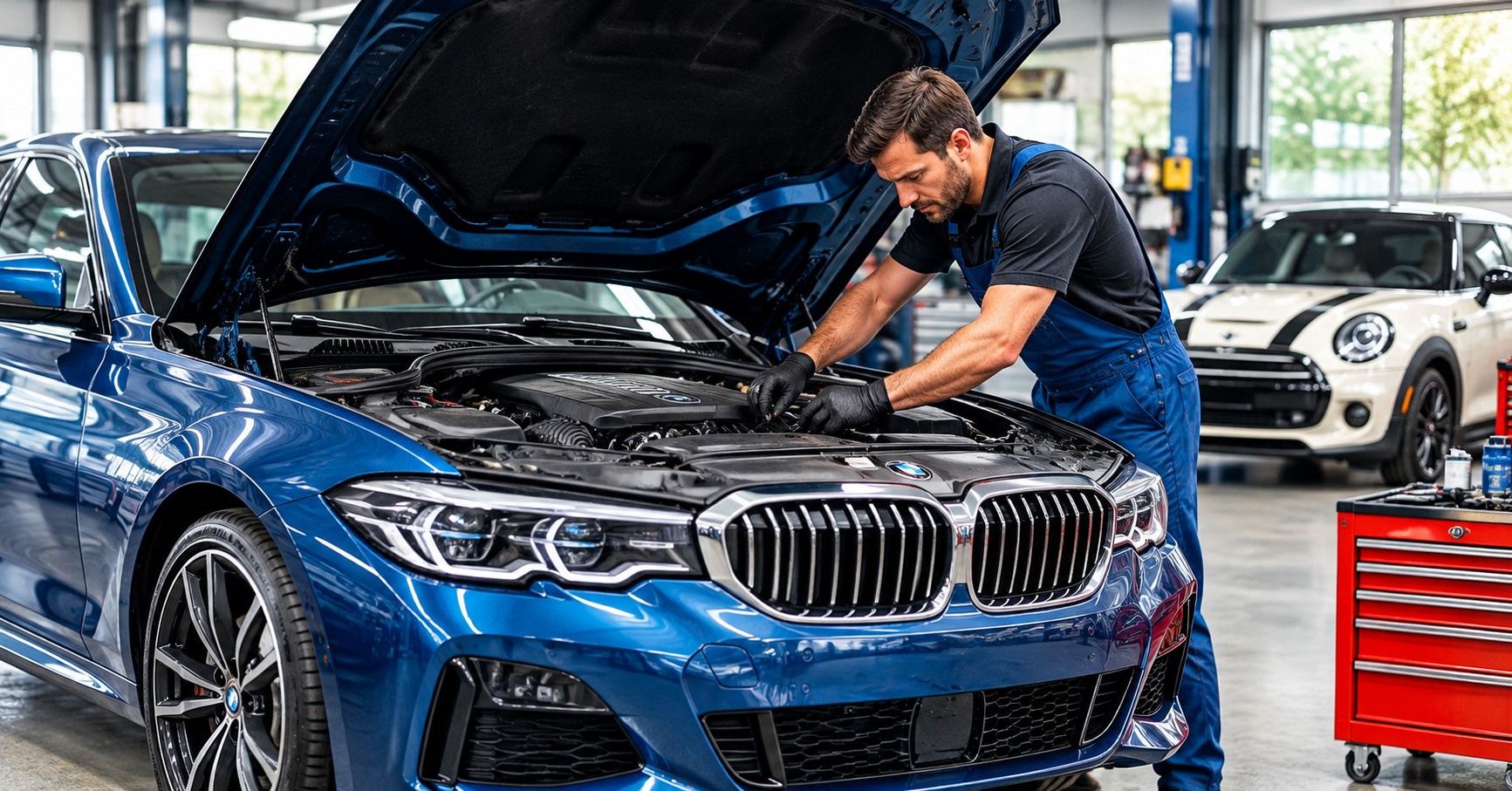
Owning a BMW is about more than getting from one destination to another. These vehicles are known for their driving dynamics, carefully engineered components, advanced technology, and premium comfort. However, maintaining those qualities requires attention to detail and a service approach that understands the engineering behind the brand. For drivers researching BMW repair in Lewisville, NC, finding a qualified specialist who understands BMW systems and maintenance requirements is an important part of protecting their investment.
BMW vehicles are designed with sophisticated engines, electronic systems, braking components, and cooling technologies. Although routine maintenance is essential for every vehicle, BMW owners can benefit from working with technicians who have experience with the specific requirements of these German automobiles. The same principle applies to MINI Cooper models, which have their own engineering characteristics and service considerations.
One option available to drivers in the Lewisville area is Motorsport Connections, a BMW and MINI Cooper specialist based in Winston-Salem, North Carolina. The company serves BMW and MINI Cooper owners in Lewisville and surrounding communities from its Winston-Salem repair shop. It operates from one physical service location rather than a separate Lewisville branch.
Why BMW Vehicles Require Specialized Maintenance
BMW engineering combines performance, efficiency, and advanced vehicle technology. Depending on the model and production year, a BMW may include turbocharged engines, sophisticated cooling systems, electronic engine management, advanced transmission controls, and integrated driver assistance features.
These systems are designed to work together. Consequently, a problem affecting one component can sometimes influence the performance of another. A warning light, for example, may indicate an issue that requires more than a basic visual inspection. Accurate diagnosis is important before deciding which repair is necessary.
Specialized maintenance can help BMW owners address several important areas:
- Engine performance: Regular inspections and appropriate maintenance help identify developing problems before they become more complicated.
- Cooling system operation: Coolant leaks, worn hoses, thermostat problems, and water pump issues can affect engine temperature and reliability.
- Electronic diagnostics: Modern BMW models rely on electronic modules and sensors that require appropriate diagnostic equipment and technical knowledge.
- Braking performance: Brake pads, rotors, sensors, and related components should be inspected according to vehicle condition and manufacturer specifications.
- Transmission operation: Changes in shifting behavior, unusual noises, or fluid-related concerns deserve professional attention.
- Suspension and steering: Worn bushings, tires, alignment issues, and suspension components can affect handling and ride quality.
Following an appropriate maintenance schedule is also important. Service needs vary according to the vehicle’s age, mileage, engine configuration, driving habits, and operating conditions. Therefore, a maintenance plan should reflect the actual requirements of the individual BMW rather than relying on a generic checklist.
Common BMW Problems That Should Not Be Ignored
Even well-maintained BMW vehicles can develop mechanical or electronic problems over time. Recognizing early warning signs gives owners an opportunity to investigate an issue before it causes additional damage.
1. Cooling System Leaks and Overheating
The cooling system plays a major role in protecting a BMW engine. It regulates operating temperature and helps prevent excessive heat from damaging internal components.
Potential warning signs include coolant level changes, visible fluid beneath the vehicle, unusual temperature readings, or warning messages on the instrument panel. Some owners may also notice a sweet smell associated with leaking coolant.
Cooling system problems should receive prompt attention. Continuing to drive an overheating vehicle can lead to serious engine damage. A proper inspection can help identify the source of a leak or malfunctioning component before additional problems develop.
2. Oil Leaks and Engine Maintenance
Oil is essential for lubricating moving engine components and controlling friction. However, seals and gaskets can deteriorate with age and heat exposure, potentially allowing oil to escape.
Common signs include oil spots on the driveway, a burning oil smell, visible residue around engine components, or a low oil level. BMW owners should investigate these symptoms rather than repeatedly adding oil without identifying the underlying cause.
Regular oil changes using the correct oil specification and an appropriate service interval can also help support long-term engine performance.
3. Electronic Warning Lights and Diagnostic Issues
BMW vehicles use sophisticated electronic systems to monitor engine performance, emissions, safety features, and other operating functions. When a sensor or system detects an abnormal condition, it may trigger a warning light or stored diagnostic fault.
A warning light does not always identify the exact component that needs replacement. Instead, it indicates that further investigation may be necessary. Replacing parts based only on assumptions can waste money and leave the original problem unresolved.
Professional diagnostics help technicians interpret fault information, evaluate related systems, and determine the appropriate next step.
4. Brake Wear and Stopping Performance
BMW braking systems are engineered to support the vehicle’s performance and handling characteristics. Nevertheless, brake pads and rotors wear during normal driving.
Drivers should pay attention to squealing, grinding, vibration during braking, changes in pedal feel, or dashboard brake warnings. These symptoms may indicate worn components or another issue within the braking system.
Regular brake inspections help identify wear and allow owners to address concerns before braking performance is compromised.
5. Suspension, Steering, and Tire Problems
A BMW’s handling depends on the condition of its suspension, steering, wheels, and tires. Worn suspension bushings, damaged components, incorrect tire pressure, and alignment problems can change the way the vehicle responds on the road.
Uneven tire wear, steering vibration, unusual noises over bumps, or a vehicle pulling to one side are reasons to schedule an inspection.
Addressing these concerns can improve driving comfort while helping maintain predictable handling and tire performance.
BMW Scheduled Maintenance: Why Consistency Matters
Preventive maintenance is one of the most effective ways to protect a vehicle over time. Rather than waiting until a warning light appears or a component fails, BMW owners should follow a maintenance plan based on their model’s requirements and actual operating conditions.
Depending on the vehicle, scheduled service may include:
- Engine oil and filter replacement.
- Engine air filter and cabin air filter inspections.
- Brake pad, rotor, and brake fluid inspections.
- Coolant condition and cooling system inspections.
- Battery and charging system checks.
- Tire condition and pressure inspections.
- Wheel alignment assessments when needed.
- Transmission and drivetrain inspections according to applicable service requirements.
- Electronic system scans and diagnostic evaluations when indicated.
Maintenance intervals should not be treated as identical for every BMW. A vehicle driven frequently in stop-and-go traffic may experience different wear patterns from one used primarily for longer highway trips. Similarly, an older BMW may need additional attention to rubber components, seals, cooling system parts, and suspension hardware.
Keeping service records is another useful habit. Documentation helps establish which maintenance items have already been completed and provides valuable information when diagnosing recurring concerns.
BMW Repair Lewisville NC: Choosing the Right Specialist
Drivers searching for BMW repair in Lewisville, NC, should consider more than the distance to a repair facility. The technician’s experience with BMW vehicles, diagnostic capabilities, repair procedures, and parts quality can all influence the service experience.
Before choosing a specialist, consider several practical questions.
Does the Shop Understand BMW Engineering?
BMW models can differ significantly in engine design, electronic architecture, and maintenance requirements. Experience with the brand can help technicians understand common problems and identify the correct diagnostic procedures for a particular model.
Does the Facility Have Appropriate Diagnostic Equipment?
Modern vehicles require more than basic mechanical tools. BMW-specific diagnostic capabilities can help technicians access fault information, evaluate electronic systems, and investigate problems more accurately.
Are Quality Replacement Parts Used?
Replacement part selection matters, particularly for vehicles with sophisticated mechanical and electronic systems. Original Equipment Manufacturer (OEM) parts are designed to meet the specifications of the relevant vehicle applications.
Owners should ask which parts are being recommended, why they are necessary, and whether the proposed replacements are compatible with their specific model and year.
Are Repairs Explained Clearly?
A professional repair experience should include a clear explanation of the reported symptoms, inspection findings, recommended work, and estimated costs. Drivers should understand which repairs are urgent and which maintenance items can be planned for a later visit.
Clear communication helps owners make informed decisions instead of feeling pressured to approve work they do not fully understand.
MINI Cooper Service Requires Brand-Specific Knowledge Too
Although BMW and MINI Cooper vehicles share a connection within the same automotive group, MINI models have their own design characteristics and maintenance requirements. Their compact dimensions, engine configurations, electronic systems, and driving dynamics make specialized knowledge valuable during maintenance and repair work.
MINI Cooper owners may eventually need attention to cooling components, engine oil leaks, brakes, suspension parts, tires, and electronic systems. The exact service requirements depend on the model, year, mileage, and condition of the vehicle.
For drivers who own both brands, working with a repair specialist familiar with BMW and MINI Cooper vehicles can make it easier to find a consistent approach to maintenance and troubleshooting.
How Motorsport Connections Serves Lewisville BMW Owners
For BMW and MINI Cooper drivers in Lewisville, finding a repair specialist with relevant brand experience is an important consideration. Motorsport Connections is a family-owned automotive service business that has specialized in BMW and MINI Cooper vehicles since 1989.
The company operates its only repair shop at 2556 Landmark Drive in Winston-Salem, NC 27103. Although it does not have a separate physical location in Lewisville, it serves BMW and MINI Cooper owners in Lewisville and the surrounding area from its Winston-Salem facility.
Its service approach focuses on brand-specific knowledge, vehicle diagnostics, maintenance, and repair work. The business reports using factory-trained technicians, brand-specific resources, and OEM parts to support its BMW and MINI Cooper services.
Customers can also benefit from several service-related advantages advertised by the company, including complimentary diagnostics with a repair, complimentary shuttle services, a free alignment check with every service, and a military discount. Motorsport Connections also advertises a 36-month or 36,000-mile warranty on services, parts, and labor, subject to the company’s applicable terms.
Drivers interested in learning more about the available services, service arrangements, and repair options can visit Motorsport Connections for additional information.
Because the shop is located in Winston-Salem rather than Lewisville, prospective customers should confirm service availability, appointment arrangements, and travel considerations before making the trip.
When Should You Schedule a BMW Inspection?
Not every vehicle problem begins with a dramatic mechanical failure. In many cases, the first signs are subtle changes in performance, unusual sounds, or small warning messages that appear intermittently.
BMW owners should consider arranging an inspection when they notice:
- A check engine light or another persistent dashboard warning.
- Coolant or oil levels dropping unexpectedly.
- Unusual engine noises, hesitation, or rough idling.
- Changes in transmission shifting behavior.
- Brake noise, vibration, or reduced stopping confidence.
- Steering vibration or uneven tire wear.
- Air conditioning that no longer cools effectively.
- Electrical features that operate inconsistently.
Some warning signs require more immediate attention than others. For example, an overheating engine, a serious brake problem, or a flashing check engine light accompanied by poor engine performance may indicate a condition that makes continued driving unsafe. When in doubt, consult a qualified technician and arrange appropriate assistance rather than risking further damage.
Practical Tips for Extending the Life of Your BMW
Professional repairs are important, but everyday ownership habits also influence vehicle reliability. A few simple practices can help BMW owners identify developing problems and maintain their vehicles more effectively.
Follow the Correct Maintenance Schedule
Use the maintenance information applicable to your particular BMW. Service requirements can vary between model years and engine configurations, so avoid assuming that every BMW follows the same schedule.
Pay Attention to Small Changes
New noises, unusual smells, fluid spots, and changes in handling should not automatically be dismissed as normal aging. Recording when a symptom occurs can help a technician reproduce the issue during an inspection.
Check Tires Regularly
Proper tire pressure and regular inspections help maintain handling, braking performance, and tire life. Follow the recommended pressure information for your vehicle rather than relying on the maximum pressure printed on the tire sidewall.
Keep Service Documentation
Maintain records of oil changes, brake work, diagnostic inspections, and other repairs. A complete service history can help technicians understand the vehicle’s condition and avoid unnecessary duplication of previous work.
Address Warning Lights Promptly
Ignoring a warning message can allow a relatively manageable problem to develop into a more expensive repair. Having the vehicle checked early is often a more sensible approach than waiting for a breakdown.
Making an Informed Decision About BMW Repair in Lewisville, NC
Choosing a BMW repair specialist is an important decision for anyone who wants to maintain vehicle performance and reliability. The right service provider should understand the brand, use appropriate diagnostic methods, explain repair recommendations, and follow procedures suited to the vehicle.
For Lewisville drivers, the search for BMW repair services should also include a clear understanding of the service provider’s physical location and the arrangements available to customers outside its immediate area. A business can serve customers in a surrounding community without operating a separate repair shop there, and that distinction should be considered when planning maintenance or repairs.
Motorsport Connections provides BMW and MINI Cooper services to drivers in Lewisville and surrounding communities from its single repair facility in Winston-Salem. Its focus on these two vehicle brands, combined with its experience and advertised service benefits, makes it an option worth considering for owners researching specialized automotive care.
Ultimately, consistent maintenance, timely diagnostics, and informed repair decisions are essential to keeping a BMW or MINI Cooper performing as intended. By understanding their vehicle’s needs and choosing an experienced service provider, owners can take a more proactive approach to protecting their investment and enjoying the driving experience their vehicles were designed to deliver.