Your vehicle’s braking system is one of its most important safety features. Whether you are commuting through Philadelphia, navigating neighborhood streets in Oak Lane, or traveling on Pennsylvania highways, you depend on your brakes every time you slow down or come to a stop. However, brake components gradually wear out, and problems can develop before drivers realize anything is wrong.
Recognizing the early signs of brake trouble can help prevent more expensive repairs and reduce the risk of dangerous situations on the road. Some warning signs are easy to notice, such as a high-pitched squeal when pressing the brake pedal. Others are more subtle, including a slight vibration, a change in pedal resistance, or a vehicle that pulls to one side while stopping.
Understanding these symptoms is especially important for local drivers who regularly deal with stop-and-go traffic, busy intersections, changing weather conditions, and the everyday demands of urban driving. Knowing when to seek professional auto repair Oak Lane PA services can help keep your vehicle dependable and your braking system operating as intended.
Why Your Vehicle’s Braking System Deserves Regular Attention
Modern braking systems are designed to deliver consistent stopping power under a wide range of driving conditions. Most conventional vehicles use disc brakes on all four wheels or a combination of front disc brakes and rear drum brakes. Each system relies on several components working together, including brake pads or shoes, rotors or drums, calipers, brake lines, and hydraulic fluid.
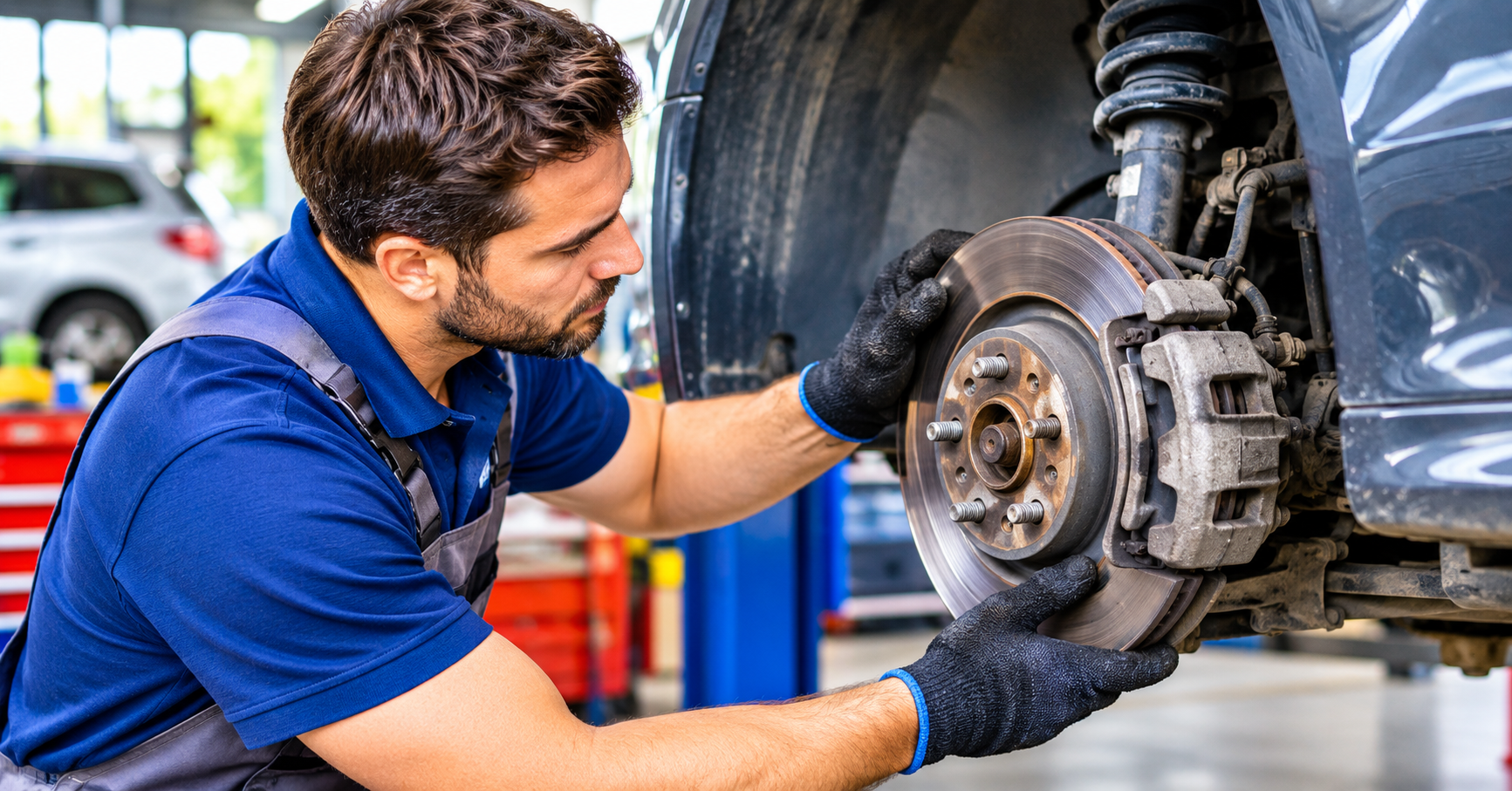
When you press the brake pedal, hydraulic pressure activates the braking components at each wheel. In a disc brake system, the caliper presses the brake pads against the rotating rotor. The resulting friction slows the wheel and brings the vehicle to a stop.
Because these parts experience repeated friction and heat, they gradually wear down. Brake pads become thinner, rotors can develop uneven surfaces, and other components may eventually require maintenance or replacement.
Driving conditions also influence how quickly brake components wear. Frequent hard braking, heavy traffic, steep roads, vehicle weight, and exposure to moisture and road contaminants can all affect braking performance.
For drivers in Philadelphia and surrounding communities, regular inspections are a practical way to identify developing problems before they interfere with everyday driving.
9 Warning Signs That Your Brakes May Need Attention
Brake problems rarely appear without some indication that something has changed. Paying attention to unusual sounds, sensations, and vehicle behavior can help you recognize when an inspection is necessary.
1. High-Pitched Squealing or Screeching Sounds
One of the most recognizable signs of brake wear is a squealing sound when applying the brakes. Many brake pads include small wear indicators designed to produce an audible warning as the friction material approaches the end of its service life.
When these indicators contact the rotor, they create a high-pitched noise that alerts the driver that the pads may need attention.
However, not every brake squeal means the pads are worn out. Moisture, surface rust, dust, and certain brake pad materials can also cause temporary noises. A vehicle that squeals consistently during braking should receive a professional inspection to determine the source.
Ignoring persistent squealing is not a good idea. If worn pads continue to deteriorate, the metal backing plates may eventually contact the rotors, potentially causing additional damage.
2. Grinding or Metal-on-Metal Noises
A grinding noise when braking is generally more concerning than an occasional squeal. It may indicate that the friction material on the brake pads has worn away, allowing metal components to make contact with the rotors.
This type of contact can damage the rotor surface and reduce braking effectiveness. Continued driving may also turn a relatively straightforward brake pad replacement into a more extensive repair.
Grinding can sometimes result from debris trapped between the brake pad and rotor or other mechanical problems. Regardless of the cause, it should never be ignored.
If you hear persistent grinding while slowing down, arrange for an immediate inspection. If braking performance is reduced or the vehicle feels unsafe, stop driving when it is safe to do so and arrange professional assistance.
3. A Brake Pedal That Feels Soft or Spongy
Your brake pedal should provide predictable resistance when you press it. If it suddenly feels soft, spongy, or unusually easy to push toward the floor, there may be a problem with the hydraulic braking system.
Possible causes include air in the brake lines, a fluid leak, deteriorating brake components, or a problem with the master cylinder.
Brake fluid transfers pressure from the pedal to the braking components at the wheels. When air enters the hydraulic system or fluid escapes through a damaged line or connection, the pedal may no longer respond normally.
A soft brake pedal is a serious warning sign because it can indicate that the system is not generating or maintaining the pressure needed for reliable stopping.
Do not continue driving if the pedal feels unusually soft or sinks toward the floor. Have the vehicle inspected and repaired before returning it to the road.
4. Vibrations or Pulsations When Applying the Brakes
If you feel shaking or pulsation through the brake pedal or steering wheel when slowing down, the braking system may have an issue that needs attention.
Uneven rotor surfaces, variations in rotor thickness, improper wheel installation, or other mechanical conditions can contribute to brake-related vibrations.
Drivers may notice the problem more clearly when braking at highway speeds. In some cases, the steering wheel shakes, while in others, the vibration can be felt primarily through the pedal or vehicle body.
Not every vibration comes from the brakes. Tire problems, wheel balance issues, and suspension components can produce similar symptoms. A proper diagnosis helps identify the actual source rather than replacing parts unnecessarily.
If the vibration appears consistently when applying the brakes, schedule an inspection before the condition worsens.
5. Your Vehicle Pulls to One Side While Braking
A vehicle that drifts or pulls to the left or right when you press the brake pedal may have uneven braking performance between its wheels.
Several problems can contribute to this behavior, including a sticking brake caliper, uneven brake pad wear, a restricted brake hose, or other issues affecting the braking components on one side of the vehicle.
Tire pressure differences, alignment problems, and suspension issues can also cause a vehicle to pull, so it is important to determine whether the behavior is related to the brakes or another system.
This symptom deserves attention because unpredictable vehicle movement during braking can make it harder to maintain control, particularly in heavy traffic or on wet roads.
If your vehicle consistently pulls to one side while stopping, have the braking system and related components professionally evaluated.
6. A Burning Smell After Braking
A sharp, unpleasant burning smell after using the brakes can indicate excessive heat within the braking system.
Brake components naturally generate heat through friction. However, an unusually strong burning odor may suggest that a brake is dragging, a caliper is sticking, or the brakes are being subjected to excessive friction.
This can happen when a brake component fails to release properly after the driver removes pressure from the pedal. The affected wheel may continue experiencing friction even when the vehicle is moving without braking.
If you notice a strong burning smell, pull over somewhere safe and allow the vehicle to cool. Avoid touching the wheels or brake components because they may be extremely hot.
If you see smoke coming from a wheel or notice significant heat, do not continue driving. Arrange for professional assistance to determine the cause.
7. The Brake Warning Light Appears on the Dashboard
Your dashboard provides important information about your vehicle’s condition. If the brake warning light illuminates, it may indicate that the parking brake is engaged, brake fluid is low, or the braking system has detected a problem.
Some vehicles also have a separate anti-lock braking system (ABS) warning light. When this light appears, it may indicate a problem affecting the ABS, which helps prevent the wheels from locking during hard braking.
Although an illuminated warning light does not always mean that the vehicle has lost all braking ability, it should never be dismissed.
Check whether the parking brake is fully released. If the warning remains illuminated, consult your owner’s manual and arrange for a professional diagnosis.
If the brake warning light appears alongside a soft pedal, reduced stopping power, or unusual braking behavior, stop driving when safe and seek assistance.
8. Your Vehicle Takes Longer to Stop
One of the most important changes to watch for is an increase in stopping distance. If your vehicle seems to require more time or distance to come to a complete stop, its braking system may not be performing properly.
Worn brake pads, damaged rotors, contaminated brake components, hydraulic problems, and other mechanical issues can affect stopping performance.
Road conditions also matter. Wet pavement, loose gravel, snow, and ice can increase stopping distances even when the braking system is functioning correctly.
However, if you notice a consistent change in how your vehicle responds under similar driving conditions, do not assume it is simply a road-related issue.
Have the system inspected promptly. Reduced braking performance can become particularly dangerous when unexpected traffic situations require sudden stops.
9. Brake Fluid Leaks or Unusually Low Fluid Levels
Brake fluid plays an essential role in transferring pressure through the hydraulic braking system. A leak can reduce the system’s ability to apply the brakes correctly.
Possible signs of a brake fluid leak include a fluid level that repeatedly drops, wet areas around brake lines or wheel components, or a soft brake pedal.
Brake fluid is often clear to slightly yellow or amber when fresh, although its appearance can change as it ages. It should not be confused with engine oil, coolant, or other automotive fluids.
If you suspect a brake fluid leak, do not simply refill the reservoir and continue driving. The underlying problem must be identified and repaired. Low fluid may be related to normal pad wear in some circumstances, but a leak must be ruled out.
Because a hydraulic failure can seriously affect stopping ability, a suspected brake fluid leak requires immediate professional attention.
What Causes Brake Components to Wear Out Faster?
Brake wear is a normal part of vehicle ownership, but certain driving habits and environmental conditions can shorten the service life of braking components.
Frequent Stop-and-Go Traffic
Repeated braking in congested traffic creates more friction and heat than steady driving at a consistent speed. Drivers who regularly travel through busy urban areas may experience faster brake pad wear depending on their routes and driving habits.
Aggressive Braking Habits
Sudden stops, excessive speed, and repeatedly applying heavy pressure to the brake pedal can increase the temperature of braking components and accelerate wear.
Maintaining a safe following distance and anticipating traffic changes can reduce unnecessary braking. Smooth acceleration and gradual deceleration also help minimize stress on the braking system.
Heavy Loads and Towing
Carrying heavy cargo or towing a trailer increases the amount of work required to slow down a vehicle. Additional weight places greater demands on the brakes, especially on long descents or during repeated stops.
Drivers who frequently transport heavy loads should follow their vehicle manufacturer’s recommendations and pay particular attention to brake maintenance.
Moisture, Road Salt, and Corrosion
Moisture can contribute to surface rust on brake rotors, particularly when a vehicle remains parked for extended periods. In winter, road salt and other deicing materials can also accelerate corrosion on exposed metal components.
These conditions may affect brake hardware, calipers, lines, and other parts of the braking system. Regular inspections can help identify corrosion before it develops into a more serious problem.
How Often Should You Have Your Brakes Inspected?
There is no single inspection interval that applies to every vehicle. Brake wear depends on the vehicle’s design, mileage, driving habits, road conditions, and the quality of the installed components.
A practical approach is to have the braking system checked during routine maintenance visits and whenever you notice unusual symptoms.
Many drivers benefit from having their brakes inspected when rotating tires, changing engine oil, or completing other scheduled maintenance. However, an unusual noise, warning light, vibration, or change in pedal feel should prompt an inspection sooner rather than waiting for the next service appointment.
Your owner’s manual may also provide maintenance recommendations specific to your vehicle.
What Does a Professional Brake Inspection Include?
A comprehensive brake inspection typically involves examining the major components responsible for safe and consistent stopping performance.
Depending on the vehicle and the symptoms reported, a technician may evaluate:
- Brake pads and shoes: Checking friction material thickness and identifying uneven or excessive wear.
- Brake rotors and drums: Looking for scoring, cracks, excessive wear, and surface irregularities.
- Brake calipers: Checking for leaks, sticking components, and proper operation.
- Brake lines and hoses: Looking for corrosion, physical damage, and fluid leaks.
- Brake fluid: Checking the fluid level and condition and investigating possible leaks.
- Parking brake: Evaluating its operation and adjustment where applicable.
- ABS components: Checking warning indicators and diagnosing electronic braking system faults when necessary.
The inspection findings help determine whether the vehicle needs replacement parts, adjustments, hydraulic repairs, or additional diagnostic testing.
A reliable repair recommendation should be based on the actual condition of the vehicle rather than a predetermined list of parts to replace.
Understanding Pennsylvania Vehicle Inspection Requirements
Pennsylvania drivers should also understand the state’s vehicle safety inspection requirements. The Pennsylvania safety inspection program includes an evaluation of important vehicle systems and components, including the braking system.
Brake-related inspection items may include the condition and operation of braking components, the effectiveness of the service brakes, and other requirements applicable to the vehicle’s configuration.
A vehicle that does not meet the applicable safety standards may require repairs before it can pass inspection. The specific findings depend on the vehicle, its equipment, and the condition of the components being examined.
It is important not to wait until an annual inspection appointment to address obvious brake problems. A vehicle that squeals persistently, grinds during braking, or has a soft pedal should be checked as soon as possible.
Keeping up with routine maintenance throughout the year makes it easier to identify developing problems and prepare for required inspections without unnecessary last-minute surprises.
How to Make Your Brakes Last Longer
Although brake components eventually require replacement, good driving habits and consistent maintenance can help reduce unnecessary wear.
Maintain a Safe Following Distance
Leaving enough space between your vehicle and the one ahead gives you more time to respond to changing traffic conditions. This reduces the need for sudden braking and helps create a smoother driving experience.
Avoid Unnecessary Hard Stops
Whenever possible, anticipate traffic signals, intersections, and slow-moving vehicles. Gradually reducing speed is generally easier on braking components than repeatedly making abrupt stops.
Follow Your Vehicle’s Maintenance Schedule
Routine inspections can identify worn brake pads, damaged hoses, fluid problems, and other issues before they become more serious. Follow the recommendations in your owner’s manual and address unusual symptoms promptly.
Do Not Ignore Dashboard Warnings
Warning lights are designed to alert drivers to potential problems. If a brake or ABS warning indicator remains illuminated, arrange for the appropriate diagnostic inspection instead of assuming the issue will disappear on its own.
Use Appropriate Replacement Parts
When brake components need replacement, the parts should meet the specifications and performance requirements of the vehicle. The correct components help maintain proper fit, braking performance, and compatibility with the existing system.
A qualified technician can recommend suitable replacement parts based on the manufacturer’s specifications and the vehicle’s intended use.
Choosing a Reliable Brake Repair Shop in the Philadelphia Area
When brake problems appear, choosing an experienced repair facility is an important part of maintaining vehicle safety. A dependable shop should be able to inspect the braking system, explain its findings, and recommend repairs based on the vehicle’s actual condition.
Drivers should look for technicians with relevant training, a facility equipped for modern vehicle diagnostics, and a clear approach to explaining repair options. Experience with different vehicle makes and models is also valuable, particularly as modern braking systems increasingly incorporate electronic controls and driver-assistance technologies.
For local motorists, convenience can also make a difference. Services such as appointment scheduling, after-hours vehicle drop-off, and pickup and delivery options may make routine maintenance easier to manage.
Why Local Drivers Consider Preferred Auto Specialists
Preferred Auto Specialists is a family-owned automotive repair business located on Oxford Avenue in Philadelphia. The shop has served local drivers since 1999, including motorists in Oak Lane, Oxford Circle, and Northeast Philadelphia.
According to the business information provided by the shop, Preferred Auto Specialists is a NAPA Gold Certified AutoCare Center and an ASE Blue Seal facility. Its technicians hold ASE certifications, including Master Certification.
The business offers a range of automotive services designed to support everyday vehicle maintenance and repair needs. These include brake services, oil changes, Pennsylvania state inspections, vehicle diagnostics, wheel alignments, electrical repairs, EV and hybrid services, and fleet vehicle services.
For added convenience, the shop also offers loaner vehicles, pickup and delivery, and after-hours drop-off. These options can be useful for drivers who need to coordinate vehicle maintenance around work and other daily responsibilities.
Having access to a local repair facility that can handle routine maintenance and more involved diagnostic work makes it easier for drivers to keep up with their vehicles’ changing service needs.
When Should You Stop Driving and Seek Immediate Brake Assistance?
Not every brake symptom requires the same response. Some minor noises may call for a scheduled inspection, while other symptoms indicate that continuing to drive could be unsafe.
Stop driving as soon as it is safe and arrange professional assistance if you experience any of the following:
- The brake pedal suddenly sinks toward the floor.
- The vehicle has significantly reduced stopping power.
- You hear persistent metal-on-metal grinding.
- You notice brake fluid leaking beneath the vehicle.
- Smoke appears near a wheel or a strong burning smell develops.
- The brake warning light remains illuminated alongside unusual braking behavior.
If the braking system is not functioning normally, do not attempt to drive the vehicle to a repair shop. Roadside assistance or towing may be the safer option.
Taking these warning signs seriously can help prevent an already developing mechanical problem from becoming a dangerous situation.
Frequently Asked Questions About Brake Problems
How do I know if my brake pads need to be replaced?
Common signs include persistent squealing, grinding noises, reduced braking performance, and visible wear when the pads can be inspected. A professional inspection can measure the remaining friction material and determine whether replacement is necessary.
Can I drive with squeaky brakes?
Occasional squeaking may result from moisture or surface rust, but persistent noise can indicate worn pads or another braking issue. If the sound continues, have the system inspected. If grinding or reduced braking performance occurs, stop driving when safe and arrange professional assistance.
Why does my steering wheel shake when I brake?
Steering wheel vibration during braking can be associated with uneven rotor surfaces, rotor thickness variations, or other brake-related problems. Tire, wheel, and suspension issues can produce similar symptoms, so proper diagnosis is important.
How long do brake pads usually last?
Brake pad lifespan varies considerably depending on driving habits, vehicle weight, traffic conditions, brake pad material, and the vehicle’s design. Frequent city driving and aggressive braking may shorten their service life. Following the manufacturer’s maintenance recommendations and having the brakes inspected regularly can help identify when replacement is needed.
Does a brake warning light always mean the brakes have failed?
No. A brake warning light can indicate several conditions, including an engaged parking brake or low brake fluid. However, it may also signal a more serious braking system problem. Consult your owner’s manual and arrange an inspection if the warning remains illuminated.
What is included in a brake inspection?
A brake inspection generally includes checking brake pads or shoes, rotors or drums, calipers, brake lines, hoses, fluid condition, and other relevant components. Additional diagnostic testing may be necessary depending on the vehicle and reported symptoms.
Do Pennsylvania vehicle inspections check the brakes?
Yes. Pennsylvania’s safety inspection program includes an evaluation of the vehicle’s braking system. The inspection examines applicable brake components and performance requirements to determine whether the vehicle meets state safety standards.
Can worn brake pads damage the rotors?
Yes. When brake pads wear beyond their usable friction material, metal components may contact the rotors. This can cause scoring, excessive wear, and additional repair costs. Addressing brake noise and wear early can help prevent further damage.
Final Thoughts: Do Not Ignore the Warning Signs
Your brakes play a direct role in your ability to control your vehicle and respond safely to changing traffic conditions. Unusual noises, vibrations, fluid leaks, dashboard warnings, and changes in pedal feel are all reasons to pay closer attention to the braking system.
For drivers in Oak Lane and throughout Philadelphia, staying ahead of brake maintenance is especially important given the demands of everyday urban driving. Regular inspections, responsible driving habits, and prompt attention to developing problems can help protect both your vehicle and the people around you.
If something about your vehicle’s braking performance feels different, do not wait for the problem to become more serious. A professional inspection can identify the cause, explain the available repair options, and help you make an informed decision about your vehicle’s maintenance.
Preferred Auto Specialists
6300 Oxford Ave, Philadelphia, PA 19111
Phone: (215) 379-1300