
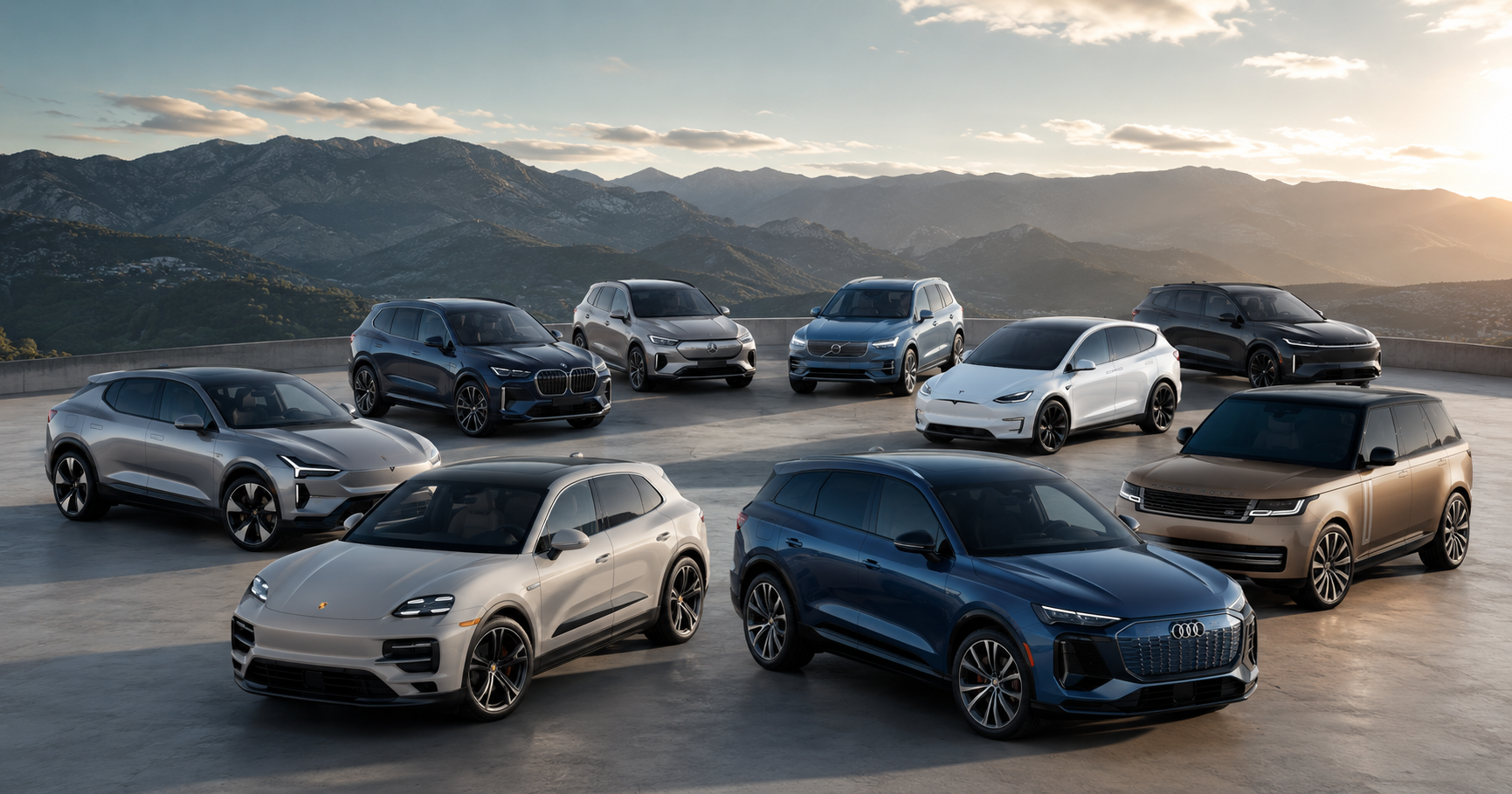
Europe’s luxury electric vehicle market is entering a new phase of competition. What was once a niche category filled with early adopters has evolved into one of the most important battlegrounds in the automotive industry.
For 2026, premium manufacturers are delivering longer driving ranges, faster charging capabilities, more advanced software, and increasingly luxurious interiors than ever before. Buyers looking for the Best Luxury Electric SUV Europe has to offer now face an impressive selection of vehicles ranging from performance-focused crossovers to ultra-luxurious family haulers.
The timing couldn’t be better. European EV adoption continues to accelerate, supported by expanding charging infrastructure, stricter emissions regulations, and growing consumer demand for sustainable transportation. According to European EV market data, electric vehicle sales recorded nearly 30% year-over-year growth during 2025, setting the stage for an even more competitive 2026 model year.
This guide ranks the ten most compelling luxury electric SUVs available or arriving in Europe during 2026. We evaluated range, charging performance, technology, interior quality, practicality, value, and overall ownership experience to help buyers identify the right premium EV for their needs.
Luxury Electric SUV Market in Europe: What Has Changed for 2026?
Several technological advancements are reshaping the luxury EV landscape:
- 800-volt electrical architectures are becoming mainstream.
- Charging speeds exceeding 250 kW are increasingly common.
- WLTP ranges above 600 km are now achievable across multiple segments.
- Advanced driver assistance systems continue improving.
- Premium brands are launching EV-exclusive platforms instead of adapting gasoline models.
The result is a new generation of luxury electric SUVs capable of replacing traditional premium gasoline vehicles without significant compromises.
Top 10 Luxury Electric SUVs in Europe for 2026
| Rank | Model | Starting Price | WLTP Range | Fast Charging | Best For |
|---|---|---|---|---|---|
| 1 | Porsche Macan Electric | €83,100 | Up to 641 km | 270 kW | Overall Performance |
| 2 | Audi Q6 e-tron | €68,800 | Up to 661 km | 260 kW | Best Value |
| 3 | BMW iX | €75,000+ | Up to 580 km | High-Speed DC | Luxury Comfort |
| 4 | Polestar 3 | €61,198 | Up to 706 km | Fast DC | Range Value |
| 5 | Volvo EX90 | €72,000+ | Up to 616 km | 350 kW | Families |
| 6 | Mercedes EQS SUV | £129,480+ | Up to 584 km | Fast DC | Luxury |
| 7 | Tesla Model X | €114,990 | Up to 566 km | Supercharger Network | Technology |
| 8 | Genesis Electrified GV70 | £65,915 | Up to 480 km | 350 kW | Fast Charging |
| 9 | Lucid Gravity | $79,900 | Up to 724 km | Ultra-Fast | Longest Range |
| 10 | Range Rover Electric | Estimated €155,000 | Estimated 483 km | 300 kW | Luxury Off-Roading |
1. Porsche Macan Electric

The Porsche Macan Electric earns the top spot because it successfully preserves everything enthusiasts love about Porsche while embracing an all-electric future.
Unlike many electric SUVs that prioritize efficiency above all else, the Macan Electric maintains genuine sports-car character. Steering precision, chassis balance, acceleration, and overall driver engagement place it among the most enjoyable electric SUVs currently available.
Key Highlights
- Up to 641 km WLTP range
- 800V architecture
- 270 kW charging capability
- Performance-oriented handling
- Premium Porsche build quality
Pros
- Outstanding driving dynamics
- Excellent charging performance
- Premium interior materials
- Strong efficiency for its performance level
Cons
- Higher starting price than many competitors
- Limited cargo space compared with larger rivals
For buyers who view driving enjoyment as a priority, the Porsche Macan Electric remains the benchmark luxury electric SUV entering 2026.
2. Audi Q6 e-tron
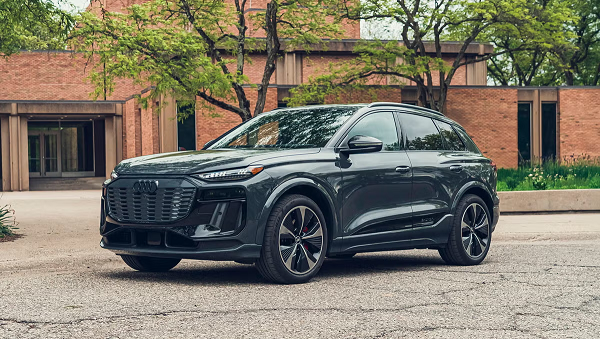
The Audi Q6 e-tron may represent the best balance between price, technology, practicality, and range in the premium EV market.
Built on the same next-generation platform shared with Porsche’s latest electric vehicles, the Q6 e-tron benefits from advanced battery technology, efficient powertrains, and one of the most sophisticated digital cabin experiences currently available.
Key Highlights
- Up to 661 km WLTP range
- 260 kW charging speed
- 800V electrical architecture
- Advanced digital cockpit
- Competitive starting price
Pros
- Excellent value proposition
- Long driving range
- Fast charging performance
- Premium fit and finish
Cons
- Heavier than some rivals
- Performance versions sacrifice some range
For many European buyers, the Audi Q6 e-tron may be the smartest purchase in the segment because it avoids major compromises while remaining relatively attainable.
3. BMW iX
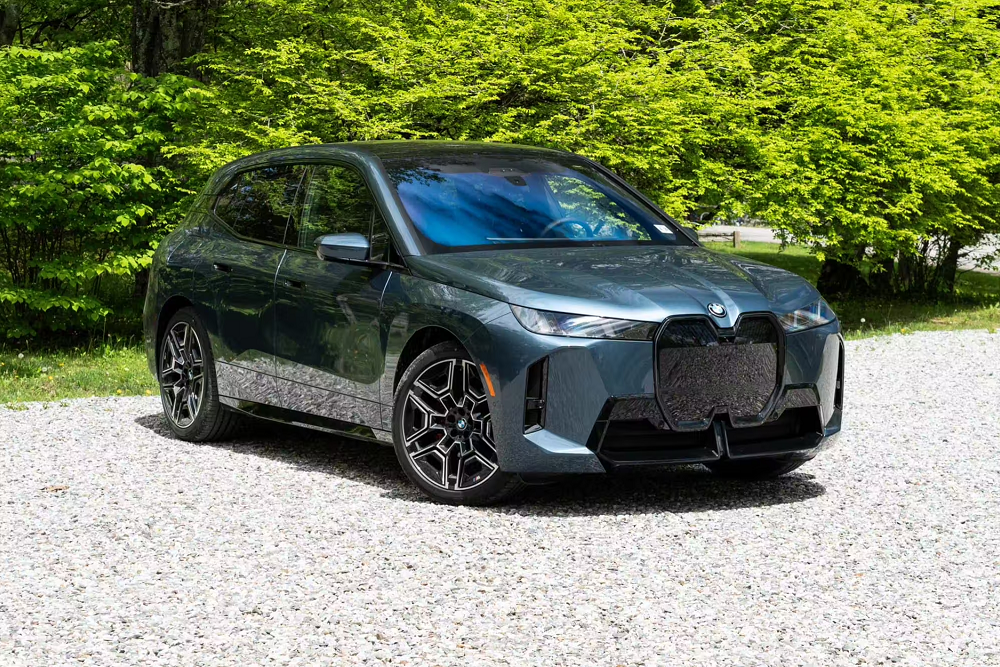
BMW’s flagship electric SUV continues to impress despite fierce competition. The iX combines exceptional ride comfort with advanced technology and impressive real-world usability.
Its styling remains divisive, but once inside, the vehicle demonstrates why it consistently receives strong reviews from automotive experts.
Key Highlights
- Up to 580 km range
- Premium cabin experience
- Excellent ride comfort
- Advanced driver assistance systems
- Strong towing capability
Pros
- Comfortable long-distance cruiser
- Excellent cabin quality
- Advanced infotainment technology
- Quiet driving experience
Cons
- Polarizing exterior design
- Heavy curb weight
The BMW iX is particularly attractive for families and professionals who spend significant time on motorways and value comfort above outright performance.
4. Polestar 3
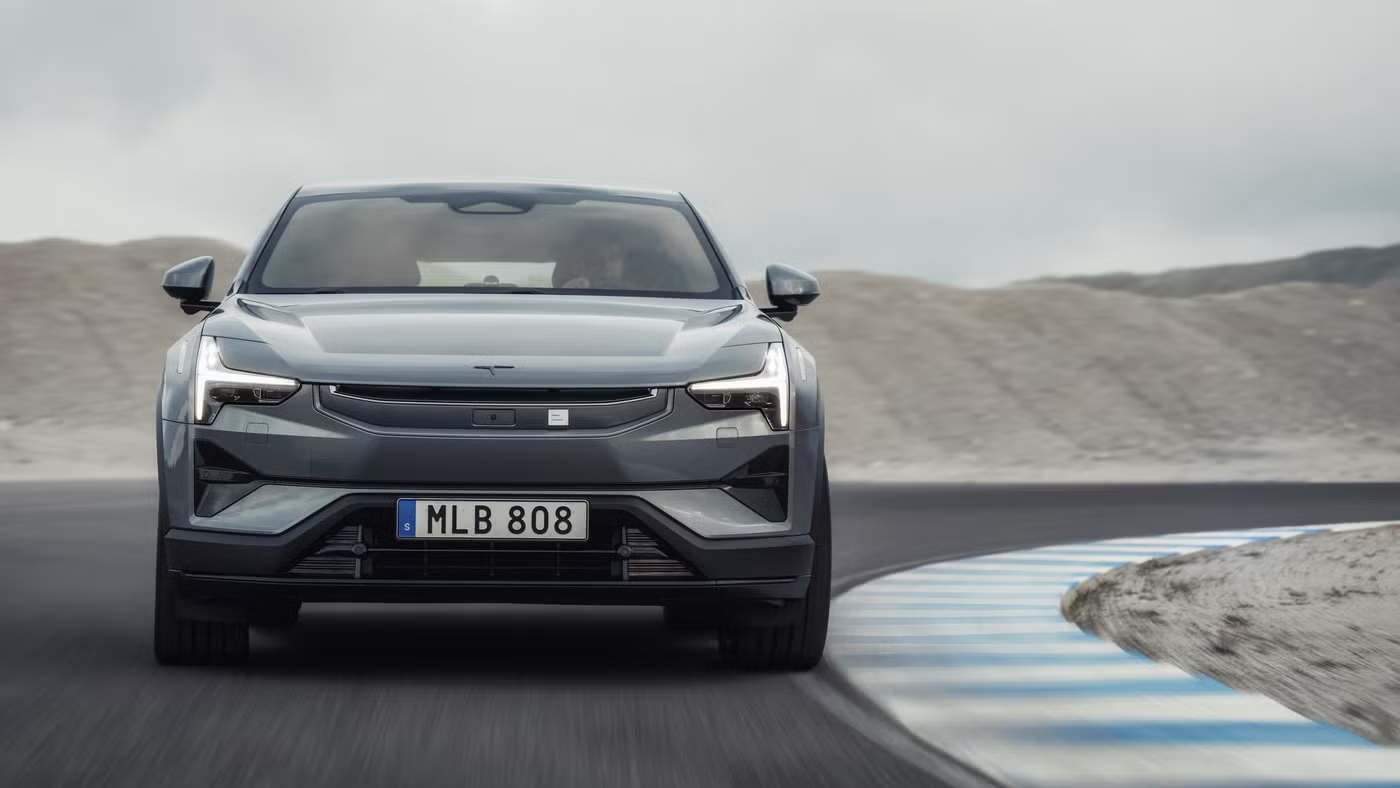
The Polestar 3 has emerged as one of the most compelling luxury EV purchases in Europe thanks to its exceptional range-to-price ratio.
With up to 706 km of WLTP range in certain configurations, it challenges vehicles costing significantly more. The Scandinavian design language also appeals to buyers seeking a modern alternative to traditional German luxury brands.
Key Highlights
- Up to 706 km WLTP range
- Competitive pricing
- Minimalist luxury interior
- Performance Pack available
- Improved 2026 driving dynamics
Pros
- Outstanding range
- Strong value for money
- Elegant Scandinavian design
- High-quality technology integration
Cons
- Performance versions become expensive
- Brand recognition still trails German rivals
For buyers focused on efficiency, practicality, and value, the Polestar 3 is arguably one of the biggest success stories in Europe’s luxury EV market.
5. Volvo EX90

The Volvo EX90 is one of the most family-friendly luxury electric SUVs available in Europe for 2026. While some competitors focus heavily on performance or technology headlines, Volvo prioritizes safety, practicality, comfort, and everyday usability.
As the electric successor to the popular XC90, the EX90 delivers a premium Scandinavian interior, advanced driver-assistance technology, and genuine seven-passenger seating. For families transitioning from a luxury gasoline SUV, few vehicles make the move to electric ownership easier.
Key Highlights
- Available with six- or seven-seat configurations
- Up to 616 km WLTP range
- Fast charging from 10% to 80% in approximately 22 minutes
- Advanced safety systems and LiDAR technology
- Premium Scandinavian design
Pros
- Excellent family practicality
- Comfortable ride quality
- Outstanding safety credentials
- Premium interior design
Cons
Buyers looking for a luxury EV that comfortably accommodates children, luggage, and long-distance travel should place the Volvo EX90 near the top of their shortlist.
6. Mercedes-Benz EQS SUV
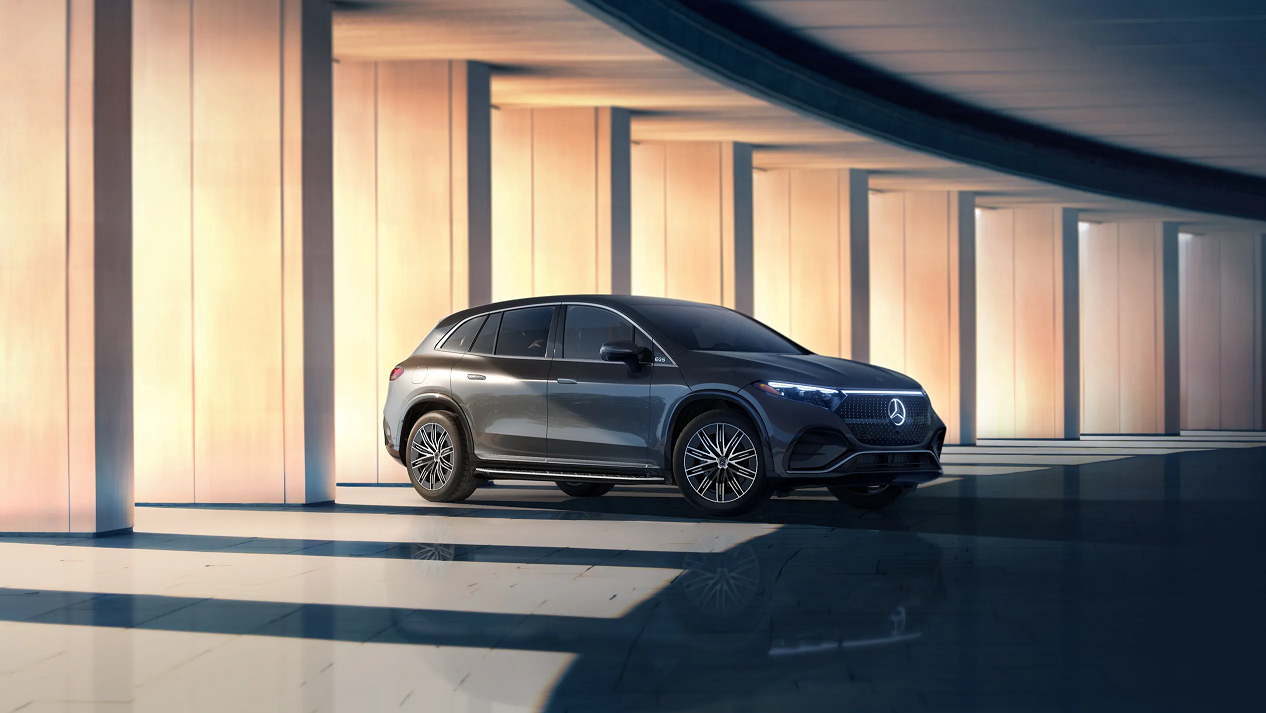
When it comes to outright luxury, the Mercedes-Benz EQS SUV remains one of the most impressive electric vehicles available today.
Mercedes designed the EQS SUV primarily around comfort. The result is an exceptionally quiet, refined, and technologically advanced vehicle that feels more like a luxury lounge than a traditional SUV.
Key Highlights
- Up to 584 km WLTP range
- 108.4 kWh battery pack
- Available third-row seating
- Premium executive-level comfort
- Optional Maybach ultra-luxury version
Pros
- Exceptional interior quality
- Outstanding ride comfort
- Advanced infotainment technology
- Large cargo capacity
Cons
- Very expensive compared with rivals
- Efficiency trails some newer competitors
For buyers prioritizing luxury above all else, the EQS SUV remains one of the strongest choices in the European premium EV market.
7. Tesla Model X

Despite increasing competition, the Tesla Model X continues to hold a unique position among luxury electric SUVs. Tesla’s software ecosystem, charging infrastructure, and performance credentials remain major advantages.
The latest European version benefits from improved refinement, enhanced cabin insulation, and additional comfort upgrades that address some of the criticisms directed at earlier models.
Key Highlights
- Up to 566 km WLTP range
- Access to Europe’s leading fast-charging ecosystem
- Falcon Wing rear doors
- High-performance Plaid variant available
- Frequent over-the-air software updates
Pros
- Excellent charging convenience
- Strong acceleration
- Industry-leading software experience
- Continuous feature updates
Cons
- Interior quality no longer class-leading
- Higher pricing than many rivals
For technology-focused buyers who value charging convenience and software innovation, the Tesla Model X remains a compelling option in 2026.
8. Genesis Electrified GV70
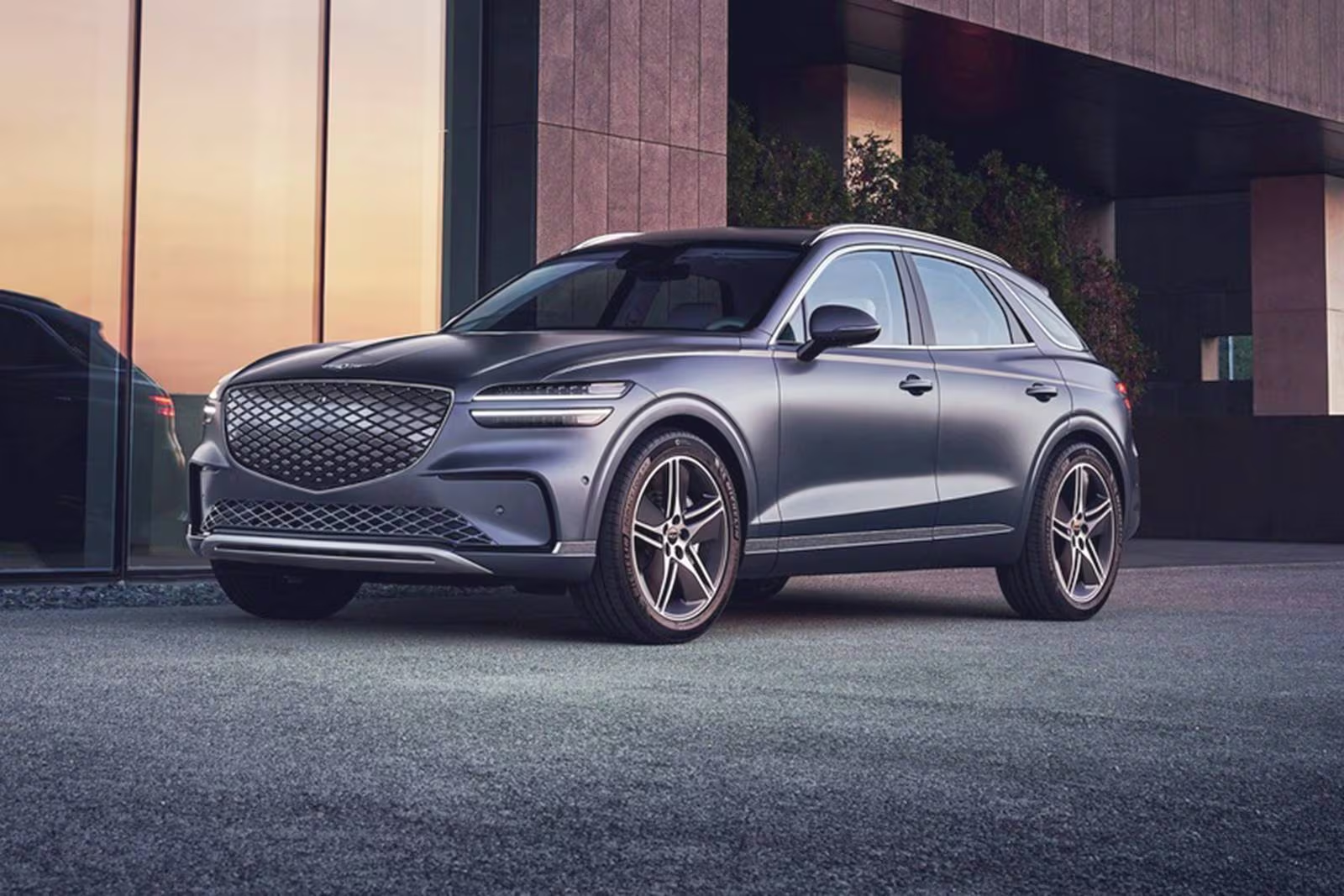
Genesis continues gaining credibility across Europe by offering premium vehicles that compete directly with established German brands while often delivering more equipment for the money.
The Electrified GV70 combines elegant styling, strong performance, and some of the fastest charging technology currently available in the segment.
Key Highlights
- 350 kW charging capability
- 483 horsepower output
- 0–62 mph in approximately 4.4 seconds
- Premium craftsmanship
- Vehicle-to-load functionality
Pros
- Excellent value proposition
- Rapid charging capability
- High-quality interior materials
- Strong performance
Cons
- Shorter range than some rivals
- Smaller dealer network in Europe
The GV70 deserves more attention than it often receives and may be one of the most underrated luxury EVs available today.
9. Lucid Gravity

The Lucid Gravity is among the most anticipated luxury electric SUVs entering the European market. Combining exceptional efficiency, class-leading range, and extraordinary practicality, it has the potential to disrupt the premium SUV segment significantly.
Lucid’s expertise in battery and powertrain efficiency allows the Gravity to achieve range figures that many competitors currently struggle to match.
Key Highlights
- Up to 724 km estimated range
- Seven-adult seating capability
- Massive cargo capacity
- Ultra-fast charging performance
- Award-winning luxury design
Pros
- Outstanding range
- Extremely spacious interior
- Fast charging capabilities
- Innovative packaging
Cons
- European availability remains limited
- New brand compared with established rivals
If Lucid successfully expands its European footprint, the Gravity could quickly become one of the segment’s most influential vehicles.
10. Range Rover Electric
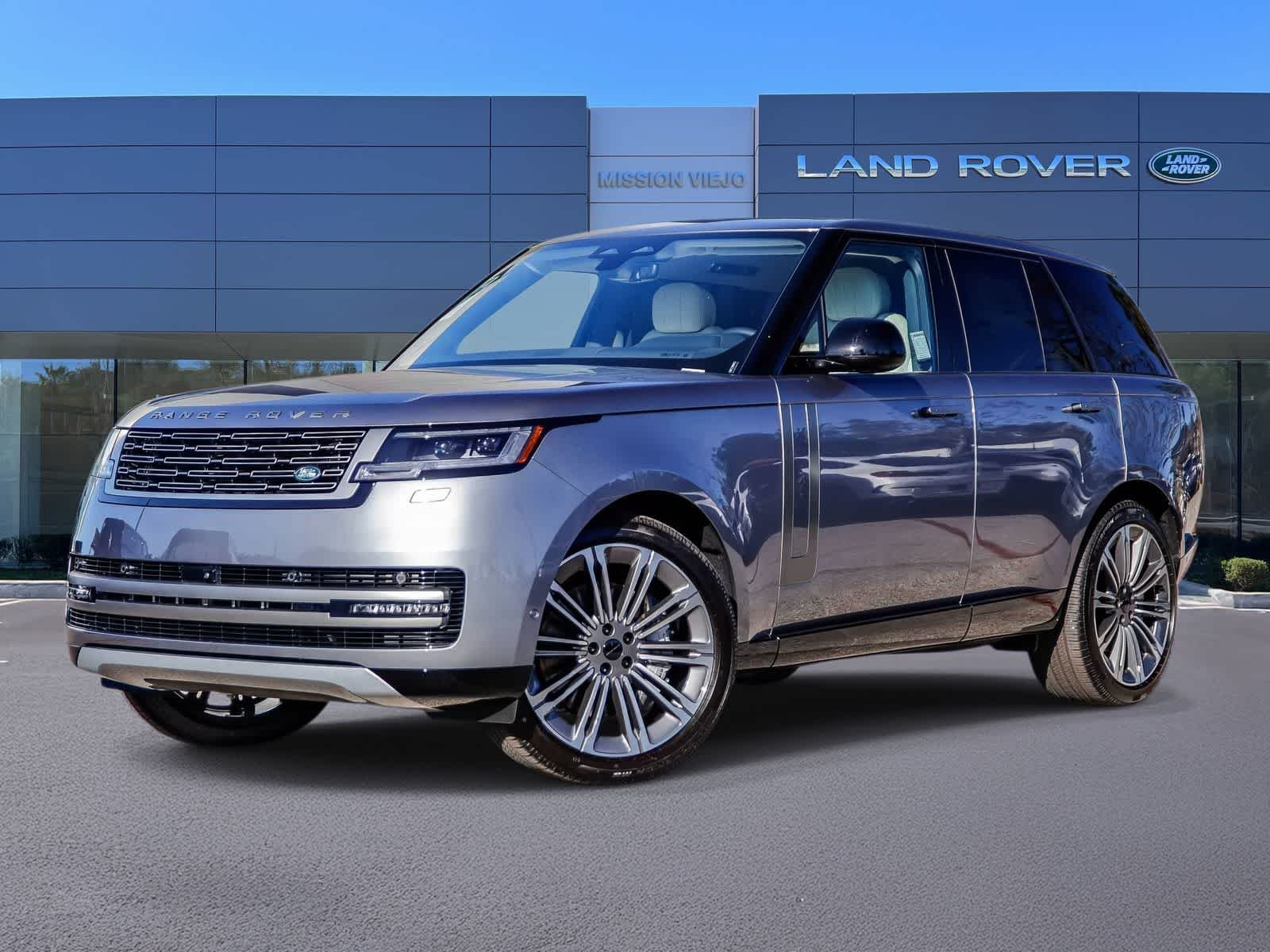
The Range Rover Electric represents one of the biggest upcoming launches in the luxury EV world. While final specifications are still being confirmed, expectations are extremely high.
Land Rover aims to preserve the legendary off-road capability and luxury experience that made Range Rover famous while introducing a fully electric powertrain capable of competing with premium EV rivals.
Key Highlights
- Estimated 542 hp dual-motor system
- 800V electrical architecture
- Expected 300 kW charging capability
- Luxury-focused cabin
- Authentic off-road capability
Pros
- Unique off-road capability
- Prestigious brand image
- Advanced charging technology
- Expected premium refinement
Cons
- Very high expected pricing
- Final specifications remain unconfirmed
For buyers seeking both luxury and genuine all-terrain capability, the Range Rover Electric could become the category leader once it officially launches.
Range Comparison: Which Luxury EV SUV Goes Furthest?
| Model | Maximum Range | Range Category |
|---|---|---|
| Lucid Gravity | Up to 724 km | Excellent |
| Polestar 3 | Up to 706 km | Excellent |
| Audi Q6 e-tron | Up to 661 km | Excellent |
| Porsche Macan Electric | Up to 641 km | Excellent |
| Volvo EX90 | Up to 616 km | Very Good |
| BMW iX | Up to 580 km | Very Good |
| Mercedes EQS SUV | Up to 584 km | Very Good |
| Tesla Model X | Up to 566 km | Very Good |
| Genesis GV70 | Up to 480 km | Good |
| Range Rover Electric | Estimated 483 km | Good |
Best Luxury Electric SUV by Category
Best Overall Luxury Electric SUV
Porsche Macan Electric
The Macan Electric offers the best combination of driving enjoyment, premium quality, charging performance, efficiency, and real-world usability.
Best Value Luxury Electric SUV
Audi Q6 e-tron
Few competitors provide such a strong mix of range, technology, and pricing.
Best Range
Industry-leading efficiency and long-distance capability place the Gravity at the top of the range rankings.
Best Family SUV
Volvo EX90
Excellent safety, seven-seat practicality, and premium comfort make it ideal for families.
Best Luxury Experience
Mercedes-Benz EQS SUV
The EQS SUV remains the benchmark for comfort and refinement.
Best Fast-Charging SUV
Genesis Electrified GV70
Its 350 kW charging capability places it among the fastest-charging luxury EVs available.
Best Off-Road Electric SUV
Range Rover Electric
No competitor is expected to match its combination of luxury and genuine off-road capability.
Luxury Electric SUV Buying Guide for European Drivers
Choosing the right luxury EV involves more than simply comparing range figures. Buyers should evaluate how they plan to use the vehicle over the next several years.
1. Prioritize Real-World Range
Official WLTP ratings are useful for comparison, but real-world performance depends on weather, driving style, speed, and terrain.
2. Evaluate Charging Infrastructure
Drivers who frequently travel across Europe should consider charging network access and compatibility with high-power DC charging stations.
3. Think About Passenger Needs
Families may benefit from vehicles such as the Volvo EX90 or Lucid Gravity, which offer genuine third-row seating.
4. Consider Resale Value
Historically, premium brands such as Porsche, BMW, Mercedes-Benz, and Tesla have maintained stronger residual values.
5. Compare Software Ecosystems
Modern luxury EV ownership increasingly depends on software updates, connectivity features, navigation systems, and smartphone integration.
The Future of Luxury Electric SUVs in Europe
The luxury electric SUV segment is evolving faster than any other premium automotive category. What seemed cutting-edge just a few years ago is quickly becoming standard equipment across the industry.
For 2026, buyers are benefiting from a wave of innovation that includes larger battery packs, more efficient powertrains, advanced software ecosystems, and charging speeds that dramatically reduce downtime during long journeys.
The widespread adoption of 800-volt architectures by premium manufacturers is perhaps the most important development. Vehicles built on these next-generation platforms can often add hundreds of kilometers of driving range in less than 20 minutes at compatible high-speed charging stations.
Competition is also increasing from new entrants. While traditional luxury brands such as Porsche, Audi, BMW, Mercedes-Benz, and Volvo continue to dominate sales and consumer trust, emerging brands like Lucid and Polestar are proving that innovation can come from outside the established automotive hierarchy.
Meanwhile, upcoming premium electric SUVs expected to influence the market over the next few years include the Porsche Cayenne Electric, next-generation BMW Neue Klasse SUVs, new Mercedes-Benz electric crossovers, and additional luxury EV offerings from Asian manufacturers.
For consumers, this competitive environment is creating better products, greater choice, and stronger value than ever before.
Expert Verdict: Which Luxury Electric SUV Should You Buy?
The answer depends on your priorities.
- Choose the Porsche Macan Electric if you want the best all-around luxury electric SUV with exceptional driving dynamics.
- Choose the Audi Q6 e-tron if you want the strongest balance between price, technology, charging performance, and range.
- Choose the Polestar 3 if maximizing value and driving range is your primary objective.
- Choose the Volvo EX90 if family practicality and safety are your top priorities.
- Choose the Mercedes-Benz EQS SUV if luxury, comfort, and refinement matter most.
- Choose the Tesla Model X if charging convenience and software technology are essential.
- Choose the Lucid Gravity if maximum range and interior space are your primary requirements.
- Choose the Range Rover Electric if you need premium luxury combined with genuine off-road capability.
Overall, the Porsche Macan Electric earns the top position in this ranking because it delivers the most complete package for premium buyers. It successfully combines luxury, performance, technology, efficiency, and practicality in a way that few competitors currently match.
However, the broader takeaway is even more significant: there has never been a better time to buy a luxury electric SUV in Europe. Buyers now have access to vehicles that are faster, cleaner, more technologically advanced, and often more enjoyable to own than their gasoline-powered predecessors.
Frequently Asked Questions
What is the Best Luxury Electric SUV Europe buyers can purchase in 2026?
The Porsche Macan Electric is widely considered the best overall luxury electric SUV for 2026 thanks to its combination of performance, premium quality, charging capability, technology, and long-range efficiency.
Which luxury electric SUV offers the longest driving range?
The Lucid Gravity currently leads the segment with an estimated maximum range of up to 724 kilometers, followed closely by the Polestar 3 with up to 706 kilometers of WLTP range.
What is the most affordable luxury electric SUV in Europe?
The Polestar 3 offers one of the strongest value propositions in the premium segment with pricing starting at approximately €61,198 while still delivering luxury features and impressive range.
Which luxury electric SUV is best for families?
The Volvo EX90 is among the best family-oriented luxury electric SUVs thanks to its available seven-seat configuration, advanced safety technology, spacious cabin, and practical design.
Which luxury EV SUV charges the fastest?
Vehicles such as the Genesis Electrified GV70, Volvo EX90, Audi Q6 e-tron, and Porsche Macan Electric offer some of the fastest charging capabilities currently available thanks to advanced battery and charging systems.
Are 800V electric SUVs worth buying?
Yes. An 800-volt architecture allows significantly faster charging, improved efficiency, better thermal management, and enhanced long-distance usability compared with many older EV platforms.
Is the Tesla Model X still competitive in 2026?
Yes. While newer rivals have improved interior quality and luxury appointments, the Tesla Model X remains highly competitive due to its charging ecosystem, software capabilities, performance, and ongoing over-the-air updates.
When will the Range Rover Electric be available in Europe?
The Range Rover Electric is expected to arrive during the second half of 2026, although exact launch timing may vary by market.
What is the difference between EPA and WLTP range ratings?
WLTP is the European testing standard and generally produces higher range estimates than the EPA standard used in the United States. Real-world driving results will vary depending on weather, speed, terrain, and driving habits.
Sources and References
- Car and Driver – Best Luxury Electric SUVs and 2026 EV Rankings
- US News & World Report – Luxury Electric SUV Rankings
- MotorTrend – Best Electric SUVs for 2026
- Edmunds – Porsche Macan Electric Specifications
- Kelley Blue Book – Mercedes-Benz EQS SUV Review
- Wired – Lucid Gravity Review
- RAC Drive – BMW iX Review
- Top Gear – Polestar 3 and Genesis Electrified GV70 Reviews
- ADAC – Audi Q6 e-tron Technical Evaluation
- EV Database – European EV Specifications
- Official manufacturer specifications from Porsche, Audi, BMW, Volvo, Mercedes-Benz, Tesla, Genesis, Lucid, and Range Rover