
The National Highway Traffic Safety Administration (NHTSA) has proposed eliminating the federal requirement for manual brake controls in vehicles designed to operate exclusively with automated driving systems. If adopted, the change would remove a key regulatory barrier for purpose-built autonomous vehicles while maintaining existing braking performance standards through alternative testing methods.
NHTSA Proposes New Rules for Driverless Vehicles
The proposal is part of the Trump Administration’s Automated Vehicle Framework, which aims to modernize Federal Motor Vehicle Safety Standards that were originally written with human drivers in mind.
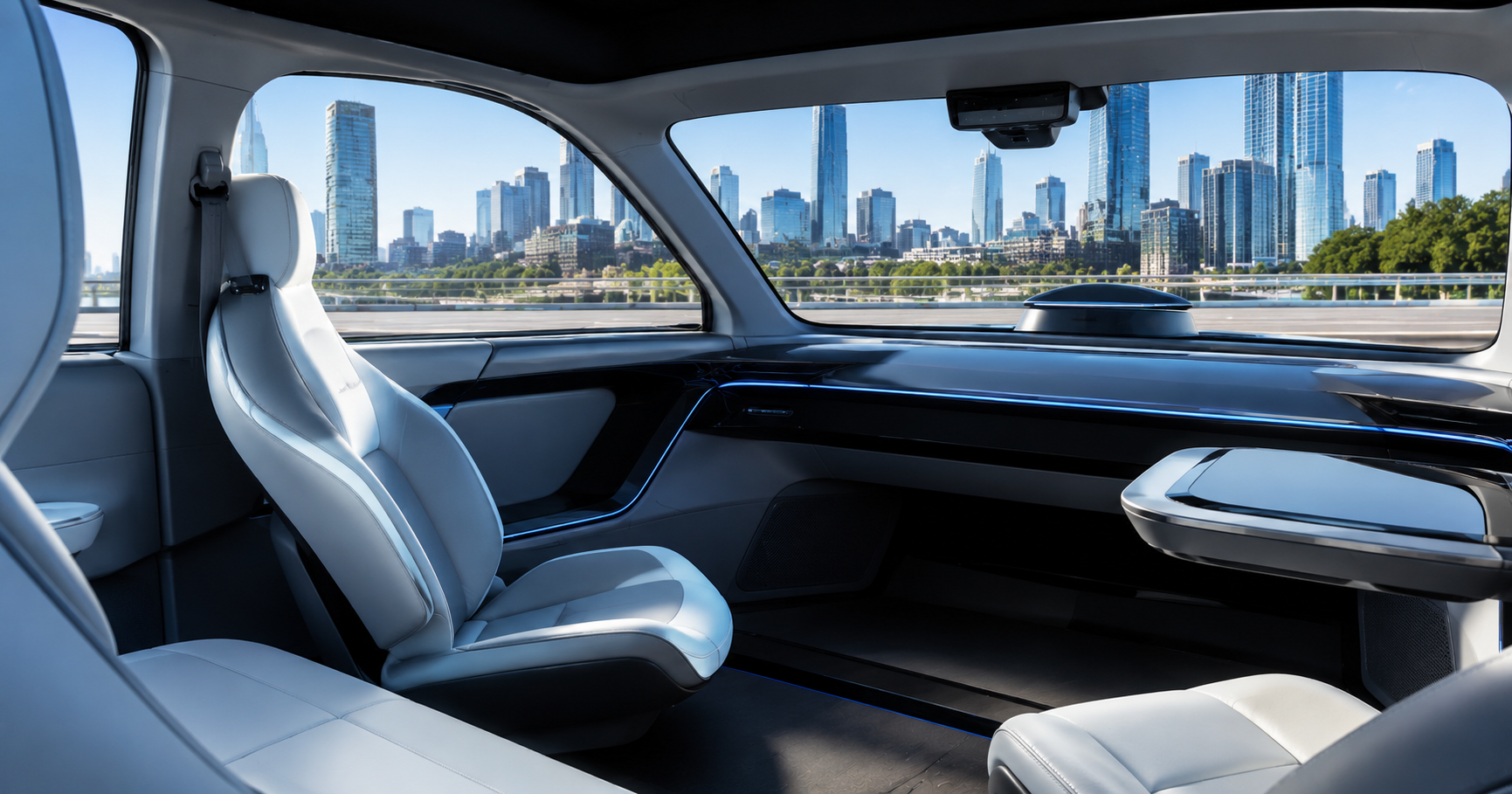
Under the proposal, vehicles built exclusively for automated driving would no longer be required to include manual brake controls. However, the change would not reduce braking performance requirements for autonomous vehicles.
Braking Standards Would Remain in Place
According to the proposal, autonomous vehicles would still be required to meet the same stopping-distance standards as conventional vehicles. The difference is that compliance would be demonstrated through alternative testing methods rather than tests designed for vehicles equipped with manual controls.
Vehicles that continue to include steering wheels and brake pedals would remain subject to the current federal braking requirements.
The proposal is intended to create a regulatory pathway for manufacturers developing vehicles without pedals, allowing those vehicles to undergo lawful testing while meeting applicable safety standards.
NHTSA Continues Oversight of Autonomous Driving Systems
The agency said it is also working on broader performance standards for automated driving systems. In addition, NHTSA will continue investigating defects, unsafe behavior, and recalls involving self-driving technology.
Potential Impact on Tesla and Zoox
The proposed rule could have significant implications for companies developing dedicated autonomous vehicles, including Tesla and Zoox.
Tesla’s Cybercab concept was designed without a steering wheel or pedals, although existing regulations have raised questions about its deployment. The company has instead focused on launching a limited robotaxi service in Austin while regulations continue to evolve, and it has stated that steering wheels and pedals can be added if necessary.
Zoox has already received exemptions allowing it to test its purpose-built robotaxi and is seeking approval for commercial operation.
Public Comment Period Begins
The proposal will now enter a 30-day public comment period. If finalized, the rule could represent another major step toward allowing autonomous vehicles designed without traditional driver controls to operate under an updated federal regulatory framework while continuing to meet required braking performance standards.