

Nissan Motor Co. has withdrawn its Utah industrial bank application, ending plans for a new financing entity as the automaker focuses on preserving capital and repairing its battered balance sheet.
Nissan Ends Industrial Bank Plans
The proposed Nissan Bank U.S. would have operated under the Nissan Motor Acceptance Corp. umbrella. The company ultimately determined that launching the bank would be too expensive.
The decision comes after difficult fiscal years that left Nissan with significant financial damage. Although the automaker recently reported returning to profit following a period of losses, management continues to prioritize long-term financial viability.
Why Nissan Considered a Bank Charter
An industrial bank charter would have allowed Nissan to accept deposits, giving the company access to lower-cost capital. That funding could have supported more competitive commercial lending rates for Nissan’s retail network.
Dealerships could have used the cheaper financing for real estate purchases, potentially providing them with a significant competitive advantage.
However, entering the banking sector requires substantial upfront capital. Recent conditional approvals by the Federal Deposit Insurance Corp. for other automakers showed the scale of the financial commitment involved. Stellantis had to provide at least $150 million, GM required roughly $667 million, and Ford needed up to $1.5 billion in initial capital to meet regulatory requirements.
Nissan Prioritizes Cost Cutting
Those capital requirements ultimately did not fit Nissan’s current strategy. The company’s Americas division began a major austerity drive last year designed to reduce annual spending by nearly $2 billion.
With a dedicated executive overseeing cost reductions across departments, committing hundreds of millions of dollars to establish a financial institution did not align with Nissan’s broader effort to reduce spending.
Focus Shifts Back to Nissan Vehicles
Ending the bank plan is a setback for Nissan dealers, but the company is now directing its attention back toward its core automotive operations. Rather than expanding into banking, Nissan is prioritizing the capital needed for engineering and manufacturing.
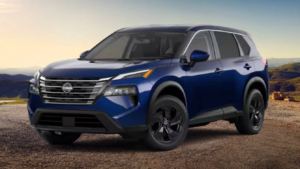
The company’s broader turnaround now depends heavily on producing vehicles that consumers want to buy. The Nissan Rogue e-Power is identified as a key part of that effort, with the success of its market launch described as heavily tied to the brand’s broader turnaround.
For Nissan, the decision to abandon the banking initiative puts the focus squarely back on its vehicles as the company works to strengthen its financial position.