Dreame Technology has ended its automotive ambitions less than a year after entering the industry, bringing its “Starry Sky” project and plans for an electric hypercar to a close. The company, which promoted ambitious performance claims and advanced technology, has now returned its focus to its remaining profitable businesses.
Dreame’s Automotive Project Comes to an End
Dreame Technology entered the automotive industry in August 2025, launching the “Starry Sky” project with high-profile events and launches aimed at promoting an electric hypercar positioned against Bugatti.
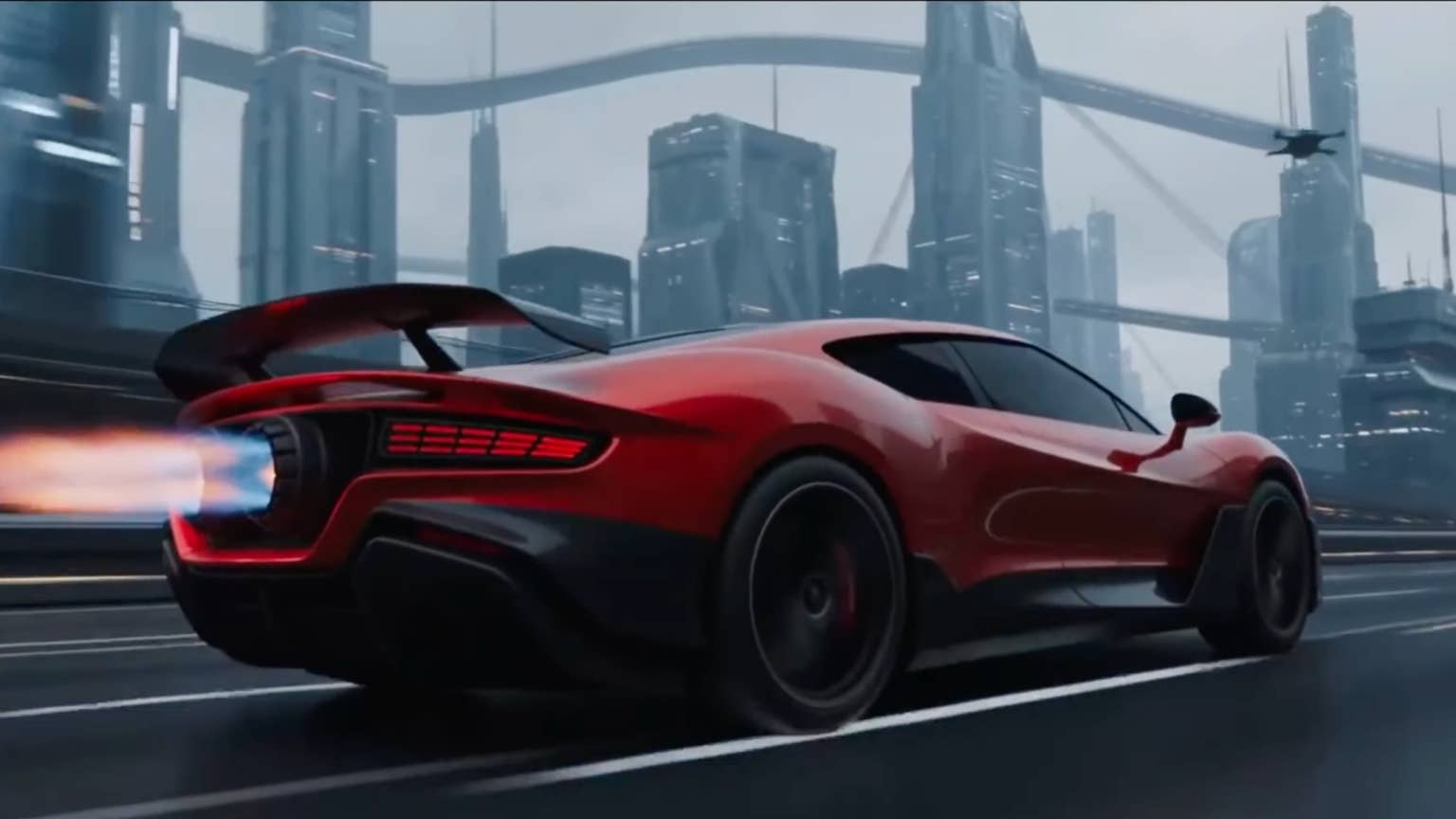
The company unveiled the Nebula Next 01 Jet Edition in January and showcased it at the 2026 Consumer Electronics Show in San Francisco. Its claimed specifications included a 0 to 62 mph time of 0.9 seconds, a 450 Wh/kg solid-state battery and an advanced LiDAR system.
Dreame had hired almost a thousand people to work on its automotive business. However, the workforce steadily declined throughout the year, eventually falling to just a few dozen employees.
The remaining employees were concentrated in finance, legal and human resources. Near the end of the company’s automotive operation, those workers were responsible for processing Dreame’s exit and dissolution of the project.
Ambitious Claims Surrounded the “Rocket Car”
During its automotive push, Dreame made ambitious claims about the performance of its proposed vehicle. The “Rocket Car” was promoted with a claimed 0 to 62 mph time of 0.9 seconds, a figure described as only a few tenths away from Top Fuel drag car territory.
The company also said the vehicle would use solid-state batteries. According to Dreame, the technology would offer high energy density while supporting high output and a CLTC estimated range of 341 miles.
Dreame CEO Yu Hao said the company would return its attention to its core business units that remain profitable. Those businesses include vacuums, robot lawnmowers, two-wheeled electric vehicles and the company’s “Magic Atom” brand of robots.
Questions Raised About the Car Project
While Dreame’s automotive claims attracted attention, internal sources described the project as more of a marketing and fundraising operation than an actual vehicle development program.
Former employees said the Nebula Next 01, which was unveiled at CES 2026, was a shell without a chassis and was brought in using a remote control.
The “Rocket Car” model was also reportedly a purchased shell from a Shanghai-based model company that was later modified with a chassis and accessories.
The reports characterized the project as “smoke and mirrors,” while questioning the substance behind the vehicle’s presentation.
Funding Issues and Government Investigations
Sources also reported that Dreame required employees to secure funding for its projects and research and development.
One former employee said Dreame used high salaries to attract talent from other organizations. According to the former employee, those recruited workers ultimately spent more time focused on financing than on developing a car.
The situation eventually led Dreame into trouble with the local government in China and resulted in investigations surrounding the use of investment funding.
Dreame Returns to Its Core Businesses
After roughly one year in the automotive industry, Dreame has ended its car project and shifted its attention back to the business units identified by CEO Yu Hao as profitable: vacuums, robot lawnmowers, two-wheeled electric vehicles and the “Magic Atom” robot brand.