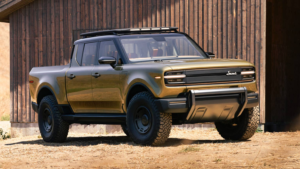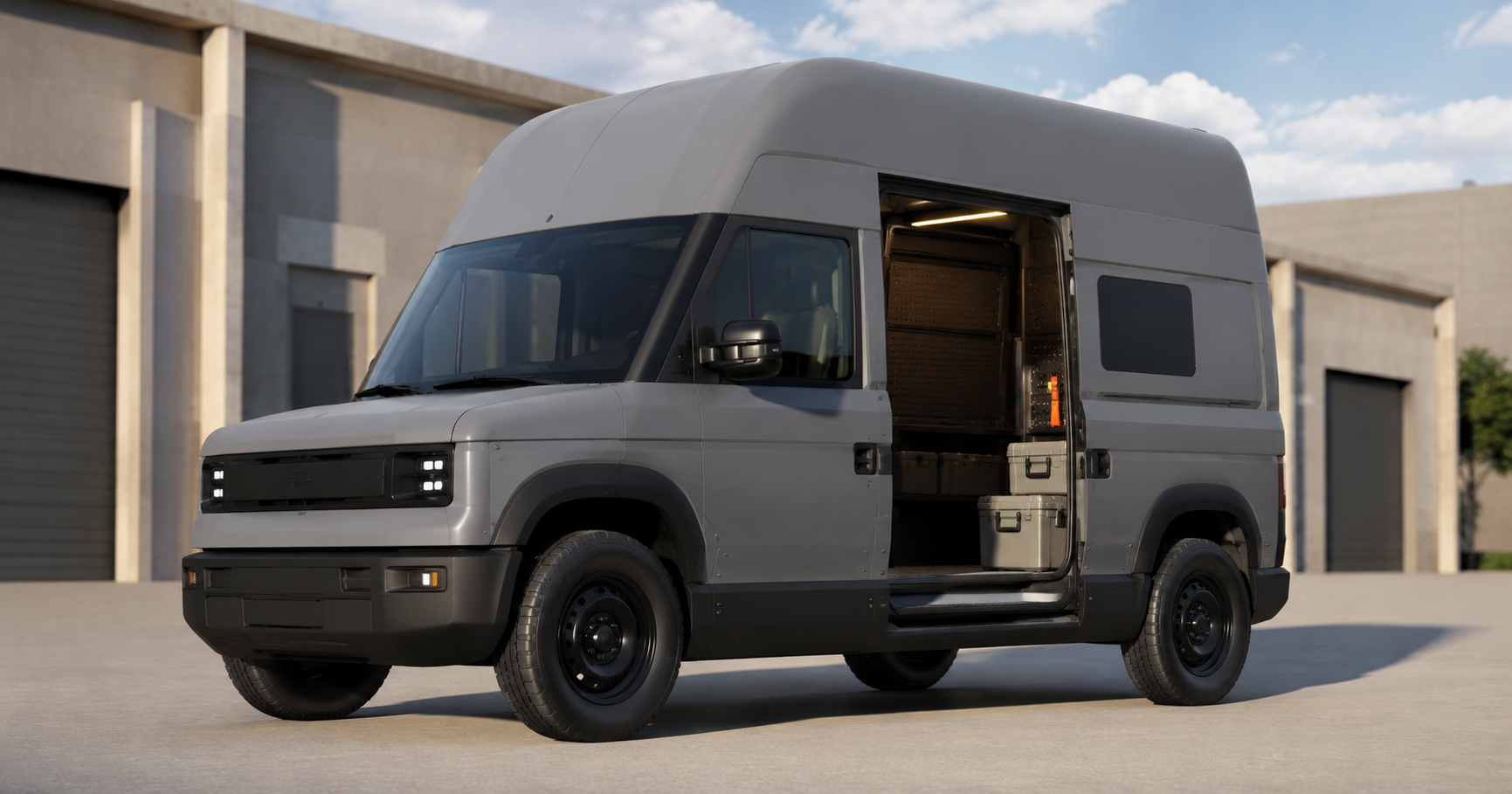
The Slate Truck could gain another body style beyond its pickup and SUV configurations, with two cargo van options reportedly in development. The new roof designs would give the compact electric vehicle additional cargo-carrying flexibility while potentially expanding its appeal to both fleet operators and private buyers.
Slate Could Offer Two Cargo Roof Designs
Instagram account Slate Auto Blog reported that Slate will offer two cargo variants, citing Slate Government Sales Lead and former member of the Fleet Business Development team Christian Kreipke.
The reported options would include the standard squared-off SUV roof as well as a more van-like high-roof design extending over the pickup roof. The higher roof would presumably provide enough interior space for people to fully stand inside the cargo area while accommodating particularly bulky items.
Buyers would also reportedly be able to choose between no windows, regular windows, or lift-open windows. Those configurations could provide different levels of security and accessibility depending on the intended use.
Cargo Roof Reportedly Starts at $3,000
According to Slate Auto Blog, the base price for the cargo roof option will be $3,000. That is presumed to apply to the standard SUV roof, as the full SUV kit with a roll bar and seats is currently the least expensive optional body style at $5,000 more than the base Truck.
The lower price could be because the cargo version of the SUV roof would not include the roll bar and seats. The reported cargo options would also be available to private customers, rather than being limited to fleet buyers.
Slate has been contacted for confirmation and additional details about the new roof option. No response had been received at the time of publication.
Could a Cargo Van Make Sense for Slate?
The cargo configuration could give Slate another potential path into the market. While the low-priced EV has appeal for private customers, vehicles such as the Chevy Bolt or Nissan Leaf could better meet some buyers’ needs with more features, greater refinement and four doors with seating for five, even if they cost slightly more.
For commercial buyers, the pickup configuration has potential, but there are also several low-cost truck options, including the Ford Maverick, that do not require charging. An open and unsecured truck bed may also have limited usefulness for some businesses, while the regular SUV roof could be inconvenient for certain cargo applications.
Slate Could Target the Compact Van Market
The compact van segment could present a different opportunity. Ford, Ram, Chevy and Nissan have all abandoned the segment, while Ram is bringing back the ProMaster City, which is bigger and more expensive than it used to be.
Ram has pointed out that many small van buyers are ready to get something new and do not want to move to a full-size van. Some of those buyers may choose the Ram, while others could prefer a smaller vehicle, with electrification providing another potential selling point.
Slate’s Electric Van Could Have a Range Advantage
The Slate could also compare favorably with its closest electric van competitors, the Ford E-Transit and Ram ProMaster EV, despite being smaller.
The Truck has an estimated 205-mile range, compared with 159 miles for the Ford E-Transit and a maximum 180 miles for the Ram ProMaster EV. The electric vans also start at more than $45,000, while the Slate has a roughly $30,000 price tag.
The larger vans can carry more and already have up-fitter support, but the Slate could offer fleets a lower-cost electric van option with a decent range.
Why the Cargo Variant Could Matter
Slate has relatively ambitious sales targets, and its initial body style designs raised concerns about whether those targets would be achievable. A van variant could broaden the company’s potential customer base by allowing it to target multiple types of fleet buyers as well as niche private customers seeking an inexpensive and unusual vehicle.
Other companies could also potentially explore custom roof options for more specialized uses, including camping. That could create additional sales opportunities for Slate.
Investor Jeff Bezos’s company Amazon could also be interested in buying some of the vehicles to supplement its fleet of Rivian delivery vans.
With a potential cargo van configuration, Slate’s broader game plan is beginning to take shape, although whether the strategy succeeds in reality remains to be seen.