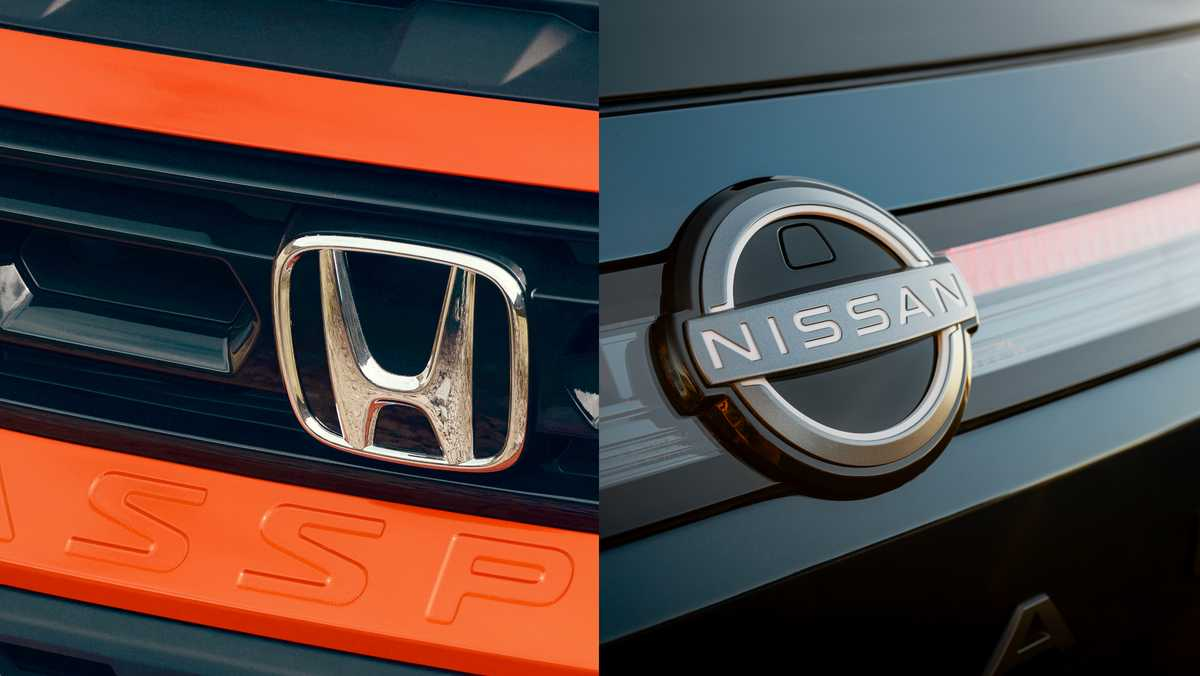
Honda and Nissan have reached an agreement to jointly develop key software and electronic systems, reviving cooperation after their proposed merger collapsed in February 2025. The partnership will focus heavily on software-defined vehicles, with concrete implementation expected for the fiscal year 2029.
Honda and Nissan Shift From Merger to Partnership
Honda and Nissan announced plans for a potential merger in December 2024, but the proposal was effectively over by February 2025. The power dynamic would have leaned heavily in Honda’s favor, and Nissan did not accept those terms, causing the discussions to quickly fall apart.
Despite the failed merger, the two automakers continued exploring ways to work together on a smaller scale. Joint software development emerged as one of the key areas of discussion, alongside the possibility of sharing hardware.
That cooperation has now moved forward. In an official press release dated August 31, the companies confirmed that their joint development efforts are ready to begin, following earlier indications in late July that they were pursuing shared electronic control units and operating systems.
Software-Defined Vehicles at the Center
The partnership will focus extensively on software-defined vehicles (SDVs), with concrete implementation expected for the fiscal year 2029.
Nissan’s technology will form the core of the shared electronic control units and the operating systems that run on them. Honda will provide extensive input as the systems are optimized for the companies’ joint development efforts.
Nissan also owns a 24% equity stake in Mitsubishi, meaning Mitsubishi is likely to benefit from the cooperation between Honda and Nissan as well.
Why Honda and Nissan Are Working Together
The partnership comes as both automakers face significant financial challenges. Honda reported its first annual loss since 1957 earlier this year after abandoning its EV ambitions.
Nissan, meanwhile, continues to lose billions and is working to address its financial difficulties. The new agreement allows Honda and Nissan to tackle their individual financial problems independently while still gaining some benefits from cooperation.
Lower Costs and Faster Technology Development
One of the main advantages of the partnership is expected to be a substantial reduction in research and development costs for both companies. That could be particularly important as new automotive technologies become increasingly expensive to develop.
The cooperation could also help Honda and Nissan compete more effectively with Tesla and Chinese companies in the software-defined vehicle market. Faster innovation, greater competitiveness and improved cost efficiency through economies of scale are central to the partnership.
A More Limited Alternative to a Merger
Rather than combining the two companies through a full merger, Honda and Nissan are pursuing cooperation in specific areas where their shared expertise can reduce costs and support technology development.
The arrangement could ultimately provide benefits for customers through lower costs and improved technology and quality. For now, the partnership gives Honda and Nissan a way to work together while continuing to address their individual challenges.