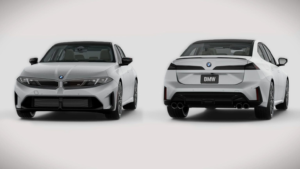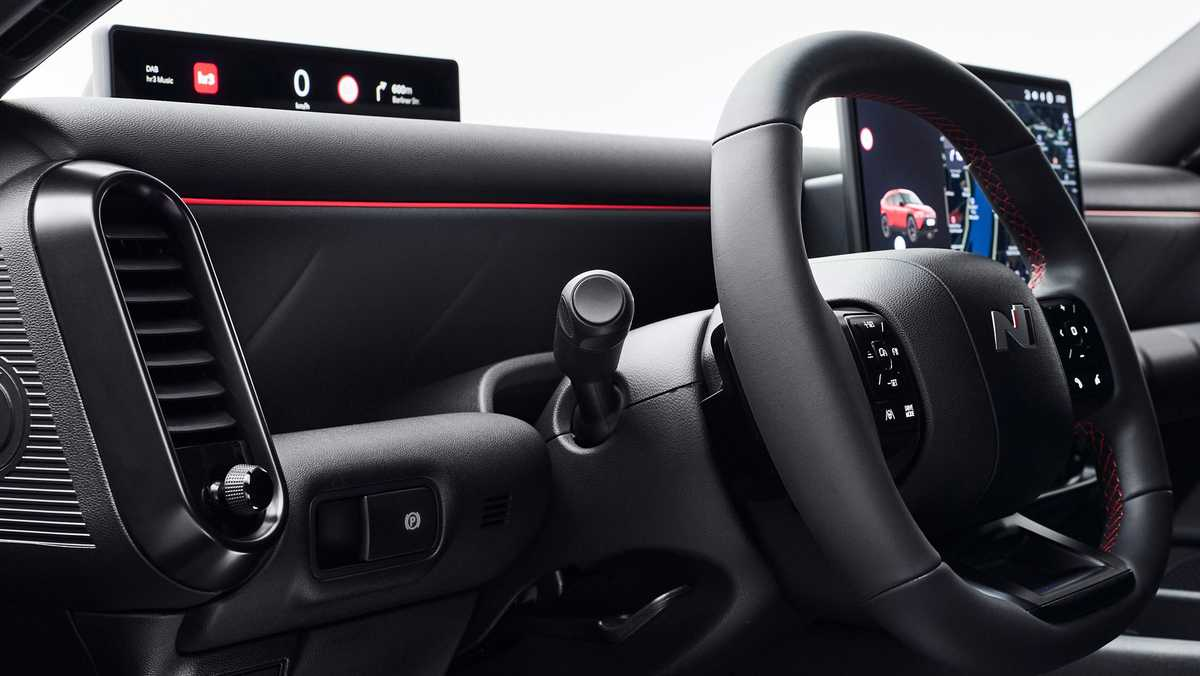
Hyundai is charging extra for a digital instrument cluster on the base Elantra sedan and Ioniq 3 electric hatchback in South Korea, making a feature that displays essential driving information a paid option. The move adds another example to a growing list of automakers charging customers separately for features that were once included with a vehicle.
Hyundai Charges Extra for the Instrument Cluster
As reported by Motor1, Hyundai is offering its digital 9.9-inch instrument cluster as a paid extra on the base Elantra, known locally in Korea as the Avante, and the Ioniq 3 electric hatchback.
The two models, along with the Grandeur flagship sedan, were recently equipped with Hyundai’s new Pleos Connect infotainment system, which runs on Android Automotive OS.
For now, the paid instrument cluster is limited to the South Korean market. Hyundai plans to roll the system out across about 20 million vehicles globally by 2030, including models from Kia and Genesis. The Ioniq 3 will be the first model to receive it in Europe.
On the Avante, customers must pay an additional 350,000 Korean won ($255) to have the digital cluster displaying their speed directly in front of them.
Drivers Otherwise Rely on the Central Display
Without the optional cluster, drivers have to rely on the central display for information such as speed, requiring them to take their eyes away from the road.
That decision is particularly notable because Hyundai is offering large central displays measuring either 12.9 or 14.6 inches on the Avante and Ioniq 3, while the more essential instrumentation is being offered as an optional feature for cost-cutting purposes.
Hyundai Joins a Broader Industry Trend
Hyundai’s approach follows other controversial examples of automakers charging customers for features through subscriptions or paid options.
BMW previously faced extensive backlash over subscription-based heated seats and an attempt to charge a monthly fee for Apple CarPlay. Mercedes charges a subscription fee for a power boost on the electric EQE and EQS, despite the powertrain having that capability by default.
Toyota has also required customers to subscribe to its Remote Connect service to use key fob remote start.
Questions Over Where Cost-Cutting Could Lead
The debate over paid vehicle features is no longer simply about business practices when essential driving information is involved. Making the instrument cluster optional can affect driver focus because customers without it must look toward the central display.
For years, features once viewed as luxurious or cutting-edge became commonplace, including air conditioning, power windows and airbags. The current trend appears to be moving in the opposite direction, with even vehicle instrumentation becoming subject to cost-cutting measures.
How the wider public will react to Hyundai’s decision remains to be seen. For consumers, the growing number of paid features raises concerns about what car ownership could look like in the years ahead and whether some aspects of vehicles are moving backward rather than forward.