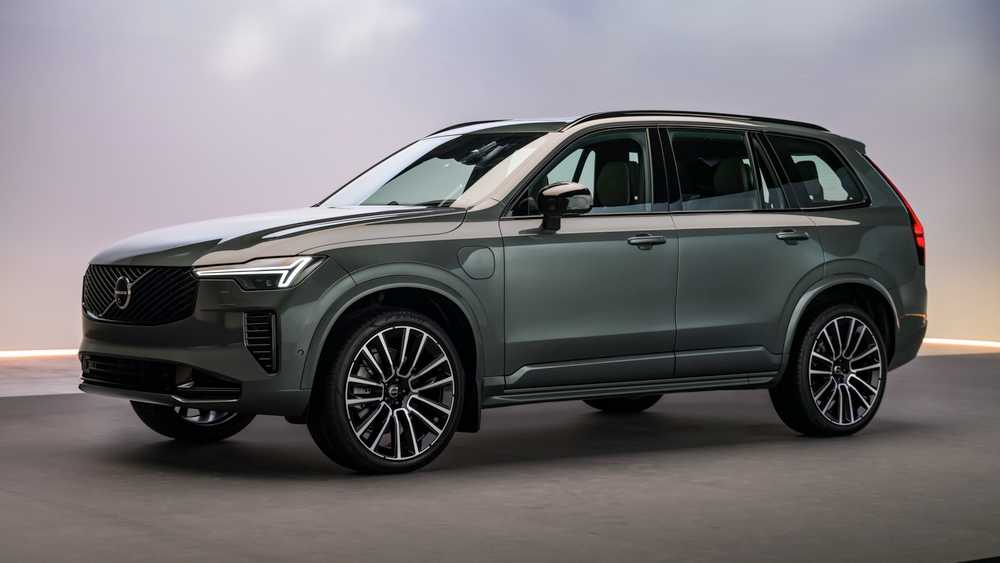
Volvo is preparing a new generation of 2028 PHEVs designed to address one of the biggest limitations of plug-in hybrids: their relatively short electric-only range. The upcoming XC60 PHEV is expected to deliver 78 miles of all-electric range, while the XC90 will offer 73 miles before its gas engine kicks in.
Volvo Targets a Longer-Range PHEV
Plug-in hybrids are designed to combine electric driving with the flexibility of a gasoline engine. Drivers can charge the battery overnight, travel on electric power until the battery is depleted, and then rely on the engine as a regular hybrid.
However, many PHEVs offer only about 30 to 40 miles of electric range. That can make regular charging feel like considerable effort for relatively limited electric driving, particularly when combined with the added cost of a PHEV.
The average daily commute in the U.S. is a 41-mile round trip, according to the source, making electric range an important consideration for PHEV buyers.
Volvo is attempting to address that limitation with its upcoming XC60 PHEV. The midsize SUV will use a 41.2-kWh battery that Volvo is confident will provide 78 miles of all-electric range.
That would give the XC60 PHEV the longest all-electric range in the U.S. market. The Volvo XC90 will also offer 73 miles of electric range before its 2.0-liter gas engine kicks in.
Longer Electric Range Could Reduce Charging Friction
The electric ranges planned for the XC60 and XC90 should accommodate all but the longest commutes, while also leaving room for some errands. That could provide a stronger incentive for owners to keep their vehicles charged at home.
But Volvo’s long-range PHEVs will face another emerging type of hybrid powertrain: extended-range electric vehicles, or EREVs.
EREVs Could Offer Another Alternative
EREVs also use a combustion engine, but the engine is designed to power electric motors and charge the onboard battery rather than drive the wheels.
These vehicles are expected to offer substantial electric-only range that could exceed Volvo’s new PHEVs. However, their practicality and affordability remain to be seen.
Ford and Stellantis have been promoting EREVs for full-size trucks and SUVs, promising the instant torque and power of an EV along with the ability to stop at gas stations when charging with electricity is not possible.
Those vehicles have yet to reach the market. Stellantis has delayed its plans, while Ford’s next-generation F-150 Lightning remains nowhere in sight.
Volvo Sees PHEVs as a Bridge to EVs
Automakers that viewed all-electric vehicles as the future have increasingly turned toward regular hybrids and PHEVs as a stepping stone to full electrification.
Akhil Krishnan, Global Head of Program Management at Volvo Cars, told CarBuzz that Volvo started specifically with the XC60 because developing a new vehicle capable of targeting an 80-mile PHEV range was expected to take three years.
Instead, the development took just under two years. Volvo now views its long-range PHEVs as a bridge to all-electric vehicles for its customers.
“We think that the plug-in hybrid propulsion is the perfect stepping to electrification, so that we give the customers the electrified benefits without having any, any concerns about range. So we believe that customers that do move into these long-range plug-in hybrids, they will enjoy the full electric experience, and they will adapt towards getting an all-electric car next.”
— Olof Landin, Commercial Product Lead, Volvo Cars.
With 78 miles of expected electric range for the XC60 PHEV and 73 miles for the XC90, Volvo is positioning its upcoming plug-in hybrids as a longer-range option for drivers moving toward fully electric vehicles.