

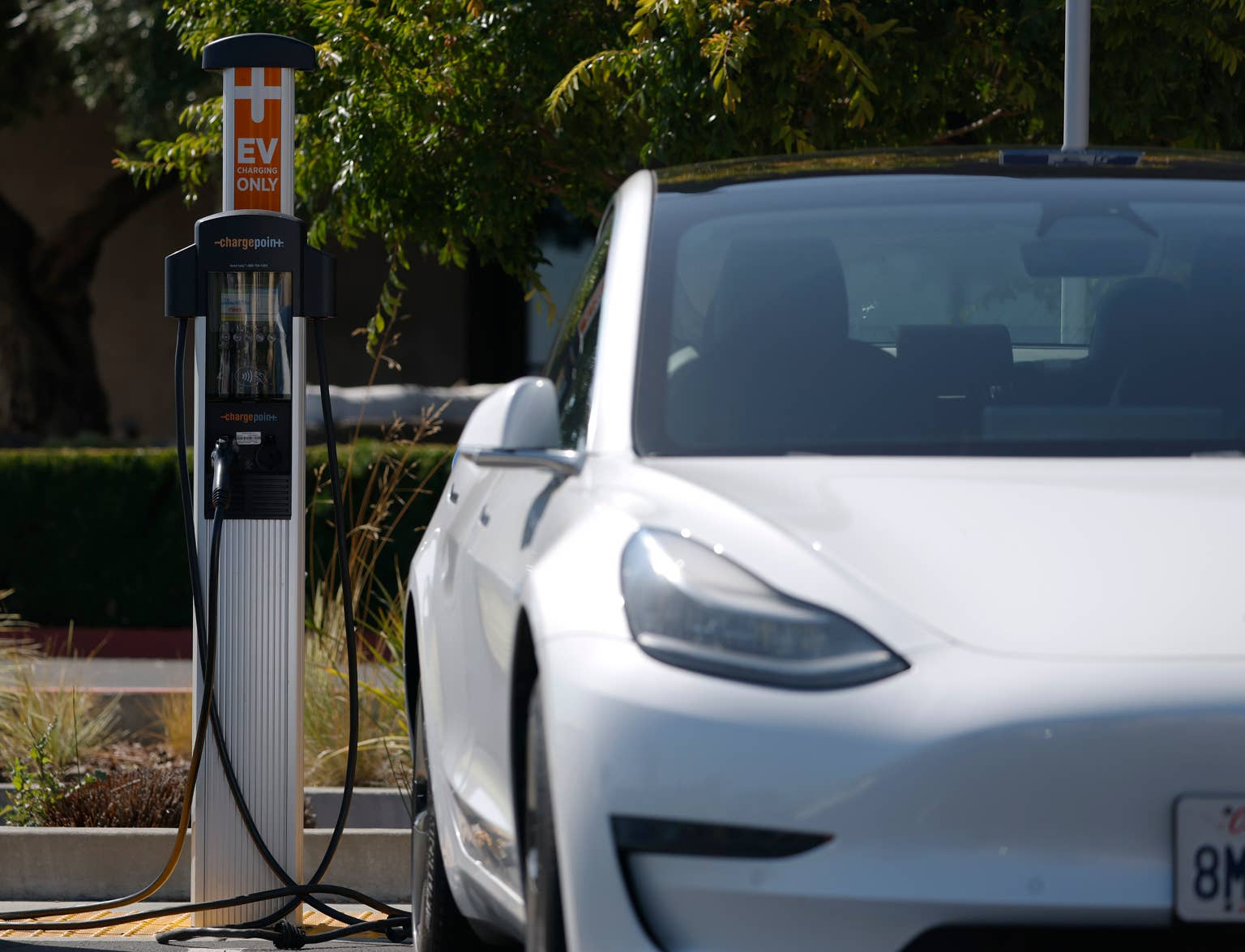
As America moves toward a more electrified automotive landscape, the challenge is shifting from simply adding chargers to ensuring the existing charging infrastructure can operate reliably at scale. With more than 80,000 public charging stations across the country, reliability is becoming increasingly important for both motorists and EV fleets.
Charger Reliability Is the Next Challenge
The number of charging stations has grown over the years, with new players also entering the market. But as more motorists depend on charging stations, keeping that infrastructure operational is emerging as a major challenge.
For drivers, a nonworking charger can be an inconvenience. For companies operating EV fleets, however, downtime can be significantly more costly because vehicles that cannot charge cannot remain active in their operations.
A study conducted by ChargerHelp identified charger recovery as the next challenge in improving EV infrastructure. As charging stations age, repairs and maintenance are becoming increasingly important.
The study found that common charging problems are easier to identify and resolve. However, smaller but significant issues can be “less obvious, more complex, and harder to diagnose.” These faults can leave a charger inoperable or unsafe to use, reducing the number of charging options available to EV fleets.
Charging Problems Can Take Weeks to Resolve
According to the study, charging issues requiring multiple work orders took a median of 32 days to resolve. Problems requiring only a single visit still took about seven days to fully repair.
Several factors contribute to those delays. Diagnostics can begin before maintenance personnel are dispatched, but some problems require longer to identify. Repeat repairs can keep a charger out of service for even longer, while operational bottlenecks and other constraints can further slow the process.
Aging chargers also underscore the importance of stronger long-term maintenance. Simply adding another charger to replace an older one is not an immediate solution, and doing so would be costly and wasteful.
Coordination and Communication Are Key
ChargerHelp said improving coordination and communication can help speed up the repair process. That coordination involves not only maintenance teams but also charger manufacturers and the companies responsible for keeping charging stations operational.
“It finds that reducing Mean Time to Repair (MTTR) depends more on improving visibility into charger health, accelerating diagnostics, and enabling stronger collaboration across hardware manufacturers, charging networks, software providers, service organizations, utilities, and site hosts,” the study said.
ChargerHelp CEO Kameale Terry also emphasized that quickly sending a technician to a site does not necessarily mean the problem will be resolved.
“These are connected assets, and getting someone on site in two hours does not mean the problem is solved. Without the right data, permissions, manufacturer support or parts, a charger can still be down for days,” Terry said.
“As this infrastructure becomes more sophisticated and more integrated with distributed energy resource management systems and other smart energy assets, we need to understand much more about how these systems perform and interact. The industry needs better visibility into asset health and stronger coordination across the organizations responsible for keeping chargers operating reliably,” Terry added.
The Need for Faster Improvements
These changes cannot happen overnight, but the study highlights the need to improve charger reliability as the automotive industry becomes increasingly electrified.
Range anxiety remains a factor in why some consumers and fleet operators are reluctant to go fully electric, even as vehicles can travel much farther on a charge than before. At the same time, battery and powertrain technologies are evolving rapidly, making reliable charging infrastructure increasingly important.