
General Motors is losing ground to Toyota in the U.S. market as demand shifts toward hybrids, a segment where GM has little to offer mainstream buyers. According to Cox Automotive data, GM’s U.S. market share fell from 17.6 percent in the first half of 2025 to 16.8 percent over the same period this year, while Toyota’s share increased from 15.5 percent to 15.8 percent.
GM’s Hybrid Gap Is Becoming More Significant
The shift comes as hybrids continue gaining a larger share of the U.S. auto market. Hybrid share increased from 16 percent in February to 19 percent in August, driven largely by gas prices spiking after the Iran war began. One analyst projects hybrids could account for 34 percent of the market by 2031.
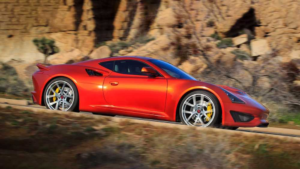
Toyota captured 49.2 percent of the U.S. hybrid market in the first quarter alone. GM, by comparison, currently offers just two hybrids in the U.S. market: the $111,000 Corvette E-Ray and the $227,000 Corvette ZR1X.
Neither model is aimed at the mainstream buyers driving the hybrid surge. Reuters industry sources say GM showrooms could remain effectively hybrid-free in that mainstream sense until near the end of the decade, despite GM acknowledging the gap and promising changes since January.
Volkswagen Faces a Different Electrification Problem
Volkswagen Group has also struggled in the U.S., although its challenge is centered on battery-electric vehicles rather than hybrids. The company reported that first-quarter BEV deliveries across all its brands in the U.S. fell 80 percent year-over-year, from 19,900 units to 4,000.
The Volkswagen brand currently sells zero hybrids of any kind in the U.S., putting it in an unusual position as it competes with Toyota and Honda’s hybrid-focused lineups.
That strategy is beginning to change. Volkswagen announced just over a week ago that it would accelerate hybrid versions of the Tiguan, Atlas and Atlas Cross Sport as part of what it calls a dedicated North America strategy.
Why Hybrids Are Gaining Ground in the U.S.
The U.S. market’s shift toward hybrids contrasts with the recent performance of electric vehicles. U.S. EV market share fell from 14.4 percent in September 2025 to 7.1 percent this May after federal EV tax credits were eliminated.
Europe has moved in the opposite direction despite facing similar gas-price pressure. One in four new cars sold there is now an EV, highlighting how the policy environment, alongside fuel prices, can influence which electrified technology gains traction in a market.
GM and VW Begin Changing Course
Neither GM nor Volkswagen is ignoring the challenge, but both are attempting to respond after falling behind in key areas of the electrified-vehicle market.
GM CEO Mary Barra has remained personally skeptical of hybrids even as the company plans plug-in hybrids for North America. Earlier this year, she told reporters that she still believes EVs will win because they are simply “better vehicles.”
That position contrasts with GM’s current product planning, which is moving toward adding plug-in hybrids as the company responds to changing market conditions.
Toyota’s current advantage reflects a different approach. The company never treated hybrids as a stopgap, and that long-term commitment has left it with a much larger presence in the hybrid market as GM and other rivals work to catch up.
GM’s declining U.S. market share and Toyota’s modest gain underscore the growing importance of hybrids in the American market, while both GM and Volkswagen are now adjusting their strategies around changing demand for electrified vehicles.