
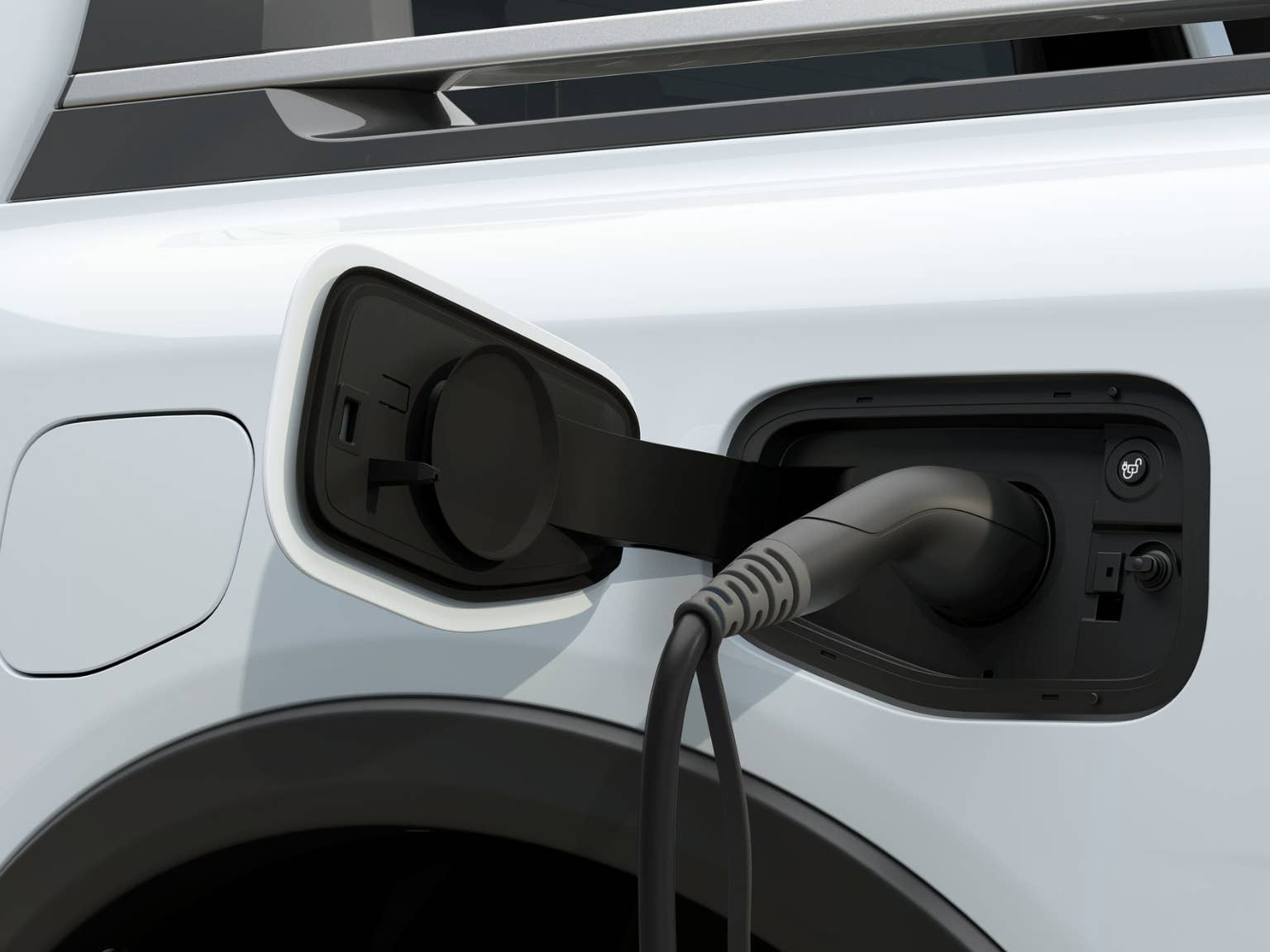
Plug-in hybrid electric vehicles (PHEVs) offer electric-only driving and plug-in charging while retaining a gas engine and fuel tank, but that added complexity may come with reliability concerns. Consumer Reports found that PHEVs experience roughly 80% more issues on average than gas-only vehicles, while Australian EV-battery testing specialist Test EV says PHEVs are disproportionately represented among electrified vehicles with battery problems.
Why PHEV Batteries May Face Greater Demands
Test EV told carsales that PHEVs are “disproportionately represented among electrified vehicles suffering battery problems.” The company points to the size and usage of PHEV battery packs as one possible explanation.
High-voltage batteries in PHEVs tend to be smaller than those used in battery-electric vehicles while still powering potent electric motors. Many PHEV batteries fall in the 15–25-kWh range, significantly smaller than the packs found in some EVs. The GMC Hummer EV, for example, features a battery pack rated at over 200 kWh.
Because of their smaller capacity, PHEV batteries can undergo more frequent cycling and face greater demands relative to their size. This can potentially accelerate degradation and increase the risk of battery-related problems.
Regular Charging Remains Important
The report does not necessarily discourage buyers from choosing a PHEV. Instead, owners are advised to plug their vehicles in regularly to get the most from the battery and maximize the advantages of owning a plug-in hybrid.
“There is plenty of feedback from years of PHEVs in the market that they need to be charged regularly to get the best out of the battery and fuel economy,” Test EV founder Nathan Gore-Brown said.
PHEV Demand Remains Strong in Australia
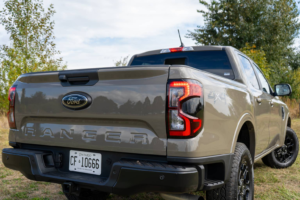
The findings are particularly relevant in Australia, where demand for PHEVs is strong. Ford offers a Ranger with a plug-in option there, while the Mitsubishi Outlander PHEV remains a top seller among non-Chinese models.
BYD leads Australia’s PHEV market with the Shark 6, followed by other Chinese brands, including Geely and Chery.
What the Findings Mean for U.S. PHEV Buyers
The report also offers insights for current and prospective PHEV owners in the U.S., particularly those considering a used vehicle. PHEVs have struggled to gain broad traction among American buyers, with Jeep discontinuing its Wrangler 4xe and Grand Cherokee 4xe for the 2026 model year.
Brands such as Ram are instead pursuing range-extended electric vehicle (EREV) powertrains. These vehicles share similar components with conventional PHEVs, but propulsion comes solely from electric motors, while the gas engine drives a generator.
For PHEV owners, Test EV’s findings emphasize the importance of regular charging, while also highlighting potential battery-related reliability concerns associated with the technology.