
The U.S. electric vehicle market is facing a difficult recovery nearly a year after the repeal of federal EV tax credits triggered an initial buying surge followed by a prolonged slump. With incentives gone and the Trump administration relaxing fuel-economy standards, automakers are adjusting their powertrain strategies by expanding hybrid production and reinvesting in combustion engines.
EV Sales Continue to Decline
According to a report from Automotive News, Mobility Global data shows that July marked the 10th consecutive month of declining EV registrations. Volume fell 31 percent to 85,714 units, reducing EV market share to 6.2 percent from 8.9 percent a year earlier.
Chevrolet and Ford recorded some of the steepest declines, with EV registrations falling 72 percent and 69 percent, respectively, as government incentives expired.
Hybrids Gain Momentum
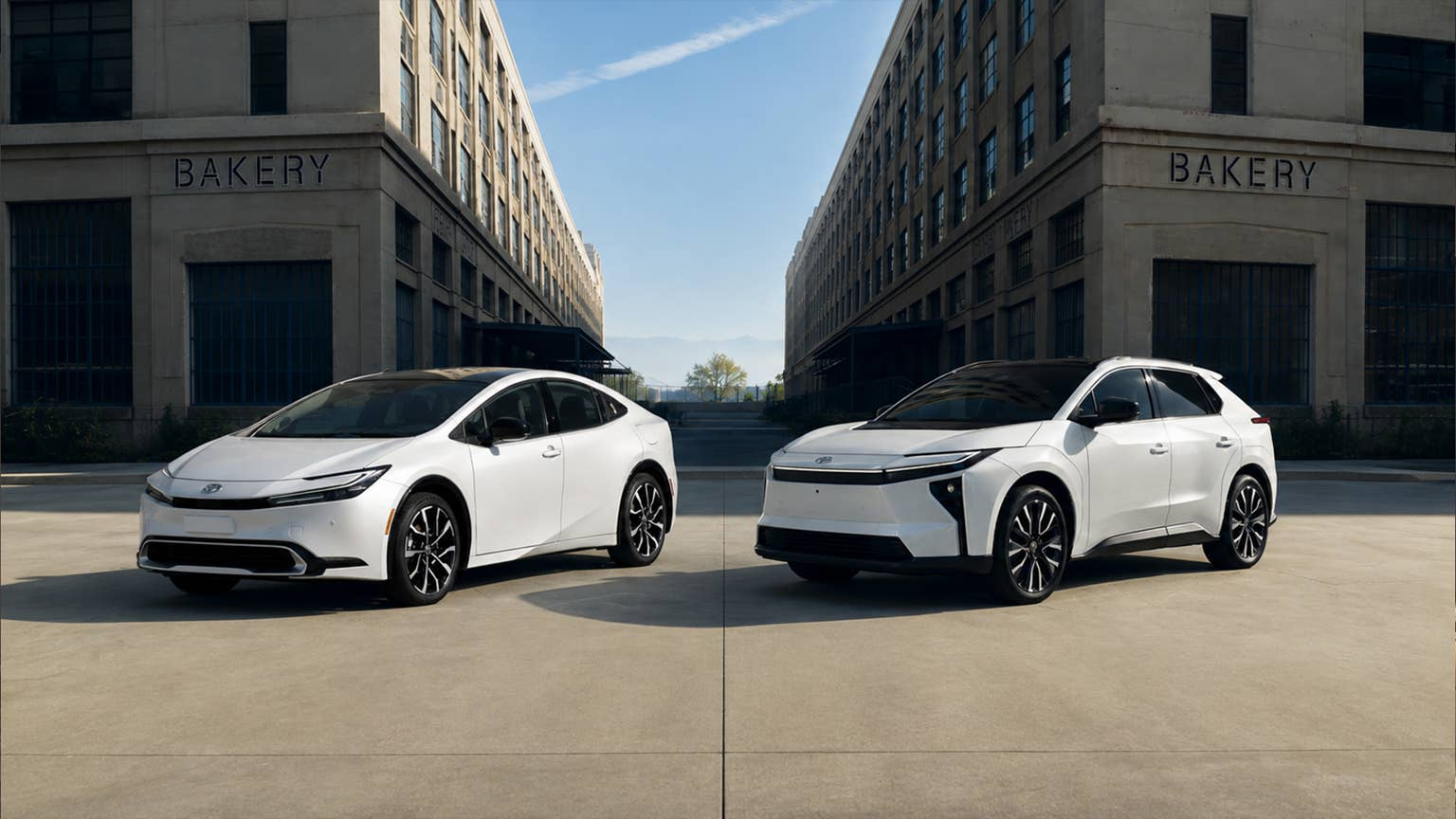
Automakers emphasizing hybrid vehicles are seeing stronger results. Toyota recorded an 86 percent increase in July EV registrations, driven by its new C-HR, while its broader alternative-powertrain lineup continues to perform strongly.
Toyota’s plug-in hybrid strategy is attracting buyers focused on efficiency, and the automaker’s hybrid lineup now outsells its gas-only vehicles across the country.
The changing market is also prompting automakers to delay some EV plans. Mazda recently pushed its first EV debut to 2029 while prioritizing hybrids.
Hybrid vehicles accounted for 16.4 percent of the market in July, highlighting the growing role of gas-electric models during the current transition.
Automakers Recalibrate EV Strategies
The shift is prompting manufacturers to reassess aggressive EV roadmaps as consumer demand and changes to emissions rules reshape their plans. Industry analysts view the move as a way to reduce billions of dollars in EV program losses.
Karl Brauer of iSeeCars said manufacturers are responding to actual consumer demand rather than speculative targets. The strategy could provide financial relief for automakers while giving consumers greater access to hybrid models without the high price premiums and charging obstacles associated with EVs.
Hybrids Become a Bridge to EVs
Hybrids are increasingly positioned as a bridge between traditional gas-powered vehicles and fully electric models, offering fuel efficiency without requiring consumers to change their driving habits.
By supporting profits through gas and hybrid vehicles, automakers can maintain capital for the development of more affordable EVs over the long term.
For now, the market is shifting toward a powertrain strategy shaped increasingly by consumer demand, with hybrids playing a growing role as automakers adjust their EV plans.