
Nissan is moving away from piano black interior trim after customers complained about fingerprints, dust and scratches, according to Ponz Pandikuthira, the company’s Chief Product Planning Officer for Nissan North America.
Nissan Says Customers Drove the Change
In an interview with automotive news outlet The Drive, Pandikuthira said Nissan is phasing out piano black plastic from its interiors. He described the decision as “Definitely consumer-driven.”
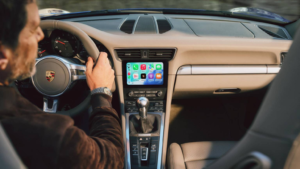
The glossy finish has become common across the automotive industry, but it has also attracted complaints because it shows fingerprints, collects visible dust and tends to scratch over time.
Those characteristics can be especially inconvenient when the material is used around buttons, knobs and screens that drivers and passengers touch frequently. Nissan’s decision marks a move toward different materials in those areas.
Nissan Is Also Moving Away From Chrome
Nissan is not the only automaker changing its approach to shiny exterior trim. Other companies have also started moving away from chrome, although their reasons differ.
When Jeep revealed the Wagoneer S, the brand said it would not use chrome for environmental reasons. Chrome plating involves chemicals that Jeep said did not fit with an electric vehicle that is ostensibly more environmentally friendly.
BMW is also moving away from traditional chrome, but its approach is aimed at creating a more noticeable appearance. The company is replacing metal with illuminated badges, grilles and trim designed to stand out during both the day and night.
Nissan Rogue Hybrid Shows the New Design Direction
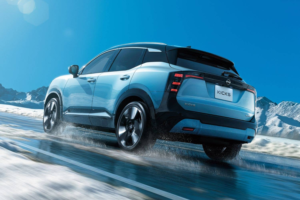
The Rogue Hybrid is an early example of Nissan’s changing design philosophy. Its exterior has no chrome, while its interior uses matte, textured plastic in areas where piano black plastic would likely have appeared in the past.
The Nissan Leaf also avoids glossy plastic inside. Its exterior metallic trim uses a darker satin finish rather than bright chrome.
However, Nissan has plenty of models that were redesigned a couple of years ago or more and still feature some of the materials the company is moving away from.
The Pathfinder and Armada, for example, retain plenty of shiny black plastic inside. The Armada also has substantial amounts of chrome, particularly on versions where buyers may still want more noticeable exterior trim.
Piano Black Remains Common Across the Industry
Nissan is not alone in having used piano black trim to give vehicle interiors a more luxurious appearance. Toyota and Volkswagen have also used the material on higher trim levels, including Toyota’s Nightshade trims.
Subaru, Kia and Hyundai have similarly offered piano black trim on higher-level models, with some vehicles charging extra for it.
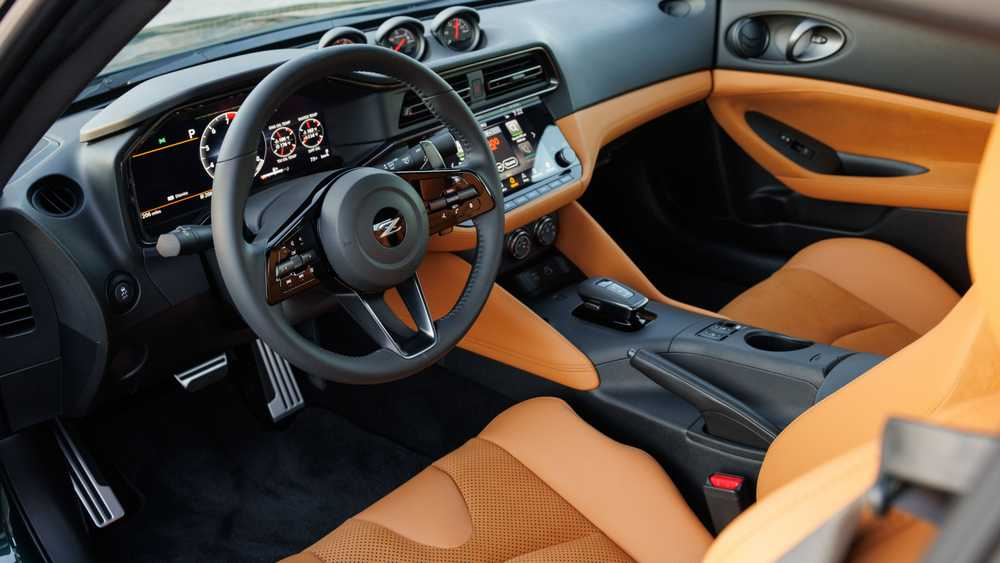
Nissan has not completely moved away from the material yet. The Nissan Z still uses piano black trim around its steering controls, an area that can quickly show fingerprints.
Other vehicles demonstrate that upscale interiors can use different finishes. The Kia EV9, for example, uses matte, satin or chrome trims rather than relying on piano black.
Nissan’s latest vehicles indicate that the company is beginning to move away from piano black interiors and some traditional exterior chrome, following customer feedback about the practicality and appearance of those finishes.