
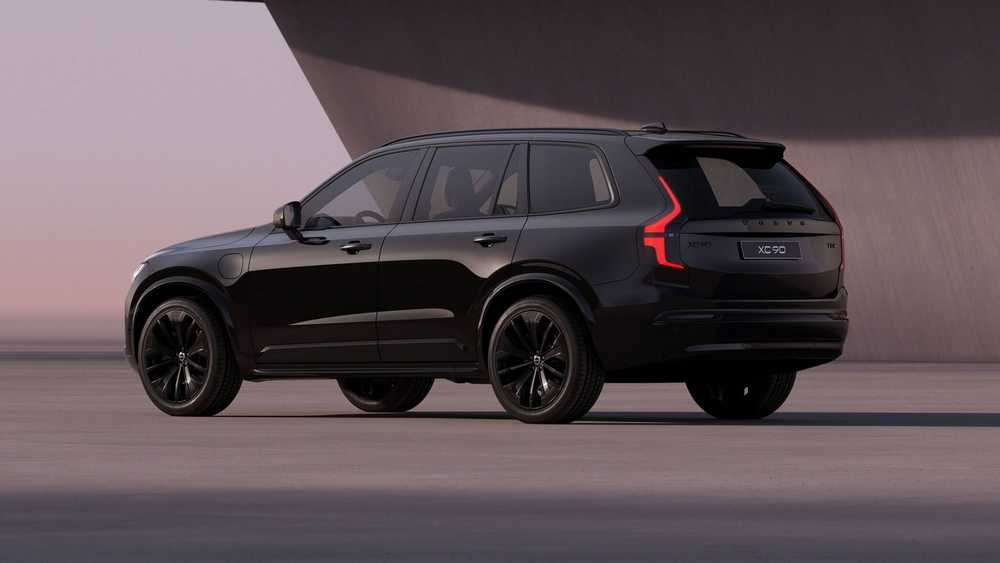
Volvo Cars reported a difficult third quarter, with global sales falling 10.7% year over year to 141,609 vehicles and the automaker withdrawing its previous short-term 2026 volume and cash-flow outlook.
Volvo Sales Decline for Third Straight Quarter
The Swedish automaker’s third-quarter results extend a broader sales downturn. Volvo’s sales also declined during the first two quarters of 2026 and throughout 2025, while the company said increasingly difficult market conditions have weakened its near-term outlook.
Volvo attributed much of the latest decline to slowing sales in the United States and China, its two largest individual markets.
Volvo Struggles in the Americas
Volvo does not separately report U.S. sales, but sales across the Americas dropped 14% year over year in the third quarter to 30,777 vehicles. The company pointed to weaker demand in the luxury segment.
Gas-powered vehicles continued to account for the largest share of Volvo’s sales in the Americas. The company sold 19,395 gas-only vehicles, down 4% from a year earlier, while hybrid sales fell 9% to 7,756 units.
Electric vehicle sales were significantly weaker. Volvo sold 3,626 EVs in the Americas during the quarter, a 47% decline from the same period last year.
The company has introduced new electric vehicles, including the recently launched Volvo EX30 and Volvo EX60, but demand for EVs declined sharply during the quarter.
China Sales Drop More Than 40%
Volvo’s performance in China was even weaker. The automaker reported 20,284 sales in the country during the third quarter, down 40.6% from a year earlier.
EV sales in China totaled 968 vehicles, a 29.9% decline. Hybrid sales provided a notable exception, rising 45.7% to 5,316 vehicles.
Sales of combustion-powered models plunged 52% to 14,000 units. Volvo blamed intense competition from local brands and weakening demand, particularly in the luxury segment.
Volvo Withdraws 2026 Sales and Cash-Flow Outlook
Following the sales report, Volvo removed its earlier statement regarding short-term volume and cash-flow targets. The company said:
“An increasingly challenging market situation and deteriorating near term market outlook has resulted in lower-than-expected sales and a weaker full year outlook for Volvo Cars. Therefore, Volvo Cars will not fulfill the previous full year 2026 outlook statements on volume and cash flow.”
Volvo said it is taking decisive action to improve and accelerate its recovery plans, but the automaker did not provide an updated short-term forward-looking statement.
Europe Provides Some Relief
Volvo’s European sales, grouped with sales from the rest of the world, rose 2% to 90,548 vehicles during the quarter, bucking the broader decline.
EV sales across these markets increased 51% during the quarter. The report attributed the rise largely to higher gas and diesel prices since the start of the Iran war in February, which has particularly affected Europe as prices were already high before the conflict.
The stronger demand in Europe helped Volvo’s total EV sales increase 28.6% from a year earlier. Battery-electric models accounted for almost one-third of all Volvo vehicles sold during the quarter.
Electrified models, including EVs and hybrids, represented 53% of Volvo’s total sales in the third quarter, up 4.6% year over year.