
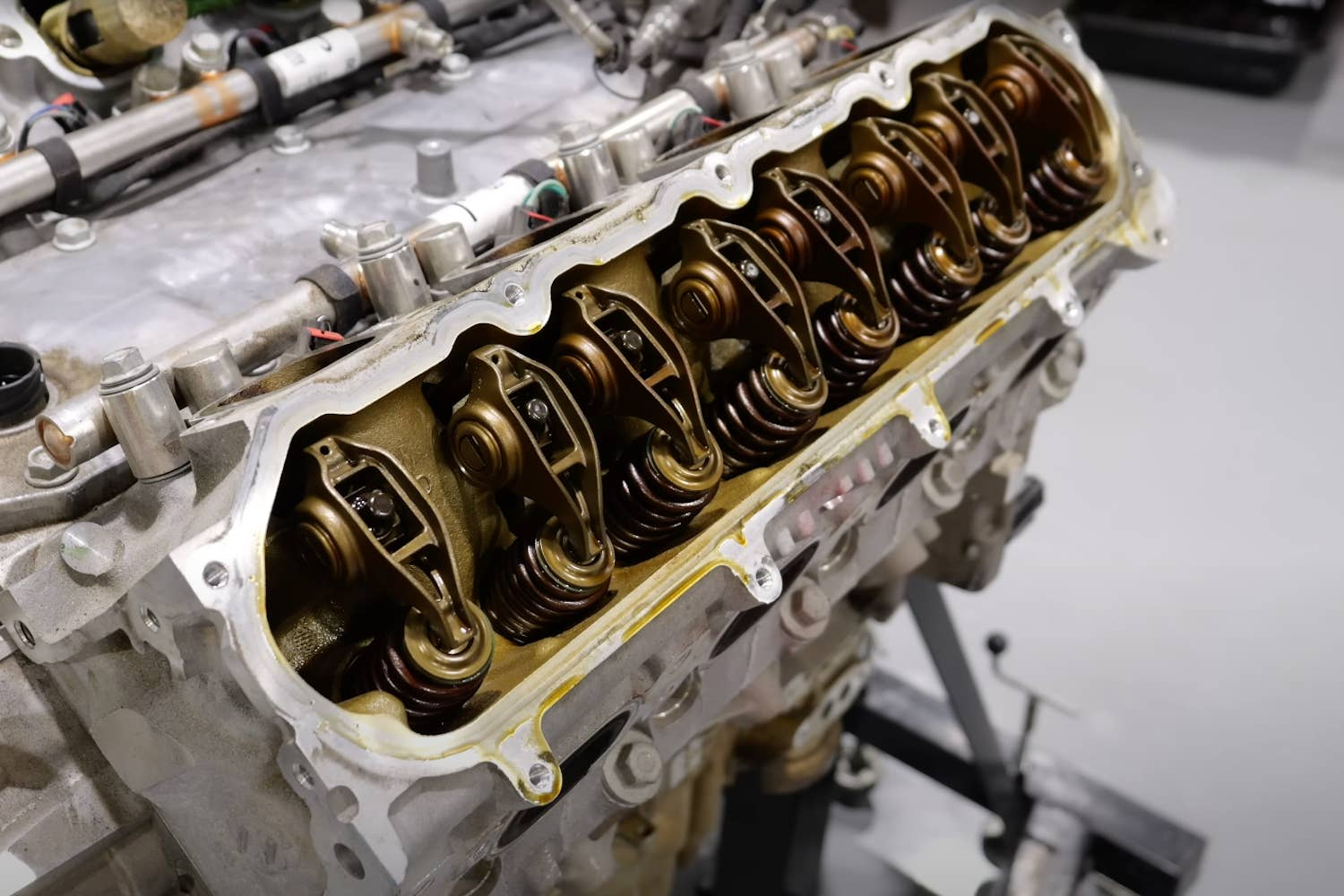
General Motors is facing a new federal investigation into its L87 6.2-liter V8 after the National Highway Traffic Safety Administration said it received 499 complaints alleging engine failures following a previous recall remedy. The investigation covers nearly 1 million GM vehicles from the 2021-2026 model years equipped with the engine.
Nearly 1 Million GM Vehicles Under Investigation
NHTSA’s Office of Defects Investigation said its new Engineering Analysis involves 997,743 vehicles equipped with the L87 engine. The agency’s report identifies at least one crash or fire, one injury incident and 6,050 total reports of engine failure.
The complaints include vehicles that received the higher-viscosity oil provided under recall 25V-274, as well as vehicles that underwent complete engine replacements. The ODI received 473 complaints involving vehicles that received the thicker oil and 26 complaints involving vehicles that received replacement engines.
The agency also received 191 reports of L87 engine failures involving engines produced after the production period identified in the recall.
Recall Remedy Under New Scrutiny
The L87 has faced increasing scrutiny over the past year, including lawsuits filed by owners against GM for millions of dollars. The legal action culminated in one large lawsuit late in 2025.
GM previously argued that the engine failure rate was only 3 percent. However, complaints continue to emerge despite the recall remedy, which included providing thicker oil.
GM has attributed the issue to manufacturing and quality shortcomings at its supplier. The new NHTSA investigation is expected to examine the engine failures more closely.
What May Be Causing the L87 Engine Failures
Independent analysis suggests that microscopic ridges on the L87 crankshaft may cause oil pressure to rise and fall dramatically. Those fluctuations can lead to tiny impacts on connecting rod bearings and ultimately result in engine failure.
That could explain why GM believed thicker oil might help address the problem. However, the L87’s tight clearances may require a more focused solution.
GM Vehicles Equipped With the L87 V8
- Chevrolet Silverado 1500
- Chevrolet Tahoe
- Chevrolet Suburban
- GMC Sierra 1500
- GMC Yukon
- GMC Yukon XL
- Cadillac Escalade
- Cadillac Escalade ESV
GM Plans to Replace the L87
The L87 is on its way out and is set to be replaced by a new Gen 6 small-block V8 related to the LS6 V8 in the new Chevy Corvette Grand Sport and Stingray.
GM is expected to move some manufacturing processes in-house to improve consistency and quality. The new engine will be offered in 5.7-liter and 6.6-liter forms and supported by new investments in North American production.
The new powertrain will appear in vehicles such as the next-generation Silverado and Sierra. Meanwhile, understanding what caused the failures of the 6.2-liter L87 could provide information that benefits GM’s future engines and vehicles.
For now, the NHTSA’s new investigation puts the L87 back under federal scrutiny as complaints continue involving engines that received recall remedies as well as engines produced outside the period covered by the recall.