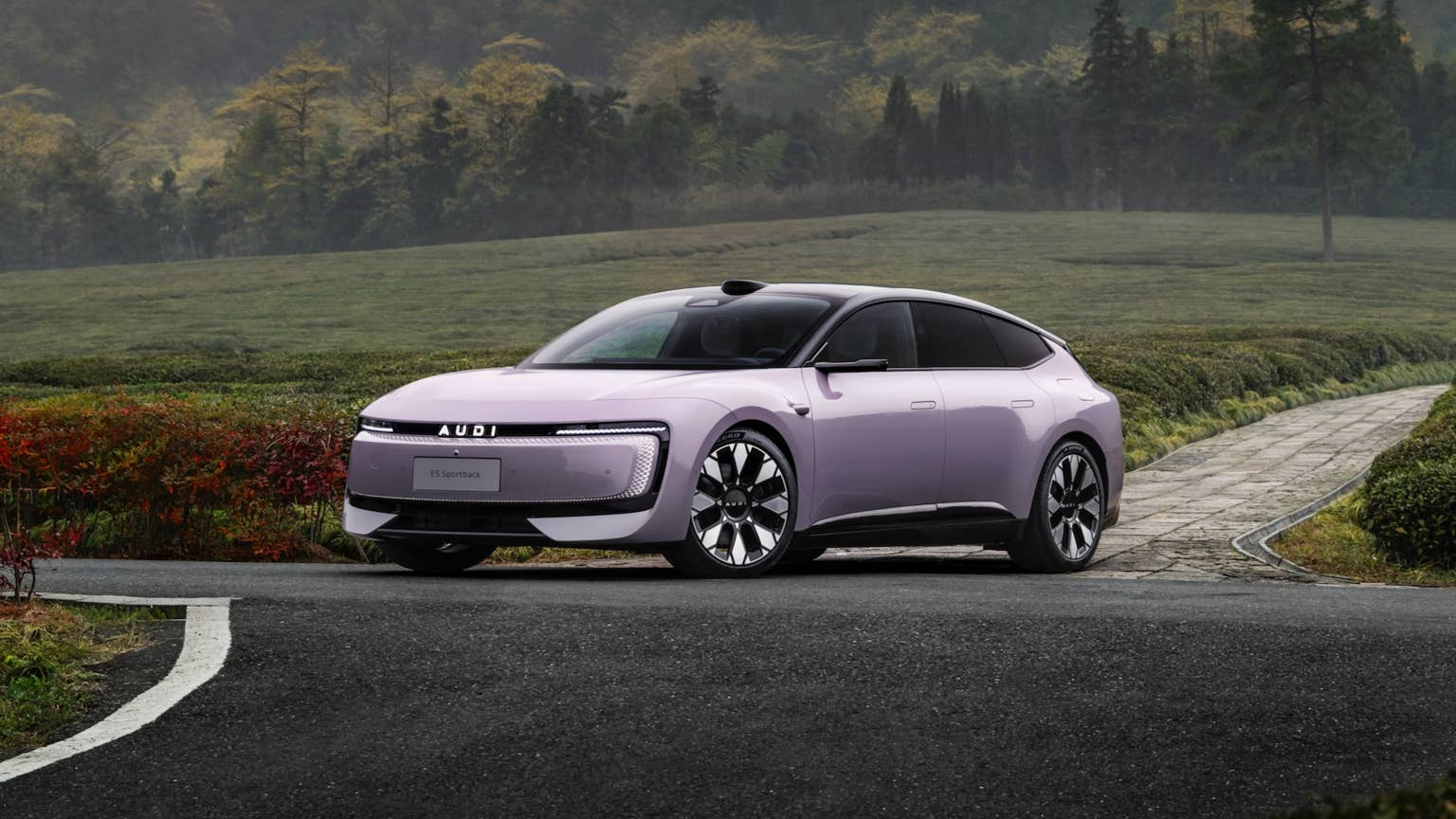
Two electric Audi models developed with SAIC Motor specifically for the Chinese market are now reaching Germany through grey-market parallel imports, despite never being officially planned for European release. Independent distributors are sourcing the Audi E5 Sportback and Audi E7X SUV from Chinese inventory, shipping them to Germany and securing the certifications needed for local road compliance.
Chinese-Market Audi EVs Reach Germany
The arrival of the E5 Sportback and E7X SUV through unofficial distribution channels highlights the differences between Audi’s regional product strategies. Both vehicles were developed specifically around Asian consumer preferences, giving German buyers access to electric models that are not offered through Audi’s official European showrooms.
Rather than relying on Audi’s authorized distribution network, grey-market dealers are purchasing the vehicles in China and bringing them into Germany independently.
Import Costs Push Prices Higher
According to a report from Autohome, moving the vehicles from China to Germany involves international freight, customs duties and required compliance modifications. Those costs roughly double the retail prices once the vehicles reach the German market.
The Audi E5 Sportback starts at roughly $28,800 in China but sells in Germany for approximately $65,200. The higher-tier E7X SUV rises from about $37,800 in China to around $79,300 on German lots.
Even with those markups, both imported models remain considerably less expensive than comparable Audi models sold through the domestic European lineup.
Imported Models Undercut Comparable Audi EVs
In Germany, the comparable S6 Sportback e-tron starts at roughly $108,200, while delivering lower performance metrics than the imported E5 Sportback.
The domestic SQ6 e-tron starts around $102,000 and offers fewer luxury appointments than the E7X SUV. The imported model therefore provides the posture of a high-output electric SUV for substantially less money.
The price differences highlight the cost gap between vehicles produced for the Chinese market and those manufactured for Audi’s European lineup. As Audi expands its China EV strategy around localized battery manufacturing and lower production costs, the imported models retain a distinct price advantage over vehicles manufactured directly on European assembly lines.
Grey-Market Imports Carry Risks for Buyers
For buyers, however, the lower prices come with legal and operational risks. Major automakers routinely act to protect authorized distribution channels, and the source points to a 2023 case in which Volkswagen secured a court order requiring the destruction of 20 parallel-imported Chinese ID.6 vehicles in Germany.
Beyond possible legal action, buyers of unauthorized imports will likely be denied official warranty coverage and software updates from factory-backed Audi service centers.
What the Imports Show
The ability to ship an electric vehicle from China to Germany, pay international freight and customs costs, complete required modifications and still sell it below the prices of comparable domestic models underscores the substantial cost differences between the two markets.
For German buyers, the Audi E5 Sportback and E7X SUV offer access to China-specific electric models at prices below comparable European Audi vehicles, but the parallel-import route also carries significant warranty, software and legal risks.