The new Mitsubishi Pajero is finally returning, with Mitsubishi set to unveil the fifth-generation SUV on September 2. The nameplate disappeared from production in 2021 after four generations and more than three decades on the trail, but its comeback will include one highly visible change: the iconic tailgate-mounted spare tire is gone.
2027 Mitsubishi Pajero: Everything We Know About the Legendary SUV’s Return
The Spare Tire Has Been Left Behind
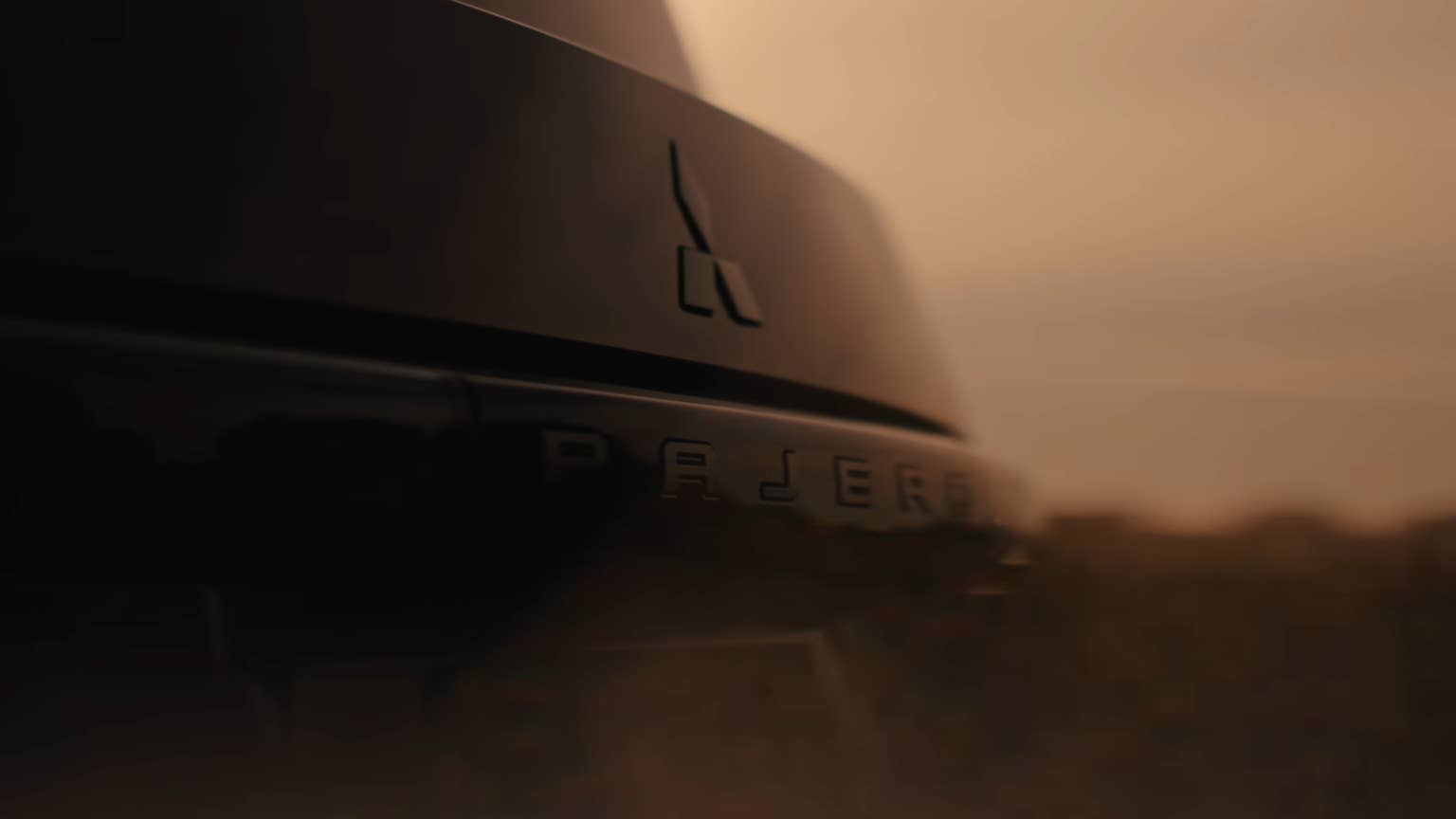
Few SUVs were as recognizable from the rear as the Mitsubishi Pajero, largely because of the spare tire mounted on its tailgate. Mitsubishi’s latest teaser offers its clearest look yet at the new model’s rear design, revealing an upright, muscular shape with flared bodywork and the Pajero name stamped across the tailgate.
The conspicuous omission is the rear-mounted spare tire.
The lack of a tailgate-mounted spare does not necessarily mean the new Pajero is less serious off-road. A cleaner underbody-mounted spare setup can improve rear visibility, reduce the amount of weight hanging behind the axle and make the SUV easier to live with every day.
Still, the change may take some getting used to. The Pajero is returning with a ladder frame, serious four-wheel-drive hardware and Dakar-inspired technology, yet the first thing longtime fans may notice is the feature Mitsubishi decided to leave behind.
The New Mitsubishi Pajero Gets Proper Off-Road Hardware
Mitsubishi has already confirmed that the new Pajero will use a ladder-frame chassis derived from the latest Triton pickup, marking a major philosophical shift from the outgoing model. It will also get Mitsubishi’s Super All-Wheel Control system.
Powertrain details remain largely under wraps, although the Triton’s 2.4-liter turbo-diesel is widely expected to feature. Hybrid power has also been reported, which would give Mitsubishi a way to make the new Pajero more palatable in markets where diesel is out of favor.
Inside, Mitsubishi is also reviving another old-school Pajero signature in a modern form. The famous triple-meter pod returns as a digital Multi Meter displaying information such as altitude, compass heading, temperature, pitch, roll and torque distribution.
Nostalgia, apparently, now comes with a screen.
The Pajero’s Comeback Story Includes the U.S.
The Pajero first arrived in 1982 and became one of Mitsubishi’s most important vehicles over four generations, with more than 3.25 million sold across over 170 countries. It also built a formidable reputation in the Dakar Rally, winning 12 times, including seven consecutive victories.
That combination made the Pajero a Japanese alternative to the Toyota Land Cruiser and, later, the Land Cruiser Prado. It was the sort of SUV people bought to cross continents, climb mountains or simply look like they could.
Its boxy shape and rear-mounted spare tire became central parts of that visual identity.
A More Serious Flagship for Mitsubishi
The new Pajero is being positioned as a much more serious flagship than Mitsubishi’s current Pajero Sport. It will arrive first in markets including Japan, Australia and New Zealand, with an Australian launch expected before the end of 2026.
A North American version is reportedly further away, with the Montero name expected to return Stateside around 2030. For now, Mitsubishi’s September 2 unveiling will mark the official return of one of the brand’s most recognizable SUV nameplates—this time with a notably different rear view.