Toyota RAV4 sales fell 19 percent year over year in August to 34,232 units, while the model’s 2026 year-to-date sales are down 32 percent from the same point in 2025. The decline has pushed the RAV4 to roughly eighth place on the overall 2026 sales charts, a major drop for a nameplate that has led America’s non-pickup segment for close to a decade.
RAV4 Supply Shortages Weigh on Sales
The sales decline is tied to the launch of the sixth-generation RAV4 and Toyota’s transition to a hybrid-and-PHEV-only lineup. The change required retooling plants across North America and Japan, and the transition lasted long enough for Toyota to acknowledge that the shortage will cost it nearly 55,000 US sales this year.
August’s 34,232-unit result was an improvement from February, when Toyota sold just 16,098 RAV4s. But supply remains tight, limiting the number of vehicles available to buyers.
That shortage has also reduced the need for Toyota to offer major discounts. According to Edmunds, RAV4s sold for an average of just $329 under sticker in the second quarter, a pricing pattern Autoblog has tracked since early in the launch.
Honda CR-V Sales Continue to Rise
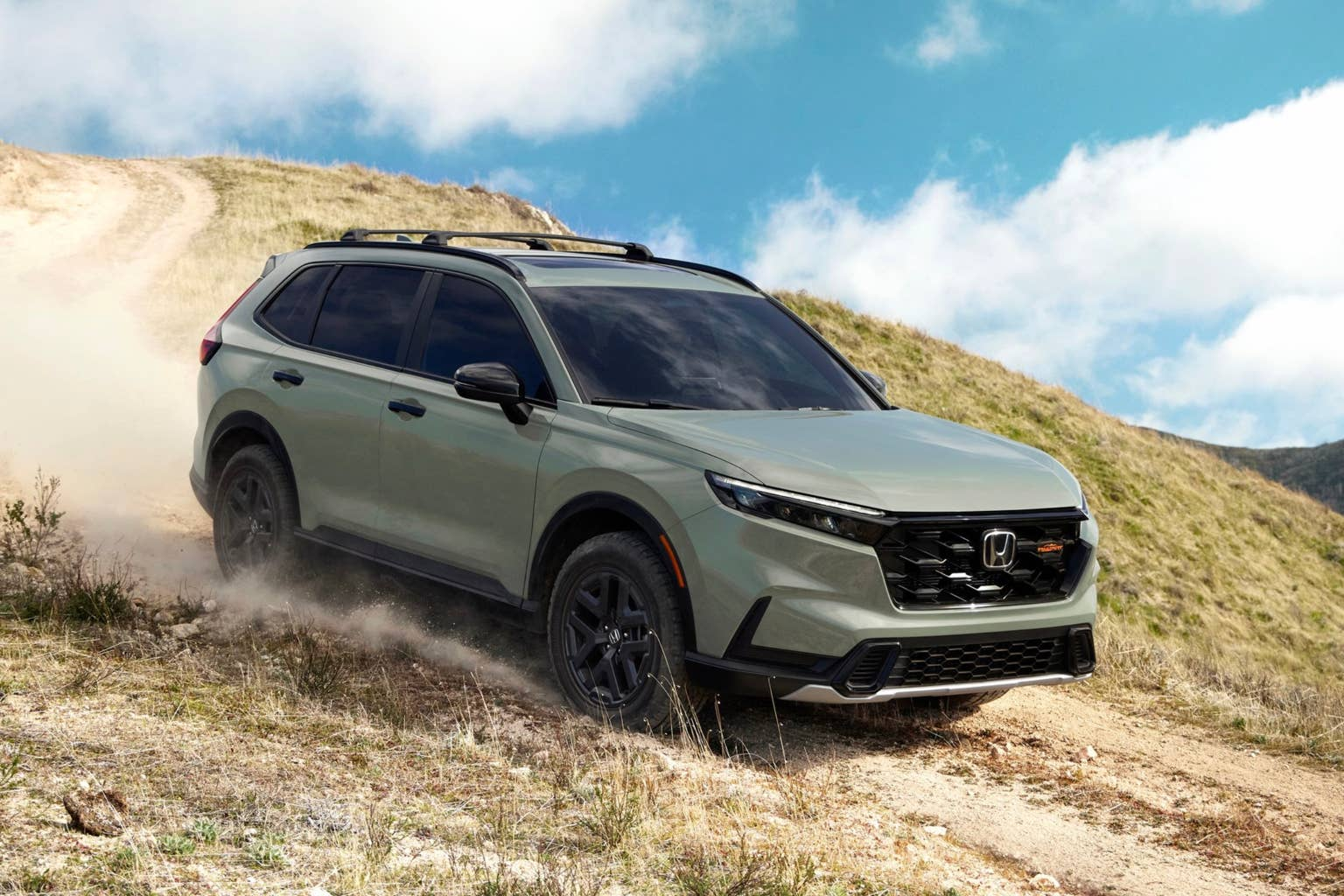
While Toyota has struggled with RAV4 supply, Honda’s CR-V has gained ground. August CR-V sales increased 10 percent year over year to 37,607 units, lifting its 2026 total to 302,056.
That represents an 8.3 percent increase for the year and puts the CR-V on pace for roughly 443,000 sales by December. CR-Vs also sold for $1,302 under sticker during the same quarter, giving Honda dealers more room to move vehicles while Toyota’s lots remained thin.
The result has pushed the RAV4 outside the top-selling non-pickup conversation for the first time in years. The shift has happened quickly, driven by Toyota’s supply constraints rather than a change that Honda needed to make to the CR-V.
CR-V vs. RAV4: What Could Happen in 2026
The last time the CR-V outsold the RAV4 over a full year was 2016. Whether that happens again in 2026 depends on how quickly Toyota’s Kentucky and Canadian plants can catch up with RAV4 demand.
For now, the sales gap highlights the impact Toyota’s production transition has had on the RAV4, while the CR-V continues to build on its 2026 sales gains.