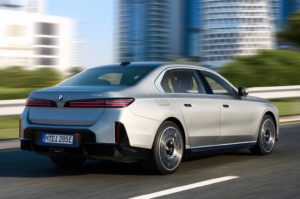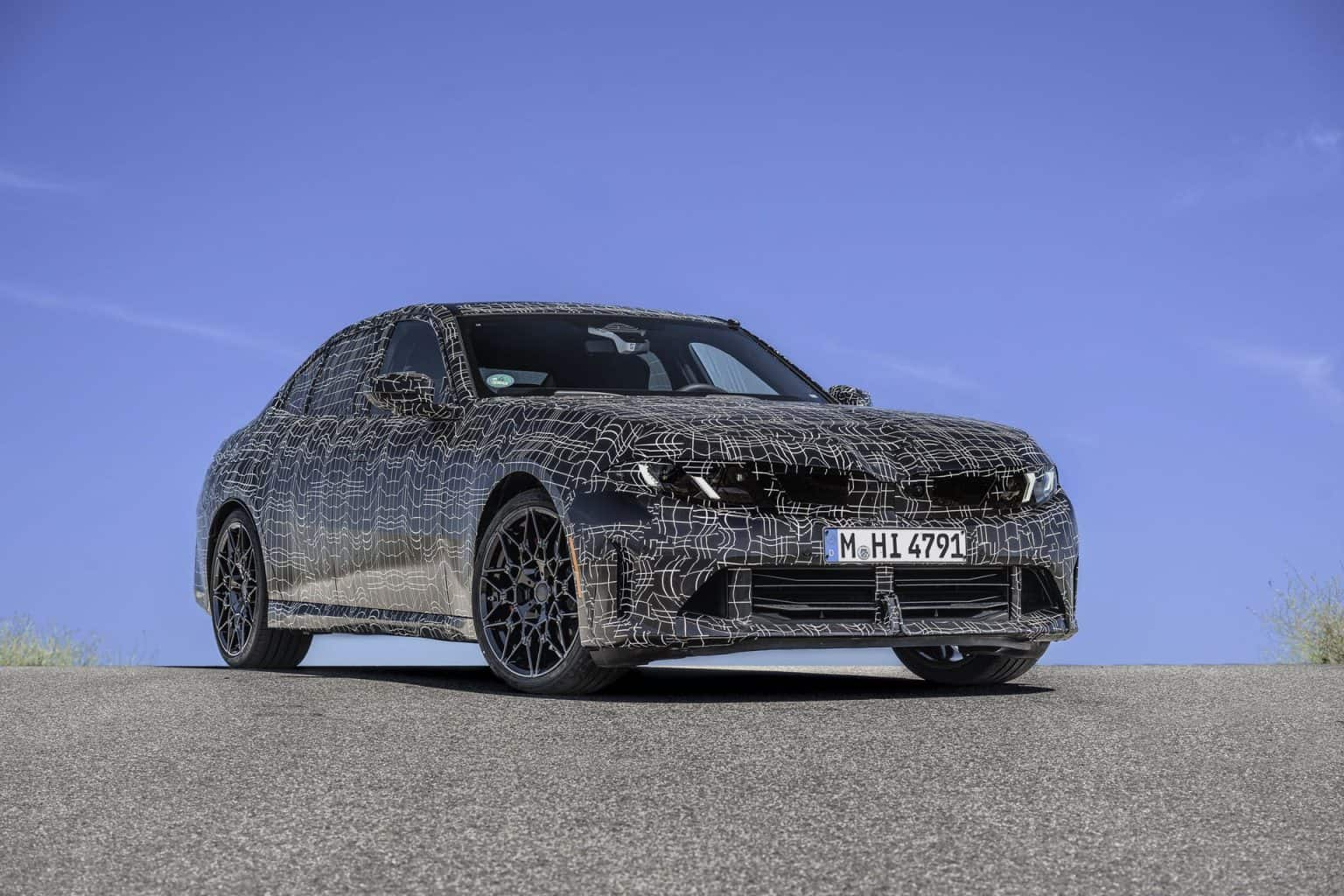
The BMW M340d is officially heading out of the 3 Series lineup, marking another step in the gradual retreat of diesel-powered M Performance models. BMW’s preview of the new 3 Series Sedan identifies the M350 xDrive as the only version with an inline-six engine, aside from the M3 (G84) expected later this decade.
BMW M340d Sedan and Touring Won’t Return
The M340d Sedan and Touring, which have primarily been offered in Europe, will not continue into another generation. BMW made a similar move with the X3 (G45), although the crossover still offers a six-cylinder diesel engine without M Performance branding.
The 3.0-liter B57 remains available in the X3 40d, making it an option for drivers who cover significant highway mileage. The 4 Series Coupe and Convertible also continue to be offered as 440d models in some markets.
Both 4 Series body styles are expected to remain in production until mid-2029, but it remains unclear whether their diesel M Performance versions will last until production ends. Stricter emissions regulations across Europe are putting continued pressure on diesel engines.
Diesel Engines Are Not Gone Yet
The end of the M340d does not mean BMW’s B57 diesel engine is disappearing. Beyond the X3, most of BMW’s larger vehicles can still be equipped with a 3.0-liter diesel engine, while the automaker also offers four-cylinder diesel engines in its compact models.
There has been no news that the B47 is being discontinued. Rumors suggest a detuned B57 could replace the B47 in the X3 20d, but BMW has not made that official.
Diesel models are likely to face the greatest pressure in smaller vehicles such as the 1 Series/X1 and 2 Series Gran Coupe/X2. BMW has not committed to a new diesel-powered 3 Series, but the B47 could continue for at least one more generation of the sports sedan.
Europe’s Diesel Market Has Shrunk Dramatically
Diesel is not disappearing overnight, but its decline has become increasingly difficult to overlook. Once the default choice for high-mileage drivers and a major part of the European car market, diesel has steadily lost ground to gasoline, hybrids and fully electric powertrains.
During its heyday in the mid-2010s, diesel held a market share of a little over 50% in Europe. Through the first half of 2026, however, diesel accounted for just 6.5% of new car sales registrations in Europe, according to data published by the European Automobile Manufacturers’ Association (ACEA).
Plug-in hybrids performed considerably better, accounting for 10.3% of total registrations across the 27 EU countries, the UK, Iceland, Liechtenstein, Norway and Switzerland.
Why Diesel Is Losing Ground
Stricter emissions regulations, increasingly expensive after-treatment systems and changing consumer preferences have made diesel-powered vehicles harder and more expensive for automakers to justify.
At the same time, hybrids have emerged as a more eco-friendly option and an increasingly efficient alternative for buyers who still want to avoid switching fully to electric vehicles.
The BMW M340d’s departure from the 3 Series reflects the broader challenges facing diesel-powered cars, even as BMW continues to offer diesel engines in several larger models and some compact vehicles.