
What Makes an SUV Senior-Friendly?
Quick summary (dotted highlights):
- Safety systems and high crash-test ratings — essential for peace of mind.
- Chair-height seating and wide doors — easier on knees and hips.
- Excellent outward visibility — reduces stress when changing lanes or parking.
- Physical buttons and intuitive menus — less distracting, easier to operate.
- Reliability and low maintenance — important for fixed budgets and long-term ownership.
Below is a compact table that puts the senior-friendly criteria into a quick reference format for buyers:
| Category | Key Features for Seniors | Why it Matters |
|---|---|---|
| Safety | High crash-test ratings, adaptive cruise control, AEB, lane-keeping | Extra layer of protection and assistance |
| Ease of Entry/Exit | Chair-height seats (21–27 in), wide doors, low step-in | Reduces joint strain and improves independence |
| Comfort | Supportive power seats, quiet ride, ample legroom | Less fatigue on long trips |
| Visibility | Large windows, thin pillars, 360° camera options | Makes parking and lane changes safer |
| User-Friendly Tech | Physical buttons/knobs, simple menus, voice control | Minimizes distraction |
| Reliability | High J.D. Power/Consumer Reports ratings | Lower maintenance and ownership cost |
The 5 Best SUVs for Seniors in 2026
The following five SUVs were selected because they balance the six core senior-friendly categories above: Honda CR-V, Subaru Forester, Toyota RAV4, Kia Sportage, and Hyundai Kona. Each model has clear strengths that suit older drivers.
1. Honda CR-V / CR-V Hybrid

The Honda CR-V has been a perennial leader among small SUVs. For 2026 it remains one of the 5 best SUVs for seniors because of its combination of ergonomics, safety, and proven reliability.
- Comfort & Accessibility: Chair-height seating and wide doors make entry and exit easy; roomy front seats with adjustable support reduce back and hip strain.
- Safety Suite: Standard Honda Sensing® — adaptive cruise control, automatic emergency braking (AEB), lane-keeping assist — delivers a useful assisting net for older drivers.
- User-Friendly Controls: Physical knobs for climate and volume plus a clear instrument cluster help drivers operate controls “eyes-free.”
- Hybrid Option: The CR-V Hybrid offers quieter operation and improved fuel economy, lowering running costs for retirees.
Pros & Cons
2. Subaru Forester

The Subaru Forester is famous for its panoramic visibility. For seniors who prioritize seeing clearly in all directions, the Forester’s design is especially forgiving.
- Exceptional Visibility: Large glass area and thin A-pillars create a “fishbowl” effect — excellent for shoulder or neck stiffness that limits head-turning.
- EyeSight Safety: Standard EyeSight suite includes adaptive cruise, pre-collision braking, and lane-centering — systems tuned to be intuitive and helpful.
- All-Wheel Drive: Symmetrical AWD is standard, giving stability in wet or snowy conditions and building driver confidence during winter months.
- Practicality: Flat cargo floor and roomy door openings make storing mobility aids (walkers, cane) easier.
Pros & Cons
3. Toyota RAV4 / RAV4 Hybrid
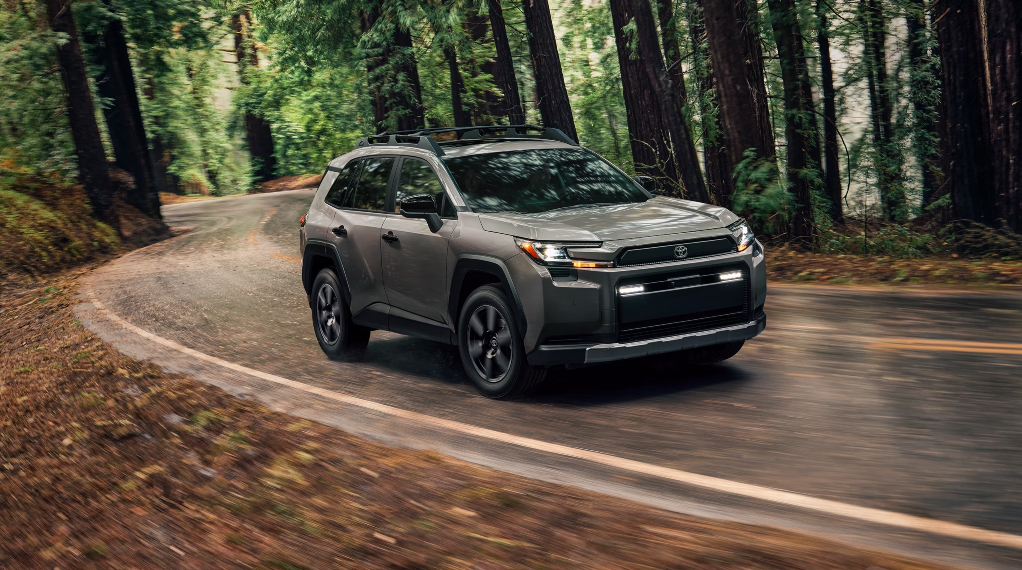
Toyota’s RAV4 has a long-standing reputation for reliability and low ownership cost — critical factors for seniors on fixed budgets or who prioritize long-term value.
- Durability: Historically strong reliability and resale value reduces worry about repairs and depreciation.
- Toyota Safety Sense: Includes features such as adaptive cruise control and pedestrian detection, useful for suburban and highway driving.
- Seating & Entry: Good height for comfortable ingress/egress; seats offer firm support for long drives.
- Hybrid Option: The RAV4 Hybrid combines quiet power delivery with improved economy — fewer gas stops and a smoother drive.
Pros & Cons
4. Kia Sportage / Sportage Hybrid
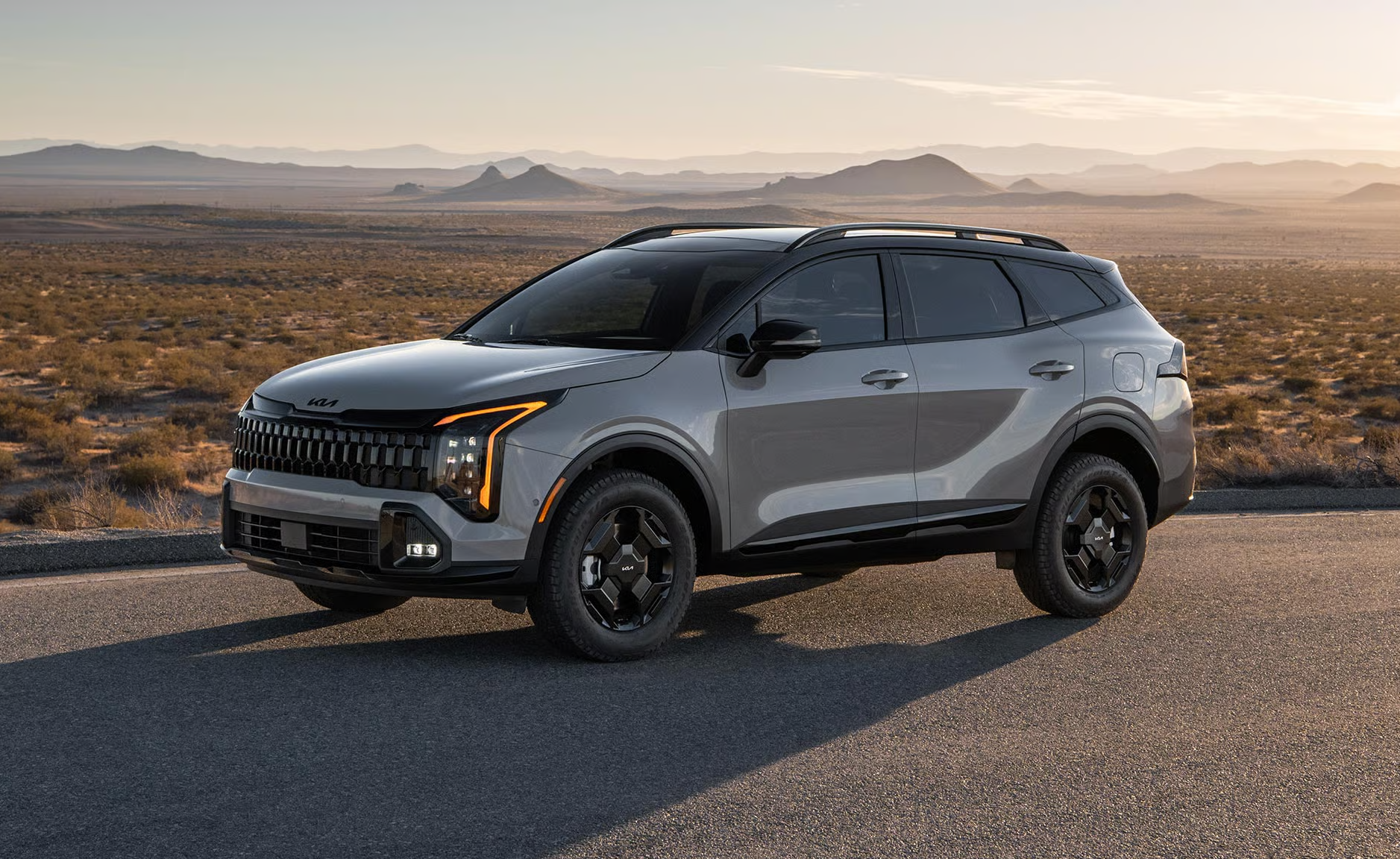
Kia has pushed value and comfort forward with recent Sportage redesigns. For seniors who want an upscale feel at a mid-range price, Sportage is a standout.
- Comfortable Cabin: Smooth ride quality and plush seats reduce fatigue and make daily driving pleasant.
- Technology: Higher trims include large dual displays and robust driver aids; lower trims keep controls straightforward.
- Value: More features for the price and typically a strong warranty — which matters to budget-focused buyers.
- Hybrid Available: Hybrid models provide quieter, more efficient driving for retirees who drive frequently.
Pros & Cons
5. Hyundai Kona
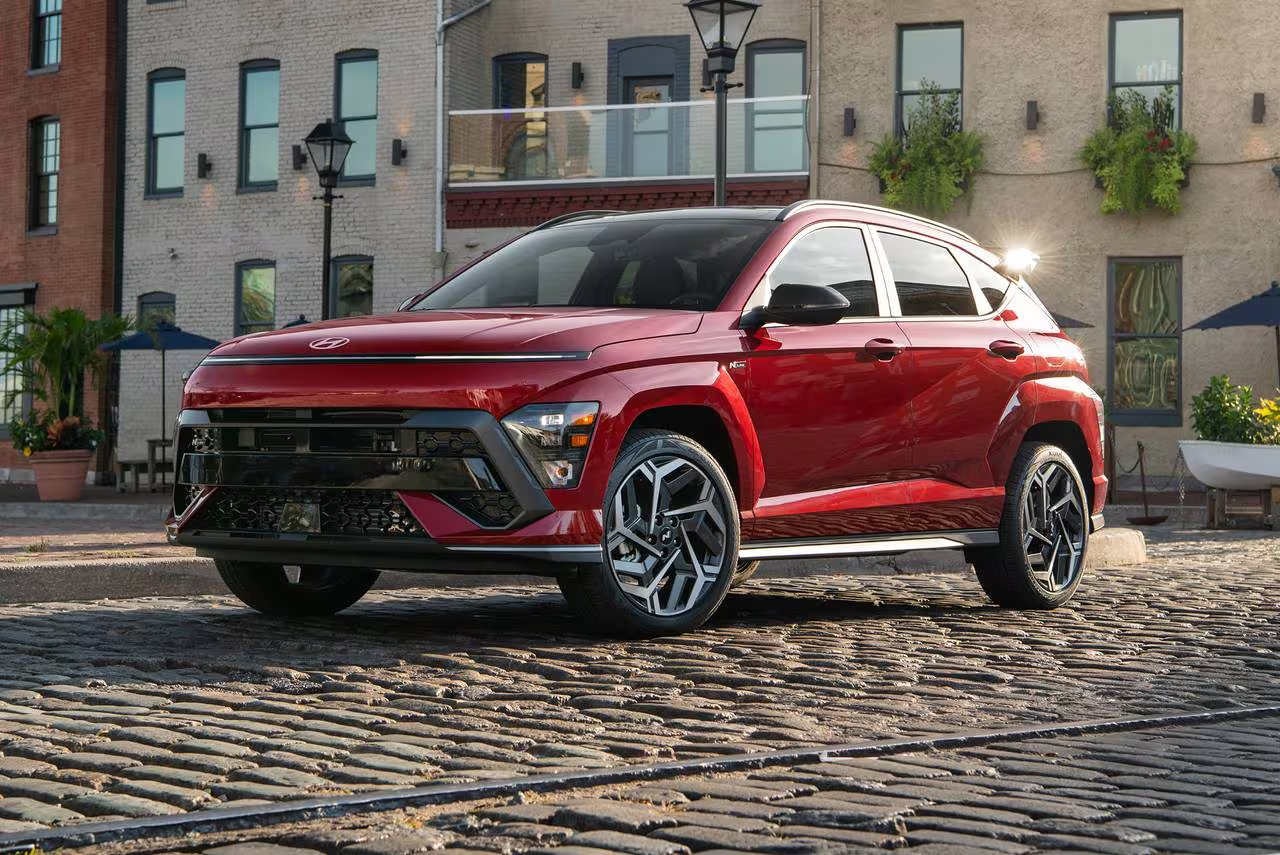
For seniors who want a smaller, easily maneuverable vehicle with SUV-like seat height, the Hyundai Kona offers an excellent balance of compactness and comfort.
- Easy Parking: Smaller footprint makes parking and tight-city maneuvers straightforward.
- Intuitive Controls: Many trims retain physical buttons and a simple infotainment layout.
- Comfort Height: Higher than a sedan for visibility yet lower than larger SUVs for easier entry and exit.
- Affordability: Offers core safety features at a friendly price — a good option for budget-conscious seniors.
Pros & Cons
Essential Features Seniors Should Prioritize
When comparing the 5 Best SUVs for Seniors, make sure to look for the following features — they directly affect day-to-day comfort and safety:
Adaptive Cruise Control (ACC)
Maintains set distance to the car ahead and reduces constant pedal work during highways and long trips.
Blind-Spot Monitoring & Rear Cross Traffic Alert
Assists with lane changes and backing out of parking spots — invaluable when neck mobility is limited.
360° Camera Systems
Make parking and close-quarters maneuvers easier and safer, reducing low-speed fender-benders.
Physical Buttons and Knobs
Allow “eyes-free” operation of climate and audio, reducing distraction compared to touch-only controls.
Practical Tips for Seniors Buying a 2026 SUV
- The “Test Drive Test”: Don’t just drive—get in and out multiple times, load mobility aids into the cargo area, and check seat adjustments thoroughly.
- Test the Tech: Pair your smartphone, enter a destination in navigation, tune the radio, and test voice controls to ensure the infotainment is intuitive.
- Budget for Safety: Consider stepping up to a trim that includes the full safety suite (360° camera, blind-spot monitoring, parking sensors).
- Measure the Door Openings: Bring any mobility devices you use (walker, cane) to ensure they fit easily when stowed.
- Consider Smaller Crossovers: Smaller SUVs often provide the best mix of chair-height seating and maneuverability (e.g., Kona, CR-V).
- Check Warranty & Service: A compelling warranty (like Kia/Hyundai offers) can lower long-term ownership costs and stress.
Side-by-Side Comparison: Quick Specs & Senior-Friendly Highlights
| Model | Senior-Friendly Strength | Typical Trim to Consider | Hybrid Option |
|---|---|---|---|
| Honda CR-V | Comfort, reliability, Honda Sensing | EX-L / Touring | Yes (CR-V Hybrid) |
| Subaru Forester | Visibility, standard AWD, EyeSight | Premium / Limited | No (mild-hybrid options vary) |
| Toyota RAV4 | Reliability, resale, Toyota Safety Sense | XLE / Limited | Yes (RAV4 Hybrid) |
| Kia Sportage | Value, interior tech, smooth ride | LX / EX / SX | Yes (Sportage Hybrid) |
| Hyundai Kona | Maneuverability, affordability, simple controls | SEL / Limited | Yes (Kona Hybrid / Electric variants) |
FAQ — Frequently Asked Questions
- Q1. What is the best SUV for seniors in 2026?
- A. While “best” depends on individual needs, the Honda CR-V and Subaru Forester are consistently top picks due to practicality, safety features, and visibility.
- Q2. Are smaller SUVs better for senior drivers?
- A. Yes. Compact and subcompact SUVs often hit the sweet spot: a higher seating position than sedans for visibility, but not so high that ingress/egress becomes difficult.
- Q3. Should seniors choose a hybrid SUV?
- A. Hybrids like the CR-V Hybrid and RAV4 Hybrid are excellent for quiet running and fuel savings — beneficial for retirees who want lower running costs and smoother operation.
- Q4. Which SUV offers the best outward visibility?
- A. The Subaru Forester has an outstanding reputation for outward visibility thanks to its tall greenhouse and thin A-pillars.
- Q5. How important is physical control layout?
- A. Very important. Physical knobs and clearly labeled buttons are easier to use without taking eyes off the road, which reduces cognitive load and distraction for older drivers.
Final Thoughts
The 5 Best SUVs for Seniors in 2026 — Honda CR-V, Subaru Forester, Toyota RAV4, Kia Sportage, and Hyundai Kona — address the most important priorities for older drivers: safety, accessibility, comfort, visibility, and user-friendly controls. When shopping, prioritize an in-person test that focuses on entering/exiting, seating comfort, and the clarity of the vehicle’s tech and safety features.