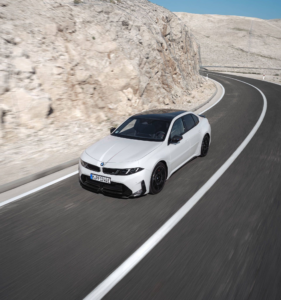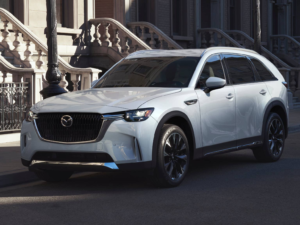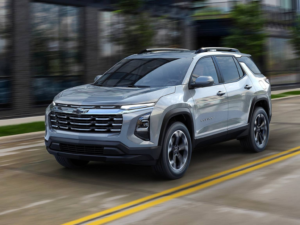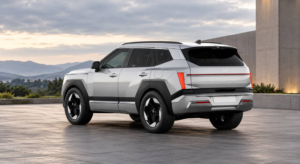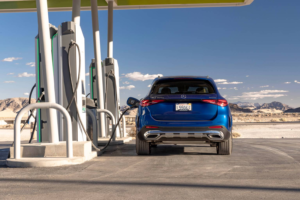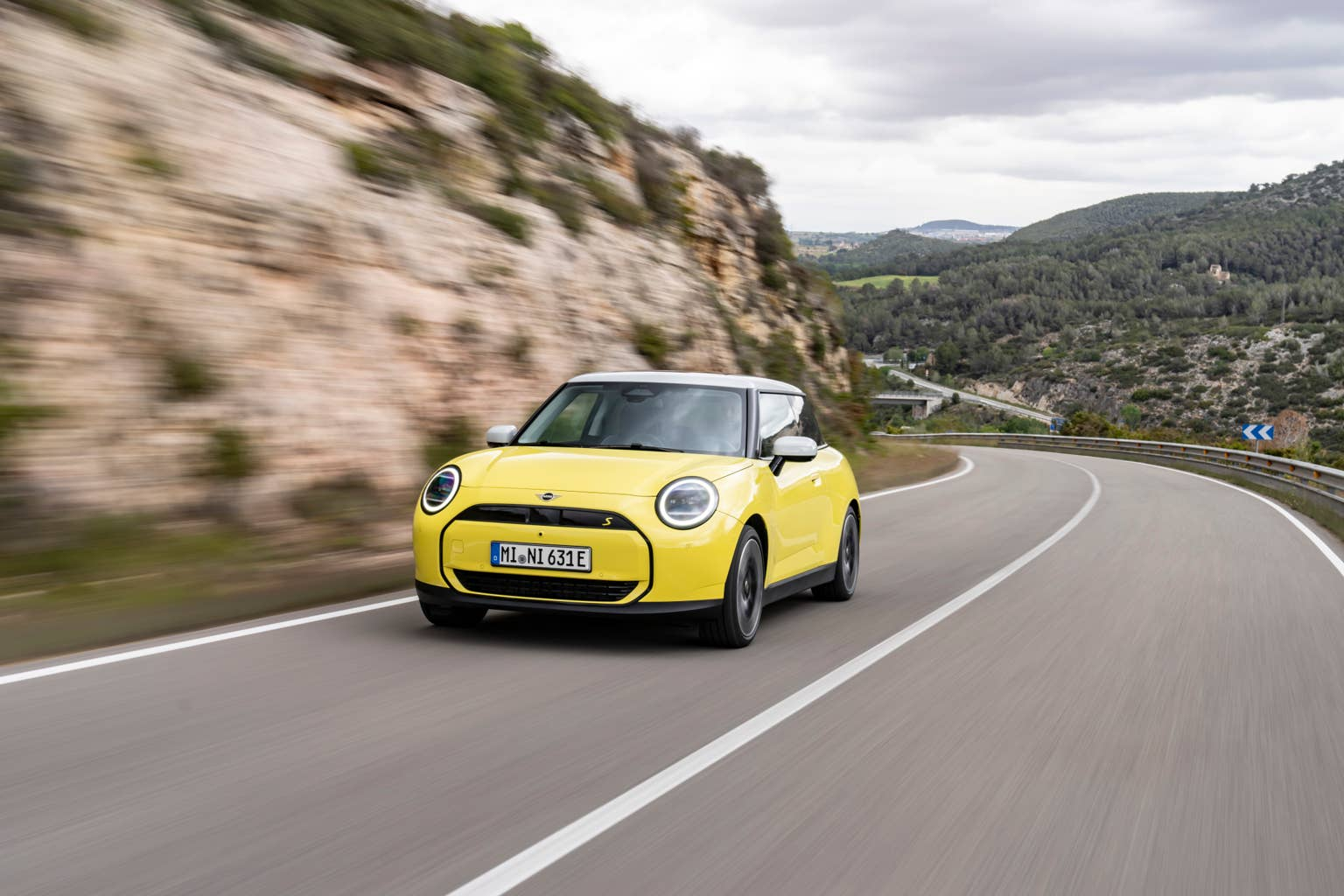
A large real-world study of electric vehicle batteries is challenging the idea that Tesla batteries automatically outlast those of competing EVs. At 150,000 kilometers, the Mercedes EQA recorded the strongest median state of health, while Tesla’s Model Y and Model 3 ranked considerably lower.
Mercedes EQA Leads Battery Health Study
The study measured each model’s median state of health (SoH), defined as the share of a battery’s original usable capacity that remains. Measurements were taken at 50,000, 100,000 and 150,000 km using AVILOO’s OBD-based FLASH Test rather than readings from each vehicle’s own battery management system.
At 150,000 km, or roughly 93,000 miles, the Mercedes EQA had the highest median SoH at 94 percent. It was followed by the Hyundai IONIQ 5 at 93.8 percent and the BMW i4 at 93.6 percent.
The Hyundai Kona EV and Volvo XC40 Recharge completed the top five, with both retaining more than 92.7 percent SoH.
Tesla Models Rank Lower in the Larger Dataset
Tesla has built a strong reputation around battery longevity, while an earlier and smaller study from Sweden placed the Model Y third overall. The larger dataset produced a different result.
At 150,000 km, the Tesla Model Y recorded 90.3 percent SoH, while the Model 3 registered 88.9 percent. That made the Model 3 the second-worst result among models with comparably sized battery packs, ahead of only the small-pack Nissan Leaf, MINI Cooper SE and Renault Zoe.
AVILOO’s researchers noted that the difference is not catastrophic in absolute terms. However, the findings challenge the assumption that Tesla batteries automatically outlast those from other manufacturers.
Smaller Batteries Show Faster Degradation
The models at the bottom of AVILOO’s list share a notable characteristic: smaller battery packs. A 40-kWh battery needs to go through more charging cycles to cover the same distance as a 78-kWh battery, and the additional cycles are associated with measurably faster degradation.
The MINI Cooper SE recorded the sharpest decline in the study, losing seven full points of SoH between 50,000 and 150,000 km.
AVILOO also identified significant differences between individual vehicles of the same model. The gap between the best and worst examples reached as much as 13.5 percent.
That means two Hyundai IONIQ 5 EVs sitting on the same lot can have meaningfully different real-world range, while nothing on the dashboard reliably indicates which vehicle has the healthier battery.
Most EV Batteries Retain Significant Capacity
The findings do not amount to an alarm bell about EV battery durability. Even the worst-performing model in the study retained more than 86 percent of its original capacity after 150,000 km.
Real-world examples of EVs exceeding 300,000 miles on largely original battery packs also continue to surface regardless of brand.
What the larger dataset changes is the confidence behind the idea of buying a Tesla specifically for battery longevity. The study suggests that claim warrants greater scrutiny rather than being treated as a universal fact.