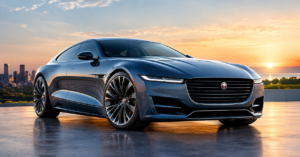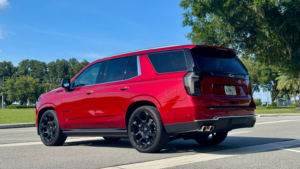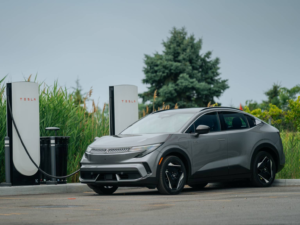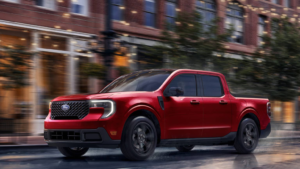

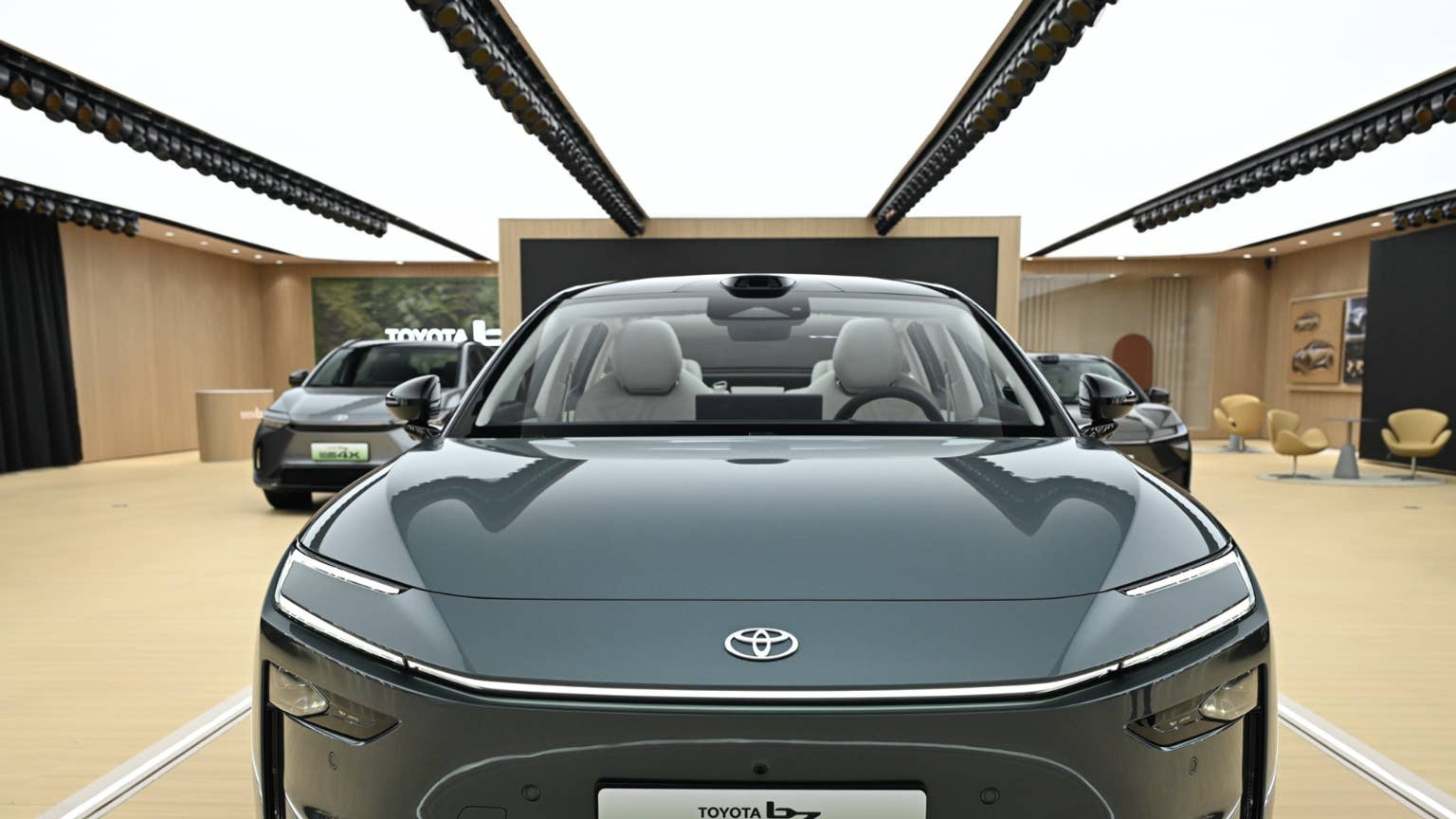
Toyota is preparing to enter the extended-range electric vehicle market, with production of its first EREVs reportedly scheduled to begin in April 2027. The Japanese automaker is expected to build the vehicles in China, although their initial availability will be limited by region.
Toyota Targets EREV Production in China
Despite being a global automotive leader, Toyota moved cautiously during the electric vehicle boom as other automakers made major investments in new EV strategies. Its U.S. lineup now includes pure gas vehicles, conventional hybrids, plug-in hybrids and battery electric vehicles, along with the hydrogen-powered Mirai.
One vehicle type has been missing from Toyota’s production lineup: the extended-range electric vehicle, or EREV. According to CnEVPost, citing Nikkei Asia, Toyota is now working to fill that gap.
The report says Toyota will build its EREV models in China, with production targeted at about 200,000 units in 2027 before increasing to 400,000 units in 2028.
China Could Become Toyota’s EREV Test Market
Toyota’s 2027 target would average about 22,000 vehicles per month from April through December. While that figure is relatively modest compared with Toyota’s global scale, it would still represent a sizable push into China’s EREV market.
According to China Passenger Car Association (CPCA) data, about 616,000 EREVs were sold during the first eight months of this year, representing a 15.85% year-over-year decline. By comparison, all-electric cars recorded 698,000 retail sales in August 2026 alone.
Toyota could use the Chinese market to develop its EREV models at scale. Nissan is also competing in the segment through its Dongfeng Nissan joint venture with the NX8.
An investment in EREVs would also give Toyota another option beyond battery-electric vehicles as competition intensifies in China’s EV market. Local automakers have driven repeated price cuts through intense competition.
How EREVs Differ From Plug-In Hybrids
EREVs currently have only a limited presence in the U.S., although Stellantis is preparing to expand into the segment with models including the Jeep Grand Wagoneer and Ram 1500 REV.
The EREV powertrain shares similarities with plug-in hybrid electric vehicles. However, electric motors drive the wheels in an EREV, while the combustion engine primarily serves as a generator.
Toyota’s Broader Multi-Pathway Strategy
If Toyota succeeds with EREVs in China, the country could become a testing ground for the vehicle type at scale. The technology could eventually become part of Toyota’s broader global multi-pathway strategy, giving the automaker more flexibility based on the needs of individual markets.
That flexibility could help Toyota respond to sudden market shifts. The risks of changing EV market conditions were highlighted by Stellantis taking a $26 billion hit from EV-related write-downs last year.